
Request an appointment
Reserve your spot with our team in just minutes.
Other Knee Treatments
Stem Cell Treatment for Knees in London
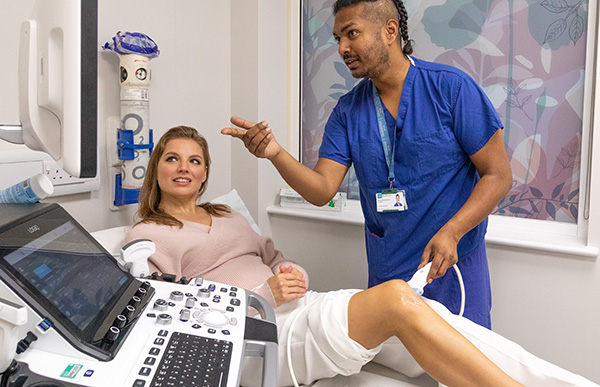
Dr Arj Imbuldeniya offers bone marrow aspirate concentrate, BMAC, the treatment most people mean when they search for stem cells for knee arthritis. It is performed as a day-case procedure, delivered into the joint and, where appropriate, into the bone beneath it, and it is only ever offered after proper assessment, as one step in a properly sequenced plan.
The honest answer about stem cells
Let me say the uncomfortable part first. Nothing currently available regrows cartilage, and nothing sold as a stem cell treatment is a cure for arthritis. If a clinic promises you either, walk away. What an honest biologic treatment can do is change the environment inside a struggling joint: calm the inflammation, support the bone beneath the surface, and reduce pain enough for the things that genuinely protect a knee, strength, load management and weight, to do their work. That is worth having. It is not magic, and you deserve to know the difference before you spend a penny.
What is BMAC (bone marrow aspirate concentrate)?
BMAC starts with your own bone marrow, taken from the pelvis during a day-case procedure. The marrow is concentrated in a centrifuge so that the cells and signalling factors it contains are delivered at far higher concentration than the body could manage alone, and then returned to your knee. It can be placed into the joint itself, and in selected patients into the bone directly beneath the worn surface, the intraosseous technique, where much of the pain of arthritis actually lives. Because it is your own tissue, prepared and returned in a single procedure, there is nothing artificial and nothing donated.
What can BMAC actually achieve?
In the right knee, BMAC can reduce pain, settle the irritable, inflamed feeling that stops people sleeping, and improve day-to-day function. For some patients it buys years of comfortable activity; for others it is the bridge that makes proper rehabilitation possible. What it cannot do is rebuild what has worn away, and I will never present it as though it can. Two patients with identical scans will get different advice from me, because the right plan depends on the person: your weight, your strength, your sleep, your work and the life your knee has to carry.
At a Glance
Who is BMAC right for?
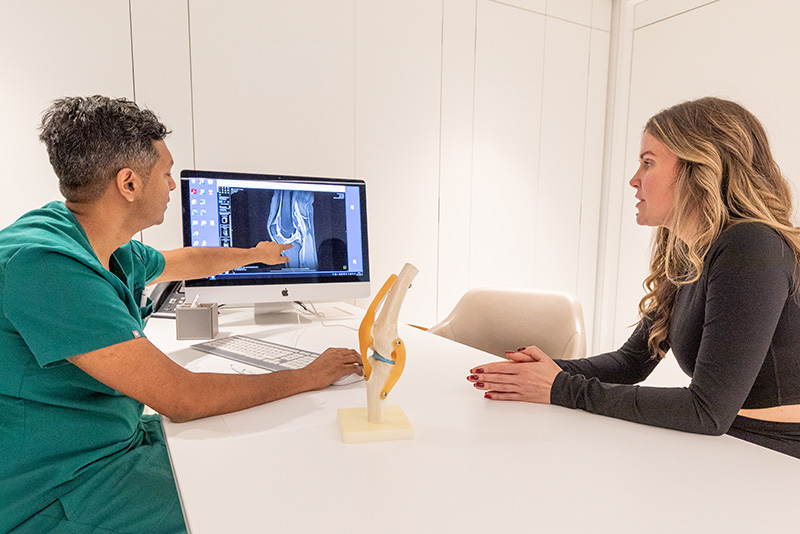
BMAC earns its place in a specific group: patients with genuine arthritis or bone-related knee pain who have already built the foundations, or are building them, and whose joint is not yet at the stage where replacement is clearly the better answer. It is not a first resort. In my practice nothing is injected until the knee has been properly assessed and the fundamentals of the plan are in place, because an injection into an unprepared joint is money spent on a shortcut that does not exist.
How the BMAC procedure works
The procedure is done as a day case. Marrow is drawn from the pelvis with you comfortable under appropriate anaesthesia, concentrated while you wait, and delivered with image guidance into the joint and, where indicated, the bone beneath it. You walk out the same day with a clear plan for the weeks that follow, because what you do after the injection matters as much as the injection itself.
BMAC, PRP or Arthrosamid: which one, and when
These three do different jobs. High-dose PRP concentrates platelets from your blood and suits earlier biological trouble. Arthrosamid is a cushioning gel for the arthritic joint that needs lasting symptom control. BMAC reaches deeper, into the biology of the bone itself, for the right arthritic knee. The order matters more than the menu, and choosing the right tool at the right time is precisely what you are paying a specialist opinion for. We do not try everything at once and hope something works.
When surgery is the better answer
Some knees are past the point where any injection is honest medicine, and pretending otherwise fails you in the opposite direction. When a knee needs resurfacing or replacement, I say so plainly, and I am the surgeon who does it. Most of my patients never need that conversation. The ones who do deserve it early, not after a year of expensive injections that were never going to work.
Start with your knee's biological age
If you are unsure where your knee sits on this spectrum, here is the practical place to start. The Knee Age quiz takes sixty seconds, scores the factors that drive knee ageing, and tells you your knee's biological age against the age on your passport. It costs nothing, and it turns a vague worry into something you can act on.
Frequently Asked Questions
They can reduce pain and improve function in the right knee, but they do not regrow cartilage and they are not a cure. I use bone marrow aspirate concentrate, BMAC, in carefully selected patients as one part of a properly sequenced plan, never as a standalone miracle.
BMAC is the honest name for what most UK clinics mean by stem cell treatment: your own bone marrow, concentrated and returned to the knee. It contains a mix of cells and signalling factors, and describing it as bone marrow concentrate rather than a stem cell cure is part of being straight with you.
It is done as a day-case procedure with appropriate anaesthesia, and the marrow is taken from the pelvis. Most patients are surprised how manageable it is, and you go home the same day.
PRP concentrates platelets from your blood; BMAC concentrates cells and signalling factors from your bone marrow, and can be delivered both into the joint and into the bone beneath it. Which one suits you, if either, depends on your knee, your imaging and your goals.
Book a consultation. Bring your imaging if you have it. I will examine the knee, be straight about what BMAC can and cannot achieve for you, and if it is not the right tool I will tell you so. Call 0207 859 4016 or email admin@ortholongevity.co.uk.
Why Choose OrthoLongevity?
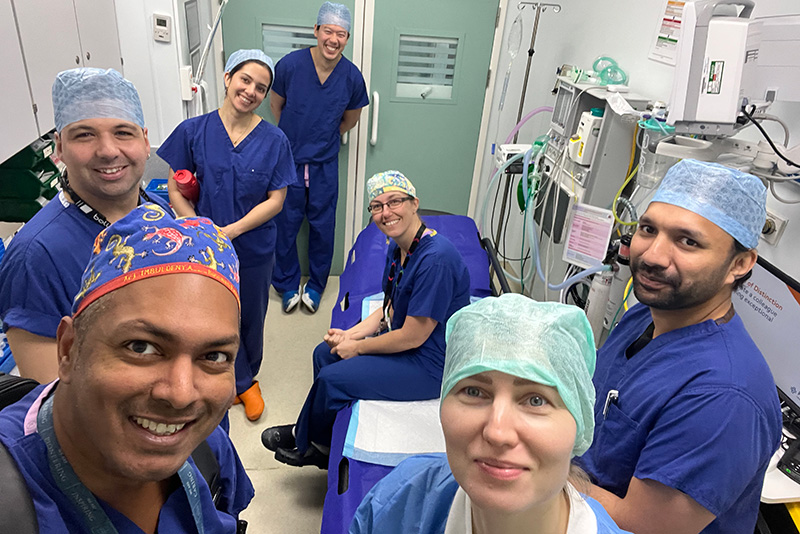
At OrthoLongevity, we deliver care built on innovation, compassion and clinical excellence. Led by Dr Arj Imbuldeniya, our clinic uses advanced therapies within our holistic Ortholongevity™ approach to help patients regain mobility and improve their quality of life. With access to the latest technologies and a dedicated, compassionate team, we focus on finding the right treatment for every individual.
Patient Reviews
What Our Patients Say
Verified Doctify reviews from patients treated by Dr Arj Imbuldeniya at OrthoLongevity.