
Running Knee Pain Treatment in London

Understanding Running Knee Pain

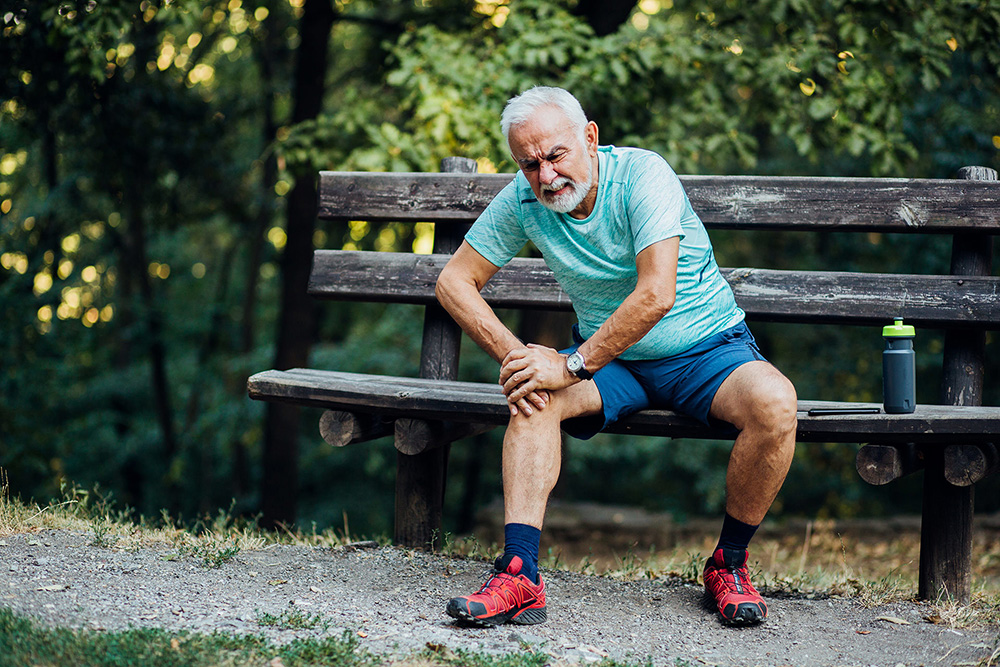
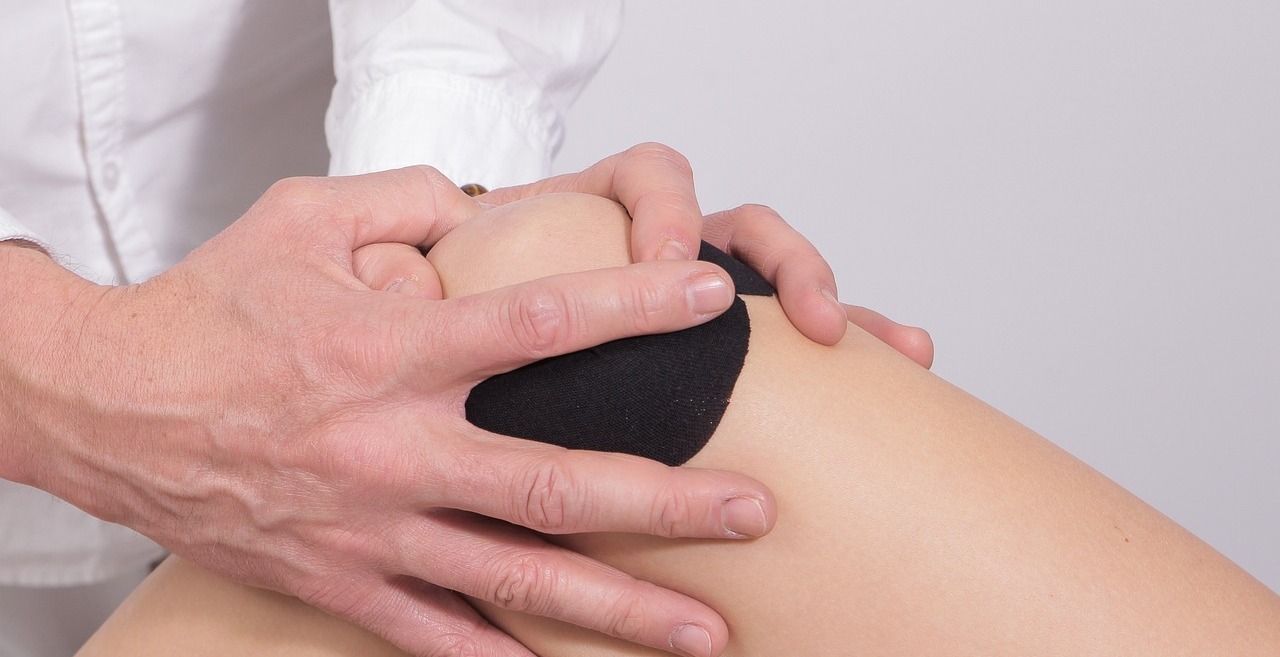
Running knee pain is a common issue affecting athletes, particularly runners training to increase their running distance or improve their running time. Whether caused by repetitive strain, improper technique, or underlying conditions, this pain can significantly impact performance and daily life. Key conditions like runner’s knee, patellofemoral pain syndrome (PFPS) superolateral Hoffa’s fat pad impingement, chondromalacia patella, and iliotibial band (IT band) syndrome are frequent culprits. By addressing these issues with tailored running knee pain treatment, runners can return safely to the activity they love. 

Recognising the Signs

Symptoms of Running Knee Pain

The symptoms of running-related knee pain often vary depending on the underlying condition. Common signs include:

  • Pain around or behind the kneecap (patella)
  • Swelling and inflammation in the knee joint
  • A grinding or clicking sensation during movement
  • Tenderness along the iliotibial band on the outer aspect of your knee
  • Difficulty with activities like squats, kneeling, or climbing stairs
  • Persistent discomfort, particularly after long runs.

If you’re experiencing these symptoms, seeking early treatment is essential to prevent complications like chondromalacia patella or patellar tendonitis.

Common Causes and Injuries

Running knee pain often arises from a combination of factors, including overuse, poor technique, or inadequate recovery. Common knee injuries and causes include: 

  • Runner’s knee (PFPS) Caused by improper alignment or tracking of the kneecap cartilage
  • Iliotibial band syndrome Inflammation of the band running along the outer thigh
  • Chondromalacia patella Softening or damage to the articular cartilage behind the kneecap
  • Hernia: Often due to sudden twists or impacts
  • Patellar tendinopathy Strain on the tendon connecting the kneecap to the shinbone causing it to swell or hurt
  • Muscle weakness Imbalances in the thigh muscles, hamstrings, gluteal muscles, calf muscles or foot support muscles.

Diagnosis and Treatment Options

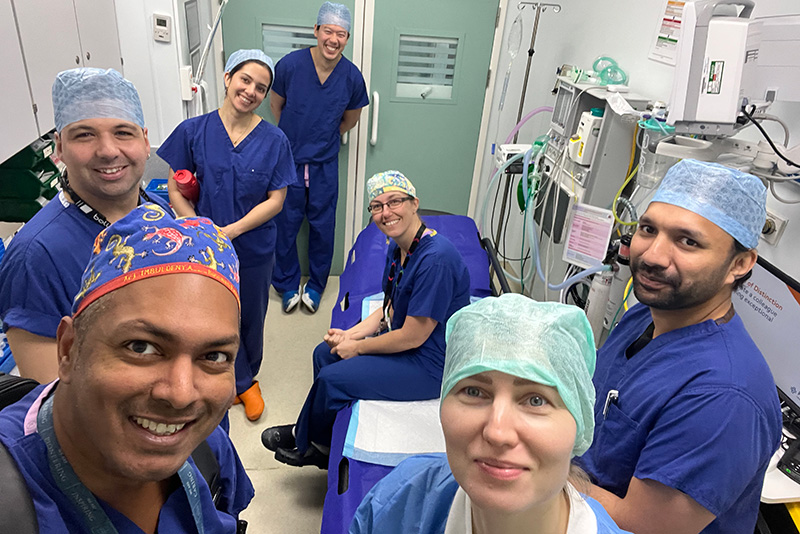
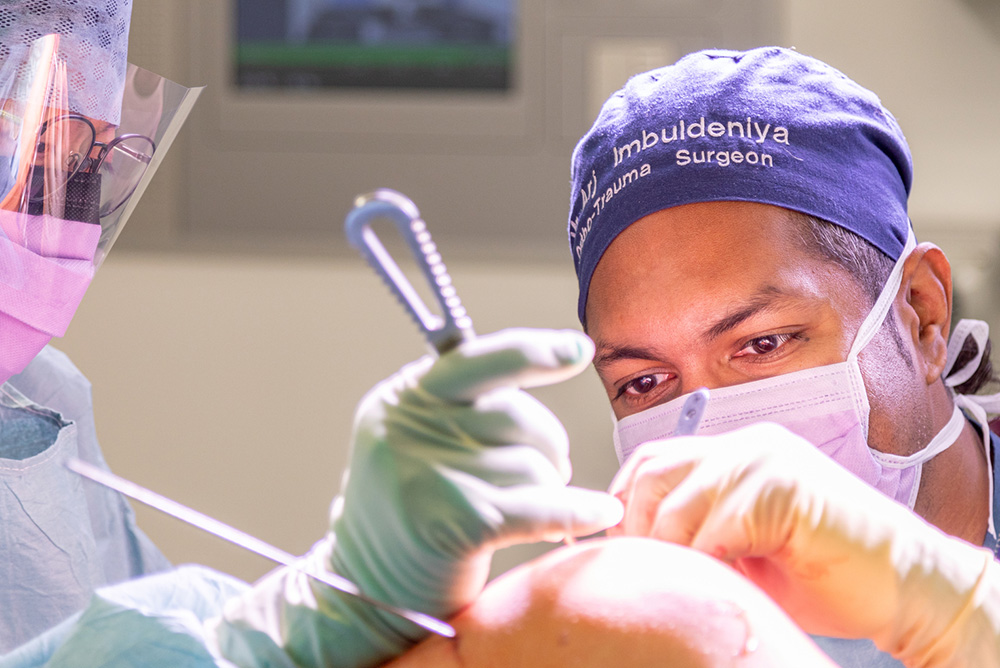
An accurate diagnosis is vital to creating an effective treatment plan for running knee pain. Dr Imbuldeniya and his multidisciplinary team of specialists at The West London Knee & Hip Clinic use advanced assessments to identify the root cause of your pain, including knee stress tests, imaging, and physical evaluations. 

Nonsurgical Treatments

We focus on conservative, natural and nonsurgical treatments wherever possible to help you recover without invasive procedures. These include: 

  • Rest and Activity Modification Reducing high-impact activities like running allows the knee joint to heal.
  • Physiotherapy Tailored physiotherapy strengthens thigh muscles, corrects poor knee tracking, and improves flexibility in tight hamstrings and the iliotibial band.
  • Dietary modifications Including advice on what to eat, ant-inflammatory foods, helpful vitamins, minerals and other supplements that help knee pain.
  • Orthotics and Support Custom orthotics and knee braces can alleviate knee stress and support alignment during activity.
  • Pain Management Over-the-counter medications such as ibuprofen and other NSAIDs help reduce pain and inflammation.

Exercises for Recovery

Targeted exercises will help strengthen the knee and surrounding structures. Examples include: 

  • Squats To improve thigh muscles and knee stability
  • Hamstring and calf stretches To relieve tightness and prevent further injury
  • Heel raises To strengthen the foot and lower leg muscles
  • Patellar glide and tracking exercises To correct kneecap alignment.

Our physiotherapists will guide you through a program suited to your condition, including advanced techniques for patellar maltracking or cartilage damage. 

When Surgery Is Necessary

Our physiotherapists will guide you through a program suited to your condition, including advanced techniques for patellar maltracking or cartilage damage. 

Prevention Tips for Runners

Prevention Tips for Runners 
Preventing knee pain begins with a proactive approach to training and recovery: 

  • Use proper running shoes with adequate support.
  • Gradually increase activity levels to avoid overuse injuries.
  • Incorporate cross-training and low-impact activities like swimming or cycling.
  • Practice regular stretching and strengthening exercises for the knee joint and thighbone.
Patient stories

Real Recovery Stories

Feedback from patients treated for running-related knee pain at The West London Knee & Hip Clinic.

Sue Walker

Vanesa Malpica

Questions About Appointments

Have questions about scheduling or what to expect? Here are answers to common enquiries to help you feel fully prepared.

You can book directly with The West London Knee & Hip Clinic without a GP referral. Simply use the online booking link or contact our team by phone or email. If you have private medical insurance, we can guide you through the authorisation process before your visit.

Your first appointment includes a detailed discussion of your symptoms, training history and activity levels. A specialist clinical and biomechanical knee assessment will be performed, and any existing imaging reviewed. If needed, further investigations such as MRI or gait analysis may be arranged. You’ll leave with a clear diagnosis and a structured treatment plan tailored to your goals — whether that’s returning to running, sport or pain-free daily movement.

Yes. If you need to change your appointment, we ask that you provide as much notice as possible. Late cancellations or missed appointments may incur a fee, in line with clinic policy. Our administrative team will always explain any applicable terms clearly in advance.

Patient Reviews

What Our Patients Say

Independent feedback from patients treated for running-related knee pain at The West London Knee & Hip Clinic.