
Request an appointment
Reserve your spot with our team in just minutes.
Other Hip Treatments
Private Hip Replacement in London
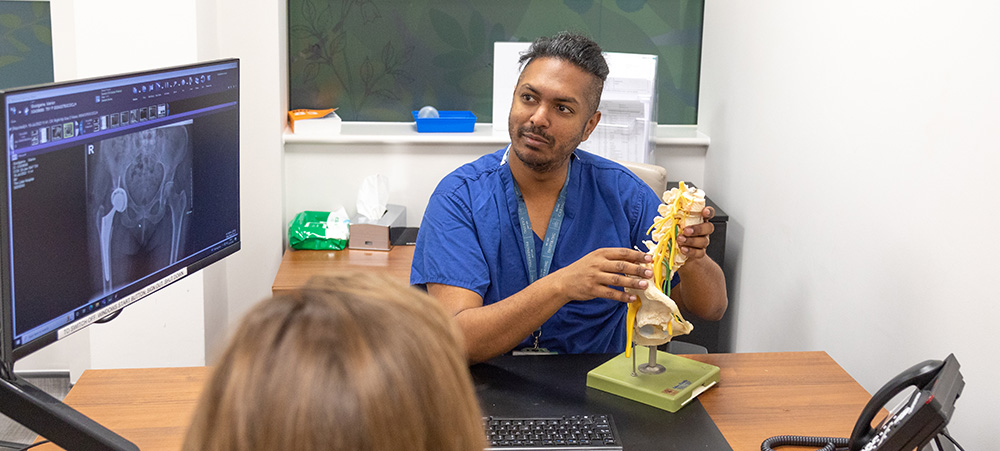
A Less Invasive Approach to Private Total Hip Replacement in London
For some patients, an anterior (Röttinger) hip replacement offers an alternative muscle-sparing approach.
Understanding Hip Arthritis and Its Impact
- Groin or thigh pain that worsens with activity and feels like hip flexor pain
- Stiffness and reduced range of motion such as sitting in a low seat or getting on a bicycle
- Difficulty walking or standing for long periods
- Limping, sleep disruption when on your side, sleeping with a pillow between your legs often helps and reduced quality of life
For a clear breakdown of what a private hip replacement costs, including my published surgeon's fees, see my hip replacement cost guide.
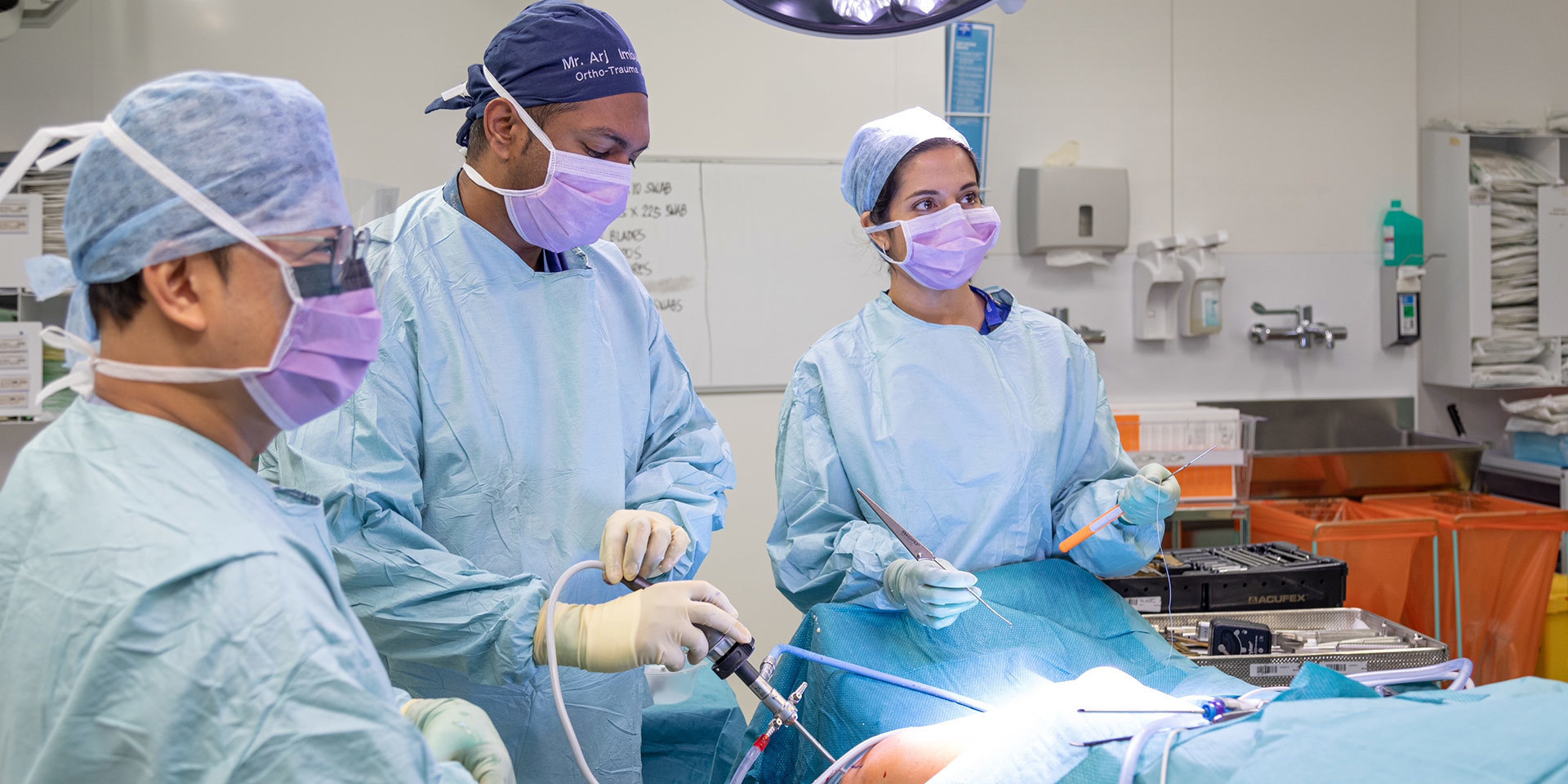
What Is a High Performance or Rapid Recovery Total Hip Replacement?
- Minimally invasive techniques such as the Mini Posterior hip approach and SPAIRE: Using smaller incisions to reduce tissue trauma
- Anterior Based Muscle-sparing approaches such as The Röttinger or Rapid Recovery Hip Replacement: Preserving key muscles and tendons to speed recovery
- High-performance ceramic implants: Custom-selected based on your age, activity level and anatomy that have good data to back their safety and longevity from ODEP (https://www.odep.org.uk/about/rating-system/_)
Designed for Faster Recovery
The Benefits of Minimally Invasive Private Hip Replacement
Our patients benefit from:
-
Faster recovery and reduced hospital stay
-
Smaller incisions with less bleeding and scarring
-
Lower dislocation risk and improved early mobility
-
Minimised pain and reduced need for medication
-
Better joint function in the long term
This approach is particularly suited to active patients looking to avoid lengthy downtime and maintain an active lifestyle post-surgery.
Alternatives to Surgery
- Anti-inflammatory medication
- Lifestyle changes and weight management
- Physiotherapy and leg strength exercises
- Ultrasound guided corticosteroid, hyaluronic acid or PRP injections to reduce inflammation and pain
Understanding Minimally Invasive Hip Replacement
Clear, expert guidance to help you feel confident about your treatment options.
If you're considering a minimally invasive hip replacement, it's natural to have questions about the different techniques, recovery and what to expect. Below, we’ve answered some of the most common questions to help you feel informed and prepared.
Minimally invasive hip replacement refers to modern surgical techniques that use smaller incisions and aim to preserve muscles and soft tissue around the joint. Rather than cutting through major muscle groups, these approaches work between natural anatomical planes where possible. Techniques may include mini posterior, SPAIRE and anterior-based approaches such as the Röttinger method, each selected based on your individual needs.
There is no single approach that suits every patient. The choice of technique depends on your anatomy, activity level, overall health and surgical goals. During your consultation, your surgeon will assess these factors and recommend the most appropriate method, ensuring the best balance between safety, recovery and long-term outcomes.
Recovery is typically faster compared to traditional hip replacement surgery. Most patients are able to walk on the same day, return home within 24 to 48 hours and resume many daily activities within a few weeks. Because muscles are preserved, there is often less pain and fewer movement restrictions, supporting a smoother and more confident recovery.
Potential Risks and Side Effects
Minimally invasive hip replacement is a safe and well-established procedure when performed by an experienced specialist. However, as with any surgery, there are some risks and considerations to be aware of:
- Mild pain, swelling or bruising around the incision site
- Temporary stiffness or discomfort during the early recovery period
- Risk of infection, which is minimised through strict surgical protocols
- Risk of blood clots (deep vein thrombosis), with preventative measures taken
- Rare risk of dislocation or implant-related complications
- Small risk of leg length difference, which is carefully planned to avoid
Minimally invasive, muscle-sparing techniques are designed to reduce tissue trauma and support a smoother recovery, but careful surgical planning and specialist expertise remain essential to achieving the best outcome.
What to Expect: Minimally Invasive Hip Replacement
-
 Your procedure is performed under spinal anaesthetic with light sedation, ensuring you remain comfortable throughout
 -
 A small incision is made and muscle-sparing techniques are used to access the hip joint and position the implant precisely
 -
 High-performance implants are inserted, carefully selected based on your anatomy, lifestyle and long-term needs
 -
You will usually stand and begin walking with support on the same day, guided by a physiotherapist
Why Choose OrthoLongevity?
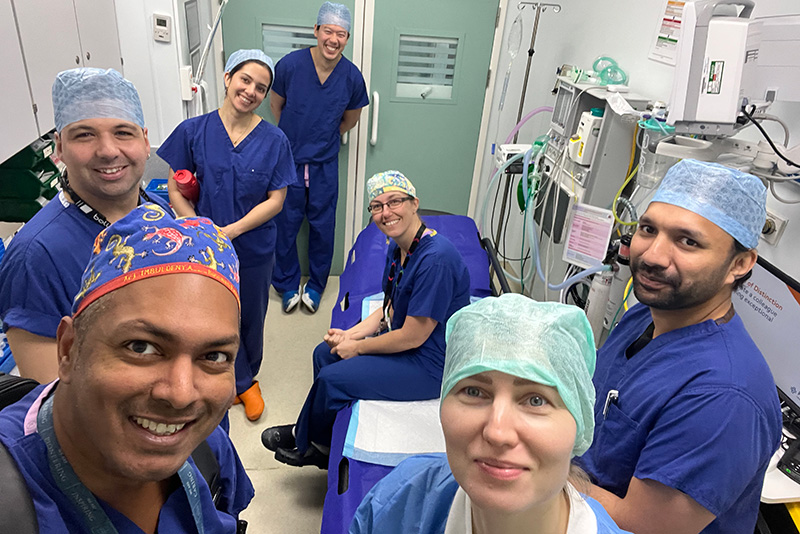
At OrthoLongevity, we deliver care built on innovation, compassion and clinical excellence. Led by Dr Arj Imbuldeniya, our clinic uses advanced therapies within our holistic Ortholongevity™ approach to help patients regain mobility and improve their quality of life. With access to the latest technologies and a dedicated, compassionate team, we focus on finding the right treatment for every individual.
Real Experiences of Hip Replacement Recovery
Choosing hip replacement surgery is a significant step. Hear from patients who have undergone minimally invasive procedures at our clinic and experienced reduced pain, faster recovery and a confident return to daily life.

Hip replacement recovery
I have recovered quickly and I am walking well and I look forward to returning to dance classes very soon.
Louise
Hip replacement success
I had a hip replacement from Mr Imbuldeniya in January 2024 after suffering from arthritis for many years and I’m so glad I did
Yvonne
Book Your Consultation
If hip pain is limiting your movement or quality of life, a specialist consultation is the first step towards the right treatment.
Meet with Dr Imbuldeniya at OrthoLongevity to explore your options for minimally invasive hip replacement. You’ll receive a detailed assessment, clear guidance and a personalised plan designed to restore mobility and support your long-term joint health.
Frequently Asked Questions
Many patients considering minimally invasive hip replacement want to understand what to expect before surgery. Here are some of the most common questions we’re asked in clinic:
Minimally invasive hip replacement uses modern surgical techniques designed to reduce tissue damage by preserving muscles and working through smaller incisions. This approach can support a faster recovery, less pain and improved early mobility compared to traditional methods.
Most patients are able to stand and walk on the same day, with discharge typically within 24 to 48 hours. Many return to daily activities within a few weeks, with full recovery progressing over 8 to 12 weeks depending on individual factors.
Not all patients are suitable for every technique. Your surgeon will assess your anatomy, health and lifestyle goals to recommend the most appropriate approach, which may include options such as mini posterior or anterior-based techniques like the Röttinger approach.
Independent Reviews
Rated by Our Patients
Read verified feedback from patients on Doctify, reflecting their experience of our care, communication and outcomes following minimally invasive hip replacement at OrthoLongevity.