
Request an appointment
Reserve your spot with our team in just minutes.
Other Hip Treatments
Groin Pain Treatment London
Understanding Groin Pain
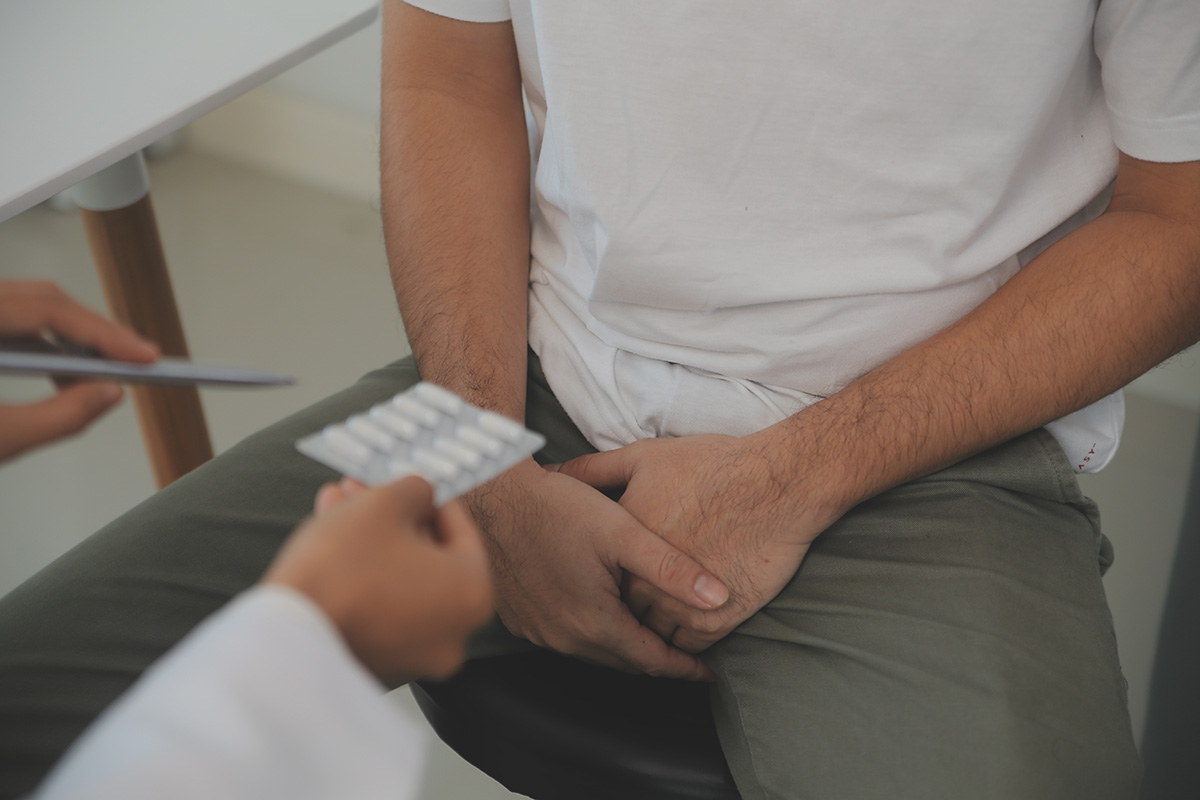
Groin pain refers to discomfort felt in the inner thigh or groin region and can arise from a range of hip, pelvic or soft tissue structures. It affects people of all ages and activity levels, from athletes and runners to active adults and older patients.
Symptoms may develop suddenly following an injury or gradually due to underlying joint, muscular or tendon-related conditions. In many cases, groin pain is not caused by the groin itself but is referred from the hip joint, pelvis or lower spine.
Because groin pain can have multiple overlapping causes, accurate assessment is essential. Treatment depends entirely on identifying the underlying diagnosis rather than treating symptoms in isolation.
Recognising the Signs
Symptoms of Groin pain
Groin pain symptoms vary depending on the cause but commonly include:
-
Pain in the inner thigh or groin regionTBC Long-lasting pain relief
-
Discomfort during walking, running or twisting movements
-
Pain when lifting the leg or changing direction
-
Stiffness or reduced hip movement
-
Pain that worsens with activity or weight-bearing
-
Persistent pain at rest or at night in some cases
Common Causes and Related Conditions
Groin pain may be caused by one or more underlying conditions, including:
-
Muscle, Tendon or Ligament Strain Often related to overuse, sudden movements or sports-related injury affecting the soft tissues of the groin.
-
Hip Osteoarthritis: Degeneration of the hip joint commonly causes deep groin pain, stiffness and reduced mobility.
-
Hip or Pelvic Bone Fractures Usually the result of trauma or falls, leading to severe pain and difficulty weight-bearing.
-
Hernia-Related Groin Pain A weakness in the abdominal wall may cause discomfort or a visible bulge, often worsened by lifting or straining.
-
Ovarian or Gynaecological Causes Certain gynaecological conditions can present as cyclical or persistent groin pain.
-
Trapped or Irritated Nerve Nerve irritation from the lower back or pelvis may radiate pain into the groin or thigh and alter sensation.
Diagnosis and Treatment Options
Assessment begins with a detailed clinical consultation and physical examination. Where appropriate, imaging such as ultrasound or MRI may be used to identify the source of pain and guide treatment decisions. Referred pain from the hip, spine or pelvis is always considered.
-
Non-surgical management Many causes of groin pain can be treated without surgery. This may include activity modification, physiotherapy and personalised pain-management strategies.
-
Injection-based treatments For selected conditions, joint-preserving injections may help reduce pain and inflammation while supporting longer-term function.
-
Surgical options When conservative treatment is no longer effective, surgery may be recommended. Procedures are tailored to the underlying cause of pain and individual activity goals.
-
Our Ortholongevity™ approach Treatment is guided by our Ortholongevity™ philosophy, focused on preserving joint health, maintaining independence and avoiding unnecessary surgery wherever possible.
Book Your Consultation
If you’re experiencing persistent groin pain or are unsure of the cause, a specialist consultation can help provide clarity. Dr Imbuldeniya will assess your symptoms, identify the underlying issue and guide you through the most appropriate treatment options, from targeted rehabilitation and injections to surgical care where necessary.
Why Choose OrthoLongevity?
At OrthoLongevity, we deliver care built on innovation, compassion and clinical excellence. Led by Dr Arj Imbuldeniya, our clinic uses advanced therapies within our holistic Ortholongevity™ approach to help patients regain mobility and improve their quality of life. With access to the latest technologies and a dedicated, compassionate team, we focus on finding the right treatment for every individual.
FAQs
Recovery depends on the underlying cause. Some conditions improve with rest and targeted treatment, while others require longer-term management.
Many patients benefit from temporarily reducing activities that worsen symptoms, such as sprinting, sudden direction changes, deep squatting or prolonged sitting.
If groin pain is persistent, worsening, affects walking or exercise, or follows an injury or fall, specialist assessment is recommended.
Patient Experiences
Our latest reviews
Groin-specific patient reviews and verified feedback.