
Request an appointment
Reserve your spot with our team in just minutes.
Other Knee Treatments
Meniscus Tear Treatment in London
Keyhole surgery to repair torn meniscus and protect your knee
Arthroscopic Meniscus Repair (AMR) is a keyhole procedure performed through small 1 cm incisions to repair torn meniscal cartilage, reduce pain and help slow future wear of the knee joint. It’s consultant-led care with a clear focus on precision and recovery.
What is Arthroscopic Meniscus Repair (AMR)?
AMR uses an arthroscope (a thin, fibre-optic camera) and specialised instruments to repair damaged meniscal tissue through tiny portals rather than a large incision. Compared with traditional open surgery, arthroscopy typically leads to less pain after the operation, a lower risk of infection, shorter hospital time and a quicker return to function. AMR techniques include all-inside, inside-out, outside-in and trans-osseous root repair, selected according to tear type and location.
Understanding meniscus knee cartilage damage
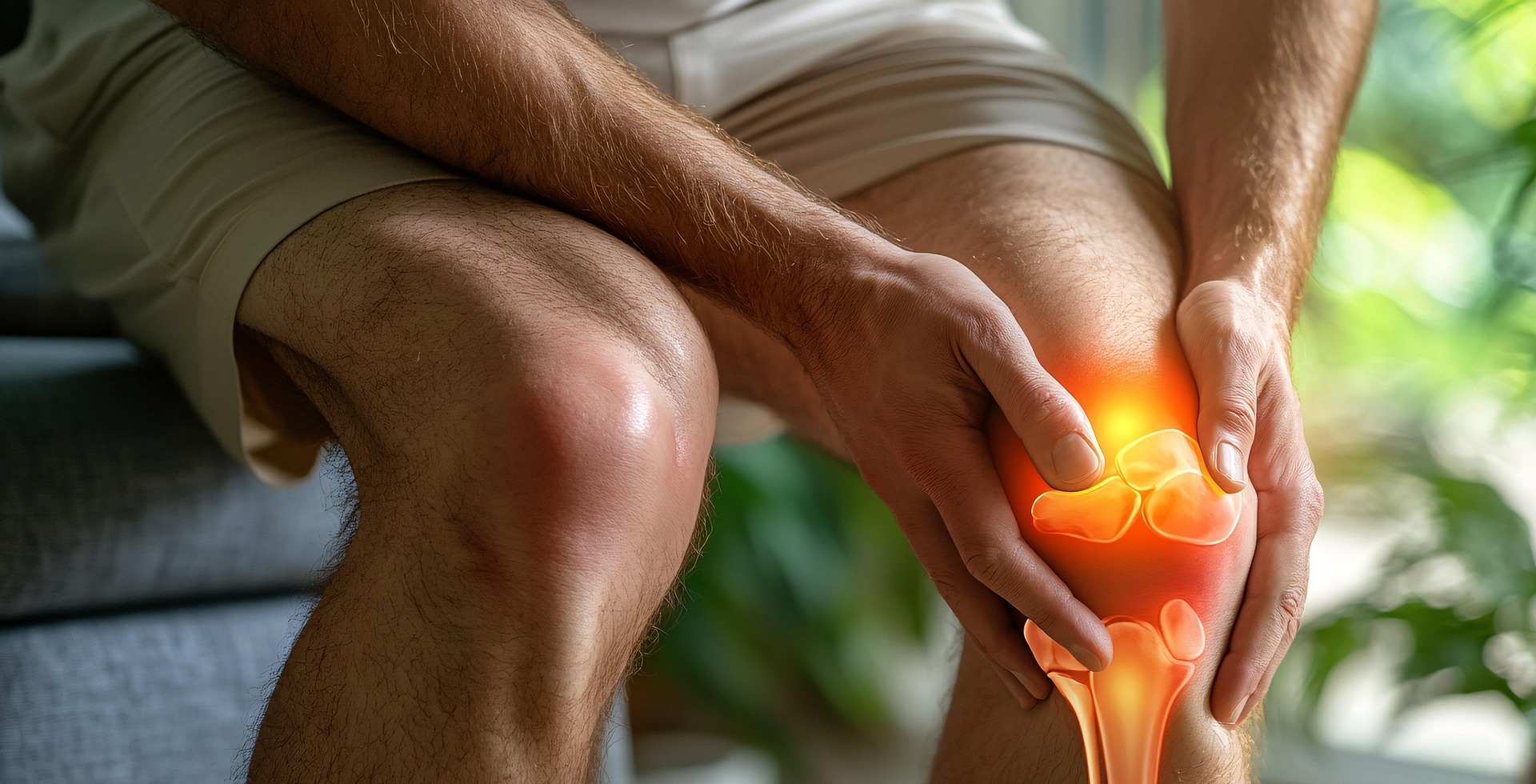
The medial and lateral menisci are C-shaped fibrocartilage cushions that stabilise the knee, increase contact area between the femur and tibia and reduce stress during movement. Tears may follow twisting or high-impact sports (football, netball, tennis, skiing) or occur with age-related degeneration. Symptoms include pain, swelling, locking, giving way and difficulty kneeling or squatting.
Blood supply determines healing potential: peripheral (red-red) tears heal best; inner-edge (white-white) tears have limited healing and may require alternative management.
At a Glance
Benefits of Arthroscopic Meniscus Repair Treatment
-
Pain reduction & symptom relief Helps stop mechanical symptoms such as locking or giving way.
-
Joint preservation Repairing viable meniscus can slow future osteoarthritis and degeneration.
-
Minimally invasive 1 cm portals, less tissue disruption and typically faster recovery.
-
Tailored technique Four complementary repair methods chosen to suit tear pattern and location.
-
Early mobilisation Same-day walking in most cases with a clear rehab plan.
A bridge to long-term knee health
If you have persistent knee pain or mechanical symptoms despite physiotherapy, AMR offers a targeted, tissue-preserving option. Under the care of Consultant Orthopaedic Surgeon Mr Arjuna Imbuldeniya, the aim is to keep as much functioning meniscus as possible to support stability, activity and long-term joint health.
Key Information About Private Meniscus Tear Treatment in London
Surgery isn’t always necessary. First-line care is physiotherapy. AMR is considered when symptoms persist (pain, tenderness, locking, giving way, trouble squatting/turning) and when the tear pattern and location are suitable for repair. Success is higher in patients under 40, without arthritis, with BMI < 30 and good engagement in rehab.
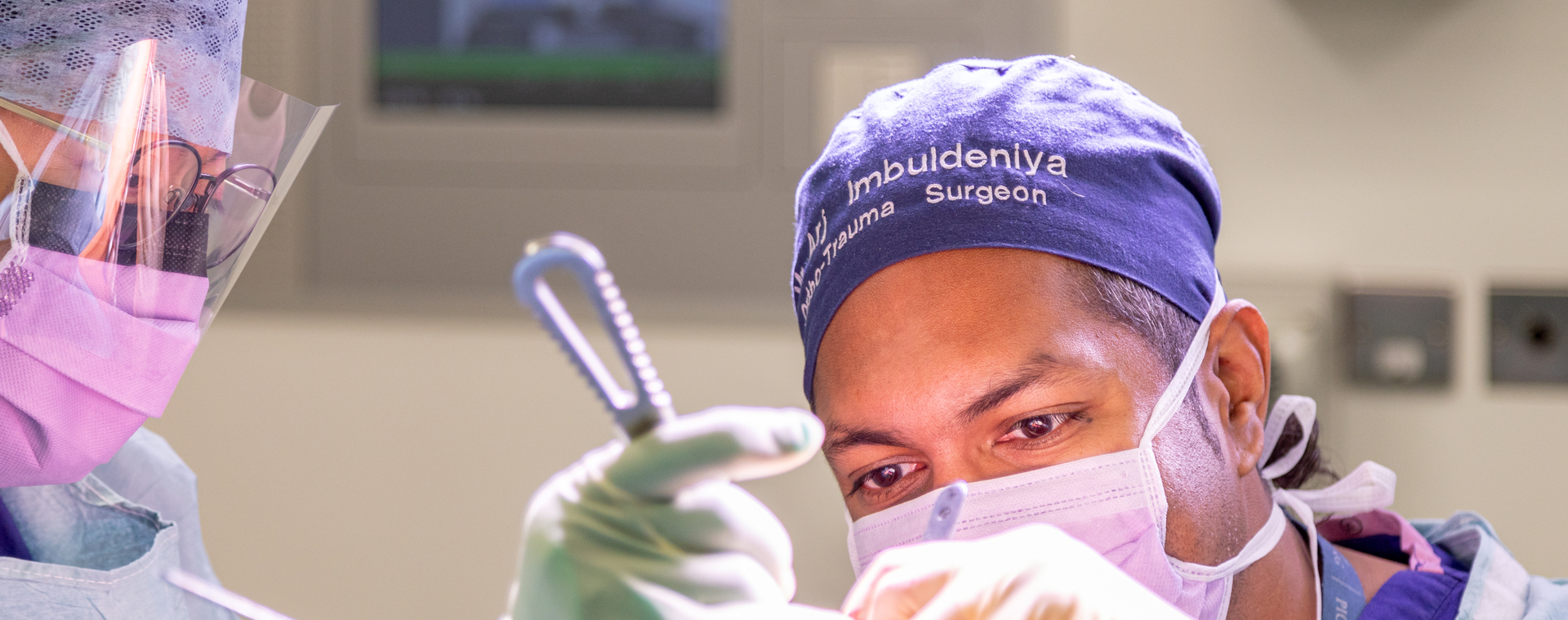
Usually performed by Mr Imbuldeniya under general or spinal anaesthesia. Duration is typically 20–60 minutes. Two small portals are made; the knee is irrigated; the tear is assessed and prepared; sutures or devices secure the repair (technique based on tear site: all-inside for posterior horn, outside-in for anterior horn, root repair for root tears, etc.). Local anaesthetic is placed before closure.
Same-day walking and discharge in most cases, often with crutches for comfort. Keep the leg elevated initially and use ice for swelling. Begin guided exercises immediately to restore range and strength. After repair: avoid loading beyond 90° knee flexion while healing; return to sport is typically around 4 months. After partial meniscectomy (if required): no brace, faster ROM, sport in 5–6 weeks.
If a tear is not repairable (e.g. avascular white-white zone or poor tissue quality), Arthroscopic Partial Meniscectomy (APM) may be advised to remove the torn fragment. Although easier technically and still common worldwide, repair is preferred whenever feasible to preserve meniscus and protect the joint.
Potential side effects and risks
Complications are uncommon (~0.1–1%). Risks include infection and venous thromboembolism (DVT/PE). Repair failure can occur if the tear cannot heal or rehab is not followed. You’ll receive clear instructions to reduce risk, including wound care, activity limits and flight restrictions (avoid long-haul 6 weeks, short-haul 4 weeks).
What to Expect from Your Meniscus Tear Treatment in London
Every stage of your treatment is designed for safety, precision, and comfort.
-
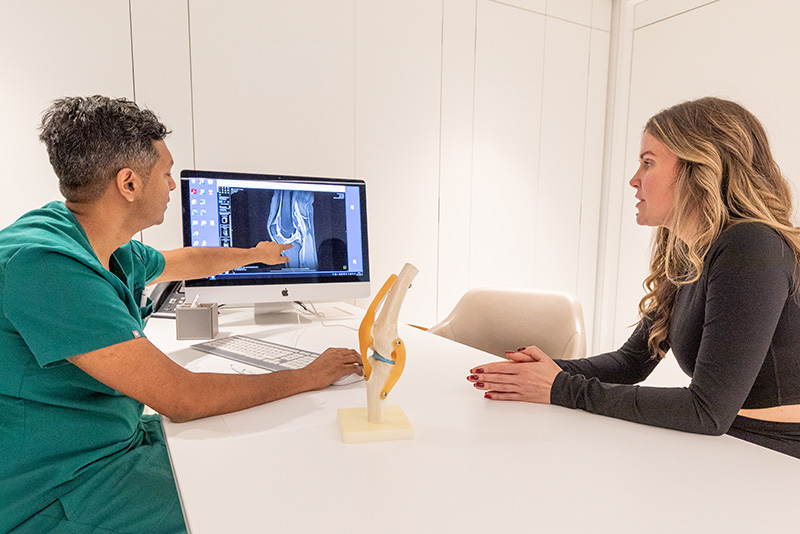
Initial Consultation Detailed assessment with Mr Imbuldeniya covering symptoms, goals and prior treatment. Indications, options (repair vs partial meniscectomy) and expectations are discussed, with a meniscus-preserving approach where possible. -

Tests and Assessment Imaging (X-ray/MRI) confirms tear pattern, location and suitability for repair. Pre-assessment at the Lister Hospital (Chelsea) or Clementine Churchill Hospital (Harrow) checks medications (including anticoagulants) and plans safe anaesthesia and aftercare. -

The Procedure General or spinal anaesthesia with experienced consultants. Two 1 cm portals are made; the knee is inspected systematically; the tear is prepared to encourage healing and repaired using the most appropriate technique. Local anaesthetic is used at the end. Waterproof dressings and a compression bandage are applied; follow-up is at ~2 weeks for wound check and stitch removal if needed.

Patient stories
Real feedback from our patients
Read feedback from patients who have received treatment for meniscus tears at The West London Knee & Hip Clinic.
Meniscus Repair Excellence
Had a recent surgery to repair a meniscus injury. Mr Arjuna Imbuldeniya was excellent throughout the process, from the first consultation to post-surgery care. Highly recommend.
James
Torn Meniscus Surgery Success
I recently had surgery to repair a torn meniscus performed by Dr. Imbuldeniya, and I couldn’t be more satisfied with the outcome.
Olga
Book Your Consultation
Ready to take the first step toward relief from knee pain, locking or instability? Book a consultation with Mr Arjuna Imbuldeniya to assess your meniscus tear and discuss whether arthroscopic meniscus repair or an alternative is right for you. We’ll outline your options, plan your recovery and support you at every stage.
Frequently Asked Questions
Many patients considering robotic-assisted surgery want to understand what to expect before treatment. Here are some of the most common questions we’re asked in clinic:
Yes. You’ll attend a hospital pre-assessment to review health, medicines and aftercare. Some blood thinners and supplements may need to be paused — this will be advised in advance.
Both are used safely for AMR. For short keyhole procedures, general anaesthetic is common; spinal may be considered in some cases. Your anaesthetist will recommend the best option for you.
Crutches are usually provided for comfort. After repair, a brace is not routinely required, but you should avoid deep flexion (>90°) during healing. After partial meniscectomy, range is not typically restricted.
After repair, around 4 months is typical depending on healing and rehab progress. After partial meniscectomy, many return in 5–6 weeks. Your physiotherapist will guide milestones.
Why Choose The West London Knee and Hip Clinic?
At The West London Knee and Hip Clinic, we deliver care built on innovation, compassion and clinical excellence. Led by Mr Arjuna Imbuldeniya, our clinic uses advanced therapies within our holistic Ortholongevity™ approach to help patients regain mobility and improve their quality of life. With access to the latest technologies and a dedicated, compassionate team, we focus on finding the right treatment for every individual.
Patient Reviews
What Our Patients Say
Verified Doctify reviews from patients who have received treatment for meniscus tears under the care of Dr Arjuna Imbuldeniya at The West London Knee & Hip Clinic.