
PRP Knee Injections in London

Harnessing your body’s natural healing power for joint pain relief

If you’re living with knee pain caused by arthritis, tendon injury or overuse, Platelet-Rich Plasma (PRP) therapy offers a regenerative, non-surgical solution. This innovative treatment uses the healing properties of your own blood to reduce pain, improve mobility and support long-term joint health.

What Is PRP Therapy?

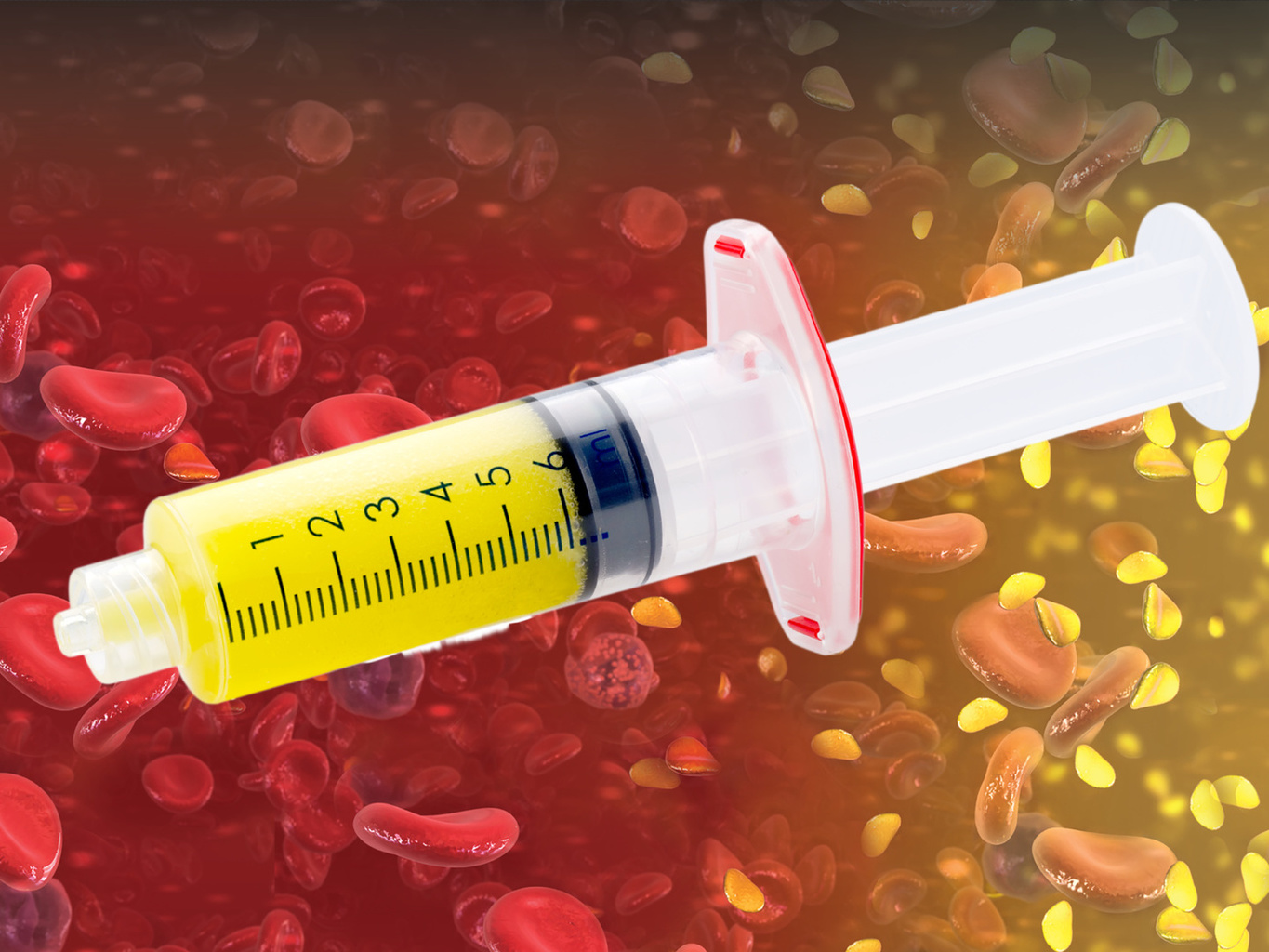
Platelet-Rich Plasma (PRP) injections — also known as Arthrex ACP Autologous Conditioned Plasma therapy — use a small sample of your own blood to create a concentrated plasma rich in platelets and growth factors. These naturally occurring substances help repair damaged cartilage, tendons and muscle tissue, reducing pain and promoting healing.

PRP therapy is widely recognised in regenerative medicine for treating knee osteoarthritis, muscle tears, and tendon injuries around the patella and gluteal areas. By restoring the body’s natural balance and supporting tissue regeneration, PRP can help patients delay or even avoid surgical intervention.

How Does PRP Therapy Work?

Platelets are rich in bioactive proteins called growth factors, which play a central role in healing injured or inflamed tissue. When injected into the affected joint or tendon, PRP releases these growth factors to stimulate tissue repair, enhance collagen production and regulate inflammation.

This biological process supports regeneration in areas where blood supply is limited — such as cartilage and tendons — and can be particularly effective for patients with osteoarthritis or chronic tendon pain.

PRP therapy at The West London Knee and Hip Clinic is performed by Consultant Orthopaedic Surgeon Dr Arjuna Imbuldeniya at The Lanserhof Clinic in Mayfair, using advanced Arthrex ACP technology to ensure accuracy, purity and consistency of results.

PRP Therapy at a Glance

Benefits of PRP Knee and Hip Injections

  • Natural healing: Uses your own blood to support tissue repair, minimising the risk of allergic reaction or rejection.
  • Minimally invasive: A straightforward outpatient procedure performed without the need for general anaesthetic or hospital admission.
  • Fast recovery: Most patients can return to normal daily activities shortly after treatment, with individual guidance provided to support safe recovery.
  • Versatile treatment: Used in the management of knee osteoarthritis, tendinopathy, and selected sports-related muscle and tendon injuries.
  • Long-term benefit: May help reduce pain, improve joint function and support long-term joint health as part of a wider, personalised treatment plan.

A Personalised, Regenerative Approach to Joint Pain

PRP therapy bridges the gap between short-term pain relief and invasive surgery. Under the expert care of Dr Arjuna Imbuldeniya, each treatment plan is tailored to your condition, ensuring precision and optimal results. By supporting your body’s natural repair mechanisms, PRP helps restore comfort, confidence and mobility.

Key Information About Private PRP Knee Injections in London

PRP therapy bridges the gap between short-term pain relief and invasive surgery. Under the expert care of Dr Arjuna Imbuldeniya, each treatment plan is tailored to your condition, ensuring precision and optimal results. By supporting your body’s natural repair mechanisms, PRP helps restore comfort, confidence and mobility.

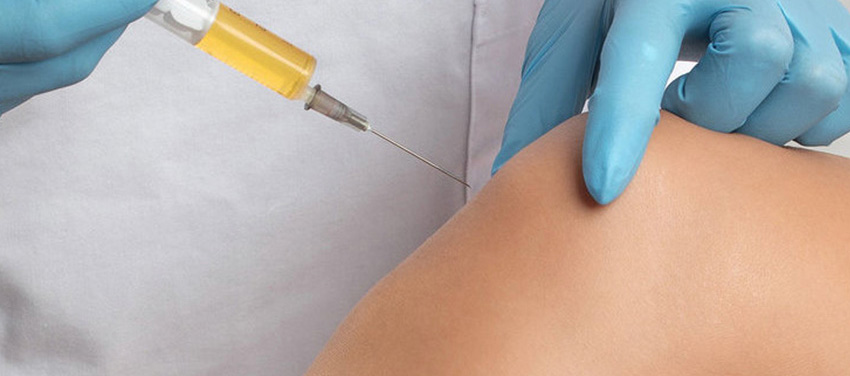
A small blood sample is taken from your arm and processed in a centrifuge to separate the platelet-rich plasma. The concentrated plasma is then injected into the affected joint or tendon using a fine needle. Each session takes around 30 minutes and is performed in the clinic.

Stay hydrated for 24 hours before your appointment. Avoid NSAIDs (e.g. ibuprofen, aspirin, naproxen) for two weeks and blood thinners (e.g. Warfarin, Xarelto, Plavix) for 48 hours prior, as they can affect platelet function.

Most patients benefit from a course of three injections, each spaced two to three weeks apart. This schedule maximises platelet activity and supports progressive healing.

You may experience mild soreness or swelling for up to 48 hours. This usually settles quickly. Avoid strenuous activity for a few days, then gradually return to normal exercise. Improvements are often noticed within a few weeks.

Potential Side Effects and Considerations

PRP therapy is considered very safe since it uses your own blood. Mild side effects such as temporary swelling, bruising or tenderness may occur but resolve quickly. Some patients may experience a short-term flare of pain after injection, which is part of the natural healing response.

Effectiveness can vary based on condition severity, overall health and adherence to post-treatment guidance. PRP can also complement other treatments such as hyaluronic acid injections, physiotherapy or arthroscopic surgery to enhance outcomes.

What to Expect from Your Arthrosamid® Treatment

From your first consultation through to the injection itself, every stage of the Arthrosamid® process is carefully designed to ensure safety, precision, and comfort.

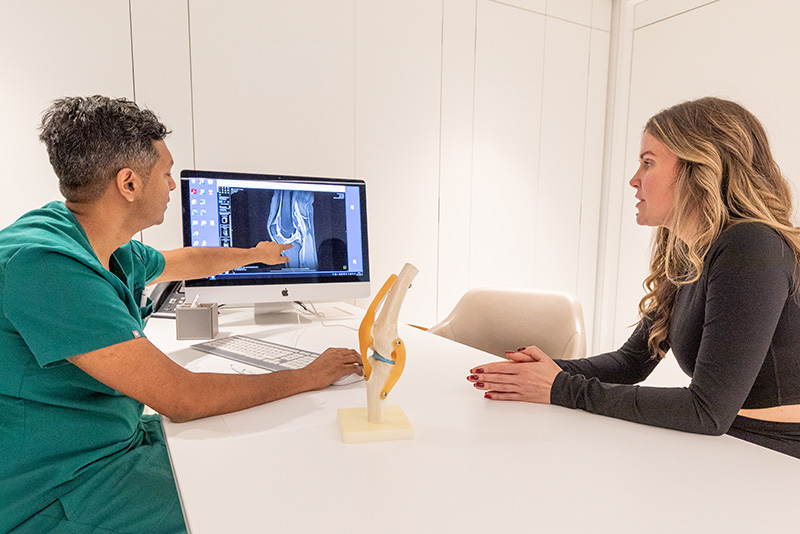
  • Initial Consultation Your journey begins with a detailed consultation with Dr Arjuna Imbuldeniya, Consultant Orthopaedic Surgeon and knee specialist. During this appointment, he will take time to understand your symptoms, review your medical history, and assess the severity of your knee osteoarthritis. You’ll have the opportunity to discuss previous treatments, your goals, and any concerns. Dr Imbuldeniya will then explain how Arthrosamid® works, what results to expect, and whether it’s the most appropriate option for your condition.
  • Tests and Assessment If required, diagnostic imaging such as X-rays, MRI, or ultrasound will be arranged to provide a clear picture of your knee joint and confirm suitability for treatment. These tests help identify the extent of cartilage wear, joint inflammation, or other factors that could influence your outcome. The results allow Dr Imbuldeniya to tailor the treatment precisely to your needs and plan the injection using ultrasound guidance for maximum accuracy.
  • The Injection Procedure The Arthrosamid® injection is a straightforward outpatient procedure that usually takes around 20–30 minutes. You’ll receive a local anaesthetic to minimise discomfort and oral antibiotics to reduce the risk of infection. Using real-time ultrasound, Dr Imbuldeniya accurately guides the injection into the synovial capsule of the knee joint, where the hydrogel integrates with the surrounding tissue to provide cushioning and long-term pain relief. Most patients can walk out of the clinic the same day and resume light activity within 24 hours.
Patient stories

Real feedback from our patients

Verified reviews from patients treated for knee pain using PRP therapy.

Ceri

Ms Boulter

Book Your Consultation

If you’re struggling with knee pain and want to explore the benefits of PRP knee injections, book a consultation with Dr Arjuna Imbuldeniya at The West London Knee and Hip Clinic in Mayfair. We’ll review your symptoms, explain your options and create a treatment plan designed to help you move freely and live without pain.

Frequently Asked Questions

Many patients considering Arthrosamid® want to understand what to expect before treatment. Here are some of the most common questions we’re asked in clinic:

Clinical studies show that a single Arthrosamid® injection can provide pain relief and improved joint function for up to three years in many patients. Results vary depending on the severity of knee osteoarthritis, but most people notice improvement within four weeks of treatment.

The injection is performed under local anaesthetic to keep you comfortable throughout. You may feel mild pressure or brief discomfort during the procedure, but most patients describe it as well tolerated. Any tenderness at the injection site usually settles within a day or two.

Most patients are able to walk out of the clinic and resume light activity the same day. We generally recommend avoiding high-impact exercise for a few days to allow the joint to settle. Dr Imbuldeniya will provide specific guidance based on your activity level and recovery progress.

Yes. Arthrosamid® is often part of a wider treatment plan that may include physiotherapy, strength training, or lifestyle changes to support knee health. It can also be an option when other injections, such as hyaluronic acid or PRP, have not provided lasting relief.

Patient Experience

Real Feedback from Our Patients

Verified Doctify reviews from patients who have received PRP knee treatment at The West London Knee & Hip Clinic.