
Request an appointment
Reserve your spot with our team in just minutes.
Other Knee Treatments
Private ACL Surgery in London
A torn ACL is frightening, especially if sport is a big part of who you are, and the first thing most people ask me is whether they will get back to it. It is a fair question, and my job is to work out with you the safest route back.
I am a consultant knee surgeon in London who reconstructs torn ACLs, including in women, young athletes and knees where a previous reconstruction has failed. Not every torn ACL needs an operation, and when yours does, I choose the graft for your knee, add a lateral tenodesis when your risk of tearing it again calls for it, and add an internal brace for extra protection while the graft matures in every revision and in first reconstructions where the risk is higher.
Written and medically reviewed by Dr Arj Imbuldeniya, Consultant Orthopaedic Knee and Hip Surgeon. Last reviewed 8 November 2026. The studies behind this page are listed at the end.
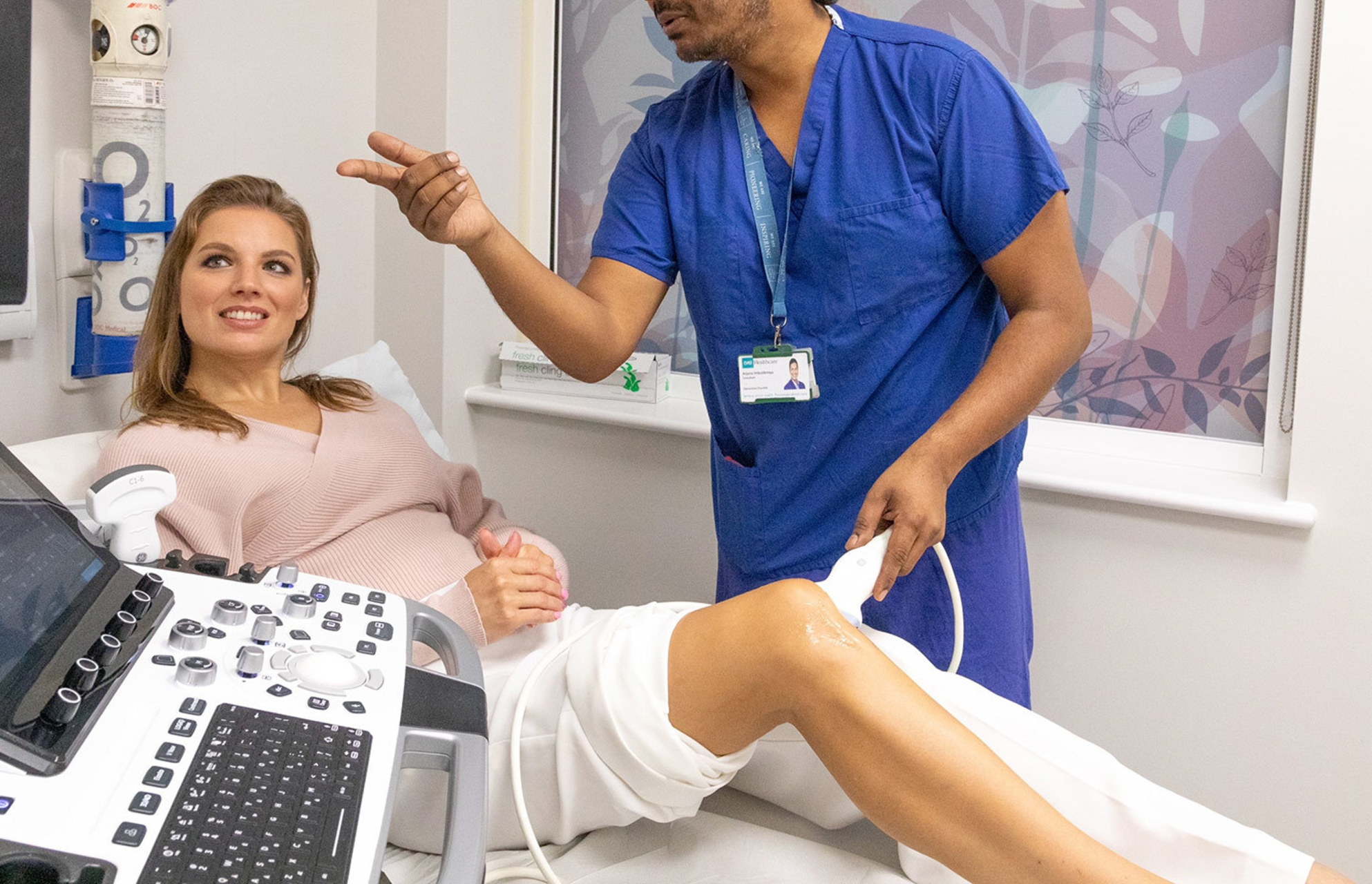
At a glance
ACL reconstruction at a glance
| Operation time | About 90 minutes |
|---|---|
| Anaesthetic | General anaesthetic, with nerve blocks and local anaesthetic to keep the knee comfortable afterwards |
| Hospital stay | Day case at Cromwell Hospital, home the same day |
| Walking | Comfortably by about two weeks, with jogging at three to four months |
| Guide price | £11,381 to £11,632 all-in for a reinforced ACL reconstruction with an internal brace and LET, covering the hospital, the implants, my fee, the anaesthetist and your first follow-up, with the higher figure when a meniscus repair is done at the same operation |
Free 60-second assessment
How old are your knees?
Your knees have a biological age, and it is often not the age on your passport. Of the people who have taken this test, 55 per cent found their knees were older than they are, and one in eight by ten years or more. Sixty seconds, free, and you get one number and the single change that would take the most years off it.
Find my Knee Age, free →Restoring Strength, Stability and Confidence After ACL Injury
An anterior cruciate ligament (ACL) injury can be life-changing, affecting your movement, balance and quality of life. At OrthoLongevity, we specialise in accurate diagnosis and advanced ACL repair and reconstruction surgery, helping patients recover stability, rebuild strength and safely return to sport.
What Is the Treatment?
ACL injury treatment is tailored to the individual, based on symptoms, activity level, and stability of the knee. Some patients can recover with structured physiotherapy focused on strength and control. Where instability persists, reinforced ACL reconstruction with internal brace and LET may be recommended to restore knee stability and protect the joint from further damage.
All treatment decisions are made following careful assessment and discussion, with the aim of restoring confidence, function, and long-term knee health.
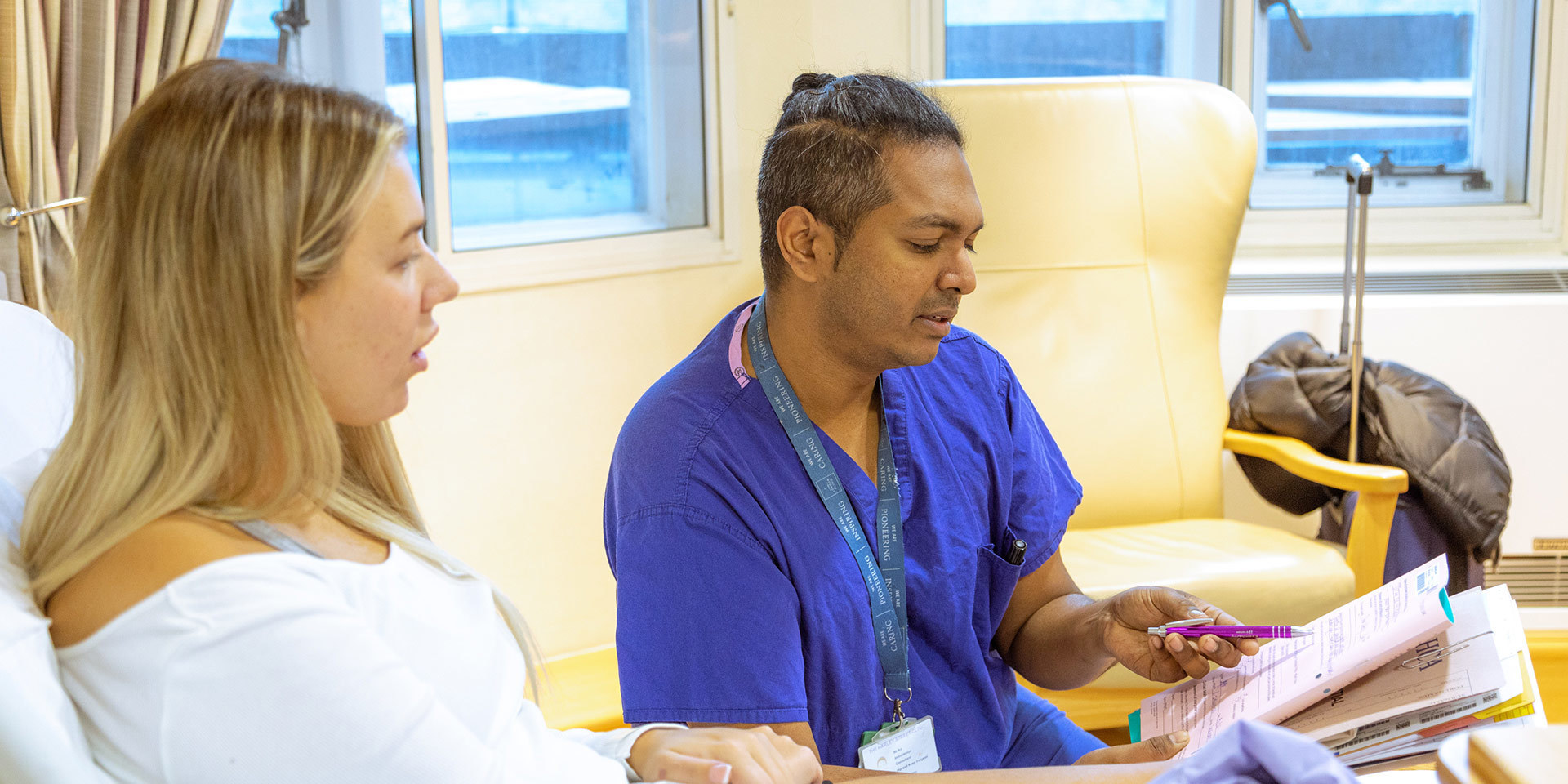
Understanding ACL Injuries
The ACL is one of the four main ligaments that stabilise the knee, connecting the femur (thigh bone) to the tibia (shin bone) and preventing the shin from moving too far forward. ACL tears typically occur during sport or activity involving sudden stops, twists, or changes of direction.
Most ACL injuries are non-contact, often causing a distinct popping sound, immediate swelling, and instability. The knee may feel as if it will “give way,” especially when turning, descending stairs, or running.
Women are statistically more prone to ACL tears than men due to differences in knee anatomy and biomechanics, making specialist experience in female athlete care particularly important.
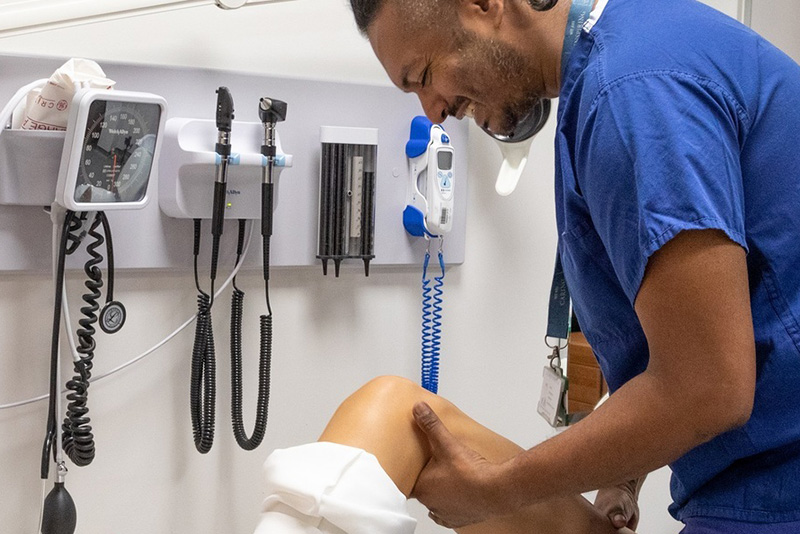
What Causes an ACL Tear?
ACL injuries most often occur during:
- Rapid pivots, twists or sudden stops
- Landing awkwardly after a jump
- Direct impact to the knee (e.g. football or rugby tackles)
- Poor landing mechanics or uneven ground
The severity can range from minor sprains to complete ruptures. While some partial tears can heal with physiotherapy, a complete ACL tear often requires surgical reconstruction to restore knee function and prevent long-term instability.
Why This Approach Is Used
Benefits of ACL Reconstruction Surgery
-
Restores stability Rebuilds the knee’s internal support for normal function and activity.
-
Reduces pain and instability Prevents the knee from “giving way.”
-
Protects long-term joint health Reduces risk of further cartilage or meniscus damage.
-
Improves confidence and mobility Enables safe return to sport and physical activity.
-
Personalised care Surgery and rehab tailored to each patient’s sport, lifestyle and goals.
Do I need surgery for a torn ACL?
Not always: in the KANON trial, young active adults with a fresh ACL tear who started with structured rehabilitation, and had an operation only if the knee kept giving way, did as well over eleven years as those reconstructed straight away, and about half of them never needed a reconstruction [1]. The other half did, and that matters just as much, because in a UK trial of people whose knees kept giving way, reconstruction gave better results than more rehabilitation [2], and a knee that keeps giving way can tear its meniscus, the shock absorber inside the joint, an injury linked with about six times higher odds of arthritis later [3]. So the question I ask is not whether your ACL is torn, because the scan has answered that, but whether your knee is stable enough for the life you want to live, the football, the skiing, the child you chase across the park, and whether it is being damaged while we wait.
Which graft is best for ACL reconstruction?
There is no single best graft among the three main choices, your own hamstring, quadriceps or patellar tendon, and the right one depends on your knee, your sport and your age. Pooled studies find similar stability and similar failure rates up to two years, with less pain where the graft was taken when the quadriceps tendon is used rather than the patellar tendon [4,5]. In people aged 25 and under, hamstring grafts failed about twice as often as patellar tendon grafts in pooled studies [6], and thicker hamstring grafts are linked with fewer revisions [7], which is why the size and type of graft matter so much for a young athlete.
When I use hamstring, I take a single tendon, the semitendinosus, folded four times to make a thick, strong graft, and leave the gracilis in place, which is less invasive; in a trial followed for eight years, a single tendon gave the same stability and failure rate as taking both [8]. One trial found women had slightly looser knees with a single-tendon graft at four to five years [9], so for women I weigh this carefully when choosing between hamstring and quadriceps tendon, and for anyone whose MCL, the ligament on the inner side of the knee, is also injured or weak, I lean towards the quadriceps tendon.
Donor tendons, called allografts, such as a semitendinosus or peroneus longus tendon, avoid taking any tissue from your own leg, which is why I offer them, but in young or very active people about 1 in 4 donor grafts failed in pooled studies, against about 1 in 10 grafts made from the patient's own tissue [10]. The risk falls with age, but even in people over 40 one study found 9 of 215 donor grafts tore, against none of 116 grafts made from the patient's own tissue [11], so I use donor grafts mainly for revision surgery, knees needing several ligaments rebuilt and older patients who understand the trade-off. Matching all of this to one person, the graft, its size, how it is fixed and whether the knee needs extra support, is what I mean by a bespoke reconstruction.
What is a lateral extra-articular tenodesis (LET)?
A lateral extra-articular tenodesis, LET for short, is a small extra procedure on the outside of the knee that uses a strip of the iliotibial band, the tough band running down the outer thigh, to control the twisting movement that most often tears a new ACL. In the STABILITY trial of 618 young people at high risk of re-injury, adding LET to a hamstring reconstruction cut graft ruptures from 11 in 100 to 4 in 100 over two years [12]. It came with a little more pain and slightly weaker thigh muscles for the first six months, which then settled, and more people needed a small piece of fixing hardware removed [13], while pooled trials since show fewer graft failures without more complications overall [14]. Over the long term, a recent review found less arthritis on the outer side of the knee with LET, although one long trial found more [15,16]. In my practice I add LET in selected knees where the risk of tearing again is higher, such as younger patients returning to pivoting sport, revision surgery and knees with marked rotational looseness, and we decide on it together once you understand the trade-off.
What is an internal brace in ACL surgery?
An internal brace is a strong surgical tape fixed alongside the new graft, a seatbelt that shares the load while the graft matures over the first year. Pooled studies link the tape with fewer graft failures in hamstring reconstructions, about 3 in 100 against 8 or 9 in 100 in one review [17], while another review found there is not yet enough evidence to say it improves results [18]. I see the brace as a sensible extra protection during the vulnerable months, and I use it in every revision, in first reconstructions where I judge the risk of tearing again to be higher, such as very flexible (hypermobile) joints, a narrow notch where the ligament sits, knock-knees, a steep slope at the top of the shin bone or a torn ACL in the other knee, and in women.
When can I return to sport after ACL surgery?
For pivoting sport, usually not before nine months, and only when strength, hopping and confidence tests show the knee is ready. In one study the chance of a new knee injury fell by about half for every month that return to sport was delayed, up to nine months [19], and in another, young athletes who went back to demanding sport before nine months had about seven times the rate of a second ACL injury [20]. People under 20 carry the highest risk, with about 3 in 10 injuring either knee again within five years in one study [21], so with teenagers I am particularly patient.
My page on knee exercises after injury or surgery sets out what to do at each stage, starting with waking up the thigh muscle, and my knee recovery kit page covers the equipment worth having.
Patients often ask me whether PRP speeds up healing after an ACL injury or reconstruction. I have set out the trial evidence on a separate page: does PRP help an ACL tear or ACL reconstruction?
Female ACL reconstruction
Women and girls tear their ACL more often than men and boys in several sports, particularly contact sports, landing sports such as gymnastics and team ball sports, where most of these injuries happen without any contact at all [22,23]. The reasons are a mix of anatomy, hormones, muscle control and how training is organised, and the reassuring news is that after reconstruction women and men have similar rates of the new graft tearing [24]. What does differ is the return, because on average women go back to sport less often, which tells me rehabilitation, strength and confidence deserve as much care as the operation. I plan the graft, its size and its fixation around each woman's knee, aiming for a graft of 8 to 10mm where I use hamstring, because thicker hamstring grafts are linked with fewer revisions [7], adding an internal brace and, when her risk of re-injury calls for it, a lateral tenodesis. The aim is not simply a stable knee at six months, but a knee that stays stable through a lifetime of sport.
Revision ACL surgery
Some patients come to me after an ACL reconstruction that has failed: a re-rupture, a stretched graft, or a knee that never felt trusted again. Revision ACL surgery is more complex than first-time reconstruction. Tunnel position, bone stock and the cause of the original failure all have to be understood before any decision is made, which is why revision cases begin with detailed imaging and an honest conversation about what went wrong the first time. I take on revision ACL work regularly, and the first consultation is always about diagnosis before it is about surgery.
How my team and I look after you
From your first appointment you have a small team around you: me, the physiotherapist who guides your rehabilitation, and my practice team, who you can reach with any question. We look at the whole picture, your strength, your sport and what you want to get back to, and not only the ligament.
If your knee can do well without an operation, I will tell you, and we will build it up properly first. If it needs reconstructing, I choose modern techniques to suit your knee, and your rehabilitation starts before the operation with the exercises I ask every patient to do. My page on the physiotherapists I work with will help you find one near you.
Watch a keyhole ACL reconstruction, filmed in theatre, with the meniscus repair from 2:40.
Key Information About Private ACL Reconstruction Surgery in London
ACL reconstruction replaces the torn ligament with a graft made from either your own tissue (autograft) or donor tissue (allograft). Common options include hamstring tendons, quadriceps tendon, or patellar tendon. The graft is fixed in place using surgical screws, strong cords, or suspensory buttons under precise tension to restore stability.
The operation is performed under general or spinal anaesthetic. Using minimally invasive arthroscopic (keyhole) techniques, the damaged ACL is removed and the new graft is positioned accurately inside the knee joint. The surgeon inspects the joint in high-definition 4K and can repair other structures, such as meniscus tears, at the same time.
Most people walk comfortably by about two weeks and start jogging at three to four months, and return to pivoting sport between nine and twelve months, once strength and confidence tests show the knee is ready [19].
In some cases of partial tears or low-demand activity, non-surgical management with physiotherapy, bracing, and strength training may be appropriate. Your consultant will help determine the best route for you.
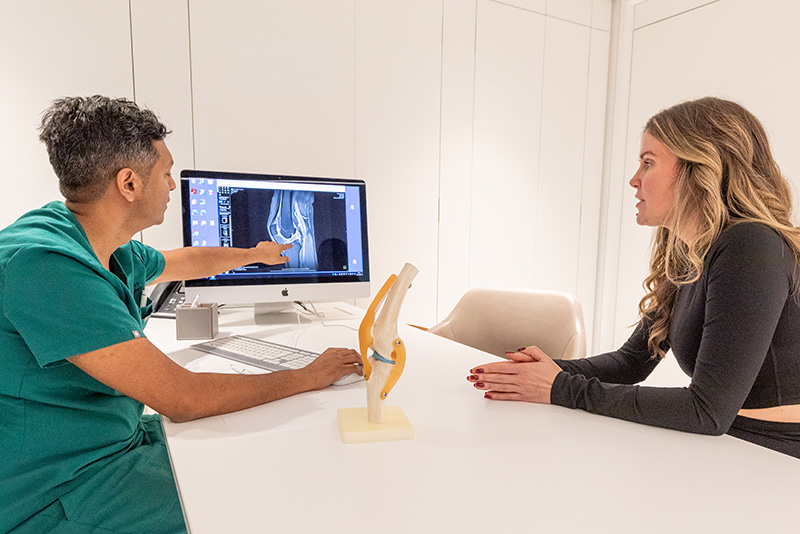
Risks and Potential Complications
ACL reconstruction is a well-established operation, and serious problems such as deep infection or a blood clot are rare, affecting about 1 in 200 (0.5%) of the ACL reconstructions I have done. Numbness beside the scar is common and can be permanent, although it rarely causes problems, and some stiffness and soreness where the graft was taken usually settle with time and rehabilitation. The main long-term risk is another ACL injury, either the new graft tearing or the ACL in the other knee, and it is highest in young people returning to demanding sport, where about 1 in 4 injure an ACL again in pooled studies [25]. We go through all of this in detail before any decision is made.
All risks are carefully discussed before surgery to help you make an informed decision. At OrthoLongevity, we maintain rigorous infection control, use advanced graft fixation systems, and provide structured rehabilitation to minimise complications.
What to Expect from Your Private ACL Surgery in London
Every stage of your treatment is designed for safety, precision, and comfort.
-
 Initial Consultation Your assessment with Dr Arj Imbuldeniya includes a detailed clinical exam, imaging review (MRI, X-ray), and discussion of your activity goals. If surgery is required, graft type and fixation method will be explained, and a rehabilitation plan agreed with your physiotherapist.
-
 Tests and Assessment Preoperative assessment ensures safety and readiness for anaesthetic. Imaging confirms the extent of the ACL injury and identifies any associated meniscus or cartilage damage.
-
 The Procedure Surgery is performed arthroscopically using small incisions around the knee. The torn ligament is removed, the graft harvested and secured, and the new ACL anchored precisely in place. The operation lasts around 1 to 2 hours, and most patients return home the same day.
Patient stories
Real feedback from our patients
Verified reviews from patients treated for knee instability and ACL injuries.

ACL reconstruction success
I had the best experience with Mr. Imbuldeniya for my ACL reconstruction surgery.
Cassandra Jones
ACL surgery recovery
Really cannot recommend Arj enough. He operated on my knee in 2023, performing an ACL reconstruction.
Abhinand Sundaram
Book Your Consultation
If you’ve suffered an ACL tear or instability and want to explore options for ACL reconstruction surgery in London, book a consultation with Dr Arj Imbuldeniya at OrthoLongevity. Our specialist team will guide you through diagnosis, treatment and rehabilitation to help you return to sport stronger and more stable.
Frequently Asked Questions
Many patients considering ACL reconstruction want to understand what to expect before treatment. Here are some of the most common questions we’re asked in clinic:
Physiotherapy typically begins within a few days to restore motion and control swelling. Strength and stability exercises are added gradually under professional supervision.
Yes, in many cases, a knee brace is worn in early recovery, especially if other repairs (e.g. meniscus) were performed. Your surgeon and physiotherapist will advise on duration.
Most patients achieve excellent outcomes, returning to normal activity and sport with proper rehab. Consistent physiotherapy and adherence to your programme are key.
Most grafts hold: in a large trial of young people at high risk, about 96 in 100 grafts were still intact two years after reconstruction with an added LET, although about 1 in 4 still met the trial's wider definition of failure, mostly because of some remaining rotational looseness [12]. Getting back to sport is a separate measure, and across 69 studies about 8 in 10 people returned to some sport, about 6 to 7 in 10 to their previous level and about half to competitive sport [26], which is why rehabilitation matters as much as the operation.
Usually, yes. Once the initial swelling settles, many people can walk on a torn ACL, which is why it is often missed. The problem is twisting and turning, when the knee can give way and damage the meniscus or cartilage.
A complete ACL tear does not usually heal back into a functioning ligament. Some people cope well without one, particularly if they avoid pivoting sport and have strong muscles around the knee. Partial tears behave differently and are assessed individually.
The classic story is a pop at the moment of injury, often on twisting or landing, followed by swelling within hours and a knee that feels unstable. A specialist examination and an MRI scan confirm the diagnosis and show any meniscus or cartilage damage.
Not always. If you want to return to football, rugby, skiing, netball or other pivoting sport, or your knee keeps giving way in daily life, reconstruction is usually the right answer. If your knee feels stable with rehabilitation and your activities are straight-line, a non-surgical route can work well.
Look for a knee surgeon who performs ACL reconstruction regularly, can explain the graft options and why one suits you, and works with physiotherapists who know the operation well. Ask about their experience with revision ACL surgery and how they decide when you are ready to return to sport, and read verified patient reviews on independent sites such as Doctify.
In several sports they are: women and girls have higher rates of ACL injury in contact sports, landing sports such as gymnastics and team ball sports, mostly without contact [22,23]. The reasons combine anatomy, hormones, muscle control and training, and after reconstruction women's grafts tear at a similar rate to men's [24].
For young and active people, usually not: in pooled studies about 1 in 4 donor grafts failed, against about 1 in 10 grafts made from the patient's own tissue [10]. Donor grafts still have a place, particularly in revision surgery and in older, less active patients, and I will explain whether one suits you.
LET, a lateral extra-articular tenodesis, is a small extra procedure on the outside of the knee that helps control twisting. In a large trial of young people at high risk, adding it to a hamstring reconstruction cut graft ruptures from 11 in 100 to 4 in 100 over two years [12].
As a guide, a reinforced ACL reconstruction with an internal brace and LET with me at Cromwell Hospital costs £11,381 to £11,632 all-in, covering the hospital, the implants, my fee, the anaesthetist's fee and your first follow-up appointment, with the higher figure when a meniscus repair is done at the same operation. Within that, my surgeon's fee is £2,331 to £2,490, and my team gives you one written estimate with the exact figure before anything is booked; every fee I charge is on my pricing page.
The operation takes about 90 minutes and is normally a day case, so you go home the same day. It is done under a general anaesthetic, with nerve blocks and local anaesthetic to keep the knee comfortable afterwards.
Why Choose OrthoLongevity?
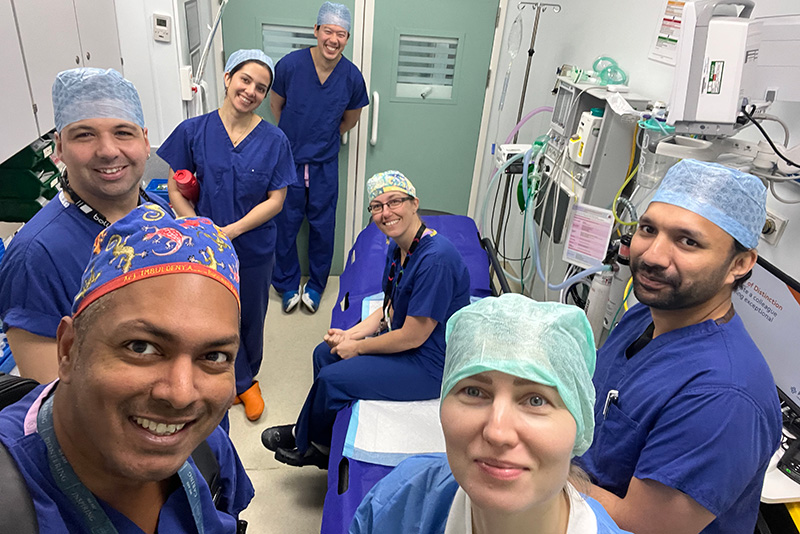
I assess you myself, guide injections in clinic with ultrasound, and can operate when an injection is no longer the right answer, so the advice you get is not tied to one treatment. Whatever we decide, the plan is built around you: your weight, your strength, your sleep, your work and the people who rely on you.
References
- Lohmander LS et al. KANON randomised trial, 11-year results. NEJM Evidence 2023;2(8). doi.org/10.1056/EVIDoa2200287
- Beard DJ et al. ACL SNNAP randomised trial. Health Technology Assessment 2024;28(27). doi.org/10.3310/VDKB6009
- Poulsen E et al. Knee osteoarthritis risk after knee injury, meta-analysis. Br J Sports Med 2019;53:1454-63. doi.org/10.1136/bjsports-2018-100022
- White T et al. Quadriceps, hamstring and patellar tendon grafts, meta-analysis of randomised trials. Knee Surg Sports Traumatol Arthrosc 2026;34(5):1631-46. doi.org/10.1002/ksa.12755
- Mouarbes D et al. Quadriceps tendon versus other grafts, meta-analysis. Am J Sports Med 2019;47(14):3531-40. doi.org/10.1177/0363546518825340
- Petit CB et al. Graft failure by graft type in patients aged 25 and under. Am J Sports Med 2026;54(9):2300-12. doi.org/10.1177/03635465261415842
- Snaebjörnsson T et al. Graft diameter and revision, Swedish national register, 2,240 patients. Am J Sports Med 2017;45(9):2092-7. doi.org/10.1177/0363546517704177
- Mo IF et al. One versus two hamstring tendons, randomised trial at 8 years. Am J Sports Med 2025;53(9):2145-53. doi.org/10.1177/03635465251344106
- Kuliński K et al. Four-strand semitendinosus versus semitendinosus and gracilis, randomised trial. Am J Sports Med 2023;51(3):615-26. doi.org/10.1177/03635465221149738
- Wasserstein D et al. Allograft versus autograft in young or active patients, meta-analysis. Sports Health 2015;7(3):207-16. doi.org/10.1177/1941738115579030
- Tejwani SG et al. Allograft revision risk by age and processing. Am J Sports Med 2015;43(11):2696-705. doi.org/10.1177/0363546515589168; Kleinsmith RM et al. Allograft versus own tendon in patients over 40. Arthroscopy 2025;41(7):2412-8. doi.org/10.1016/j.arthro.2024.09.034
- Getgood AMJ et al. STABILITY randomised trial. Am J Sports Med 2020;48(2):285-97. doi.org/10.1177/0363546519896333
- Getgood A et al. STABILITY functional outcomes. Arthroscopy 2020;36(6):1690-1701. doi.org/10.1016/j.arthro.2020.02.015; Heard M et al. STABILITY adverse events. J ISAKOS 2023;8(4):246-54. doi.org/10.1016/j.jisako.2022.12.001
- D'Ambrosi R et al. Anterolateral procedures, meta-analysis of randomised trials. Am J Sports Med 2025;53(10):2462-70. doi.org/10.1177/03635465241285887
- Castoldi M et al. Patellar tendon reconstruction with and without LET, 19-year randomised trial. Am J Sports Med 2020;48(7):1665-72. doi.org/10.1177/0363546520914936
- Gkekas NK et al. LET and long-term osteoarthritis, meta-analysis. J Bone Joint Surg Am 2026;108(3):193-201. doi.org/10.2106/JBJS.25.00907
- Conde RB et al. Suture tape augmentation, meta-analysis. Am J Sports Med 2026;54(6):1479-94. doi.org/10.1177/03635465251400346
- Dhillon J et al. Suture tape augmentation, systematic review. Arthroscopy 2024;40(9):2494-503. doi.org/10.1016/j.arthro.2024.01.026
- Grindem H et al. Delaware-Oslo cohort, return to sport and reinjury. Br J Sports Med 2016;50(13):804-8. doi.org/10.1136/bjsports-2016-096031
- Beischer S et al. Return before 9 months and second ACL injury. J Orthop Sports Phys Ther 2020;50(2):83-90. doi.org/10.2519/jospt.2020.9071
- Webster KE et al. Younger age and further ACL injury. Am J Sports Med 2014;42(3):641-7. doi.org/10.1177/0363546513517540
- Montalvo AM et al. ACL injury incidence by sex and sport, meta-analysis. J Athl Train 2019;54(5):472-82. doi.org/10.4085/1062-6050-407-16
- Chia L et al. Non-contact ACL injury in team ball sports, meta-analysis. Sports Med 2022;52(10):2447-67. doi.org/10.1007/s40279-022-01697-w
- Hale ME et al. Sex and outcomes after ACL reconstruction, MOON studies. Am J Sports Med 2026;54(5):1226-37. doi.org/10.1177/03635465251386027
- Wiggins AJ et al. Second ACL injury in young athletes, meta-analysis. Am J Sports Med 2016;44(7):1861-76. doi.org/10.1177/0363546515621554
- Ardern CL et al. Return to sport after ACL reconstruction, 69 studies. Br J Sports Med 2014;48(21):1543-52. doi.org/10.1136/bjsports-2013-093398
Patient Experience
ACL Treatment Under Specialist Care
Independent Doctify reviews reflecting consultant-led assessment, treatment and rehabilitation for ACL injuries.