
Request an appointment
Reserve your spot with our team in just minutes.
Other Knee Treatments
Meniscus Repair in London
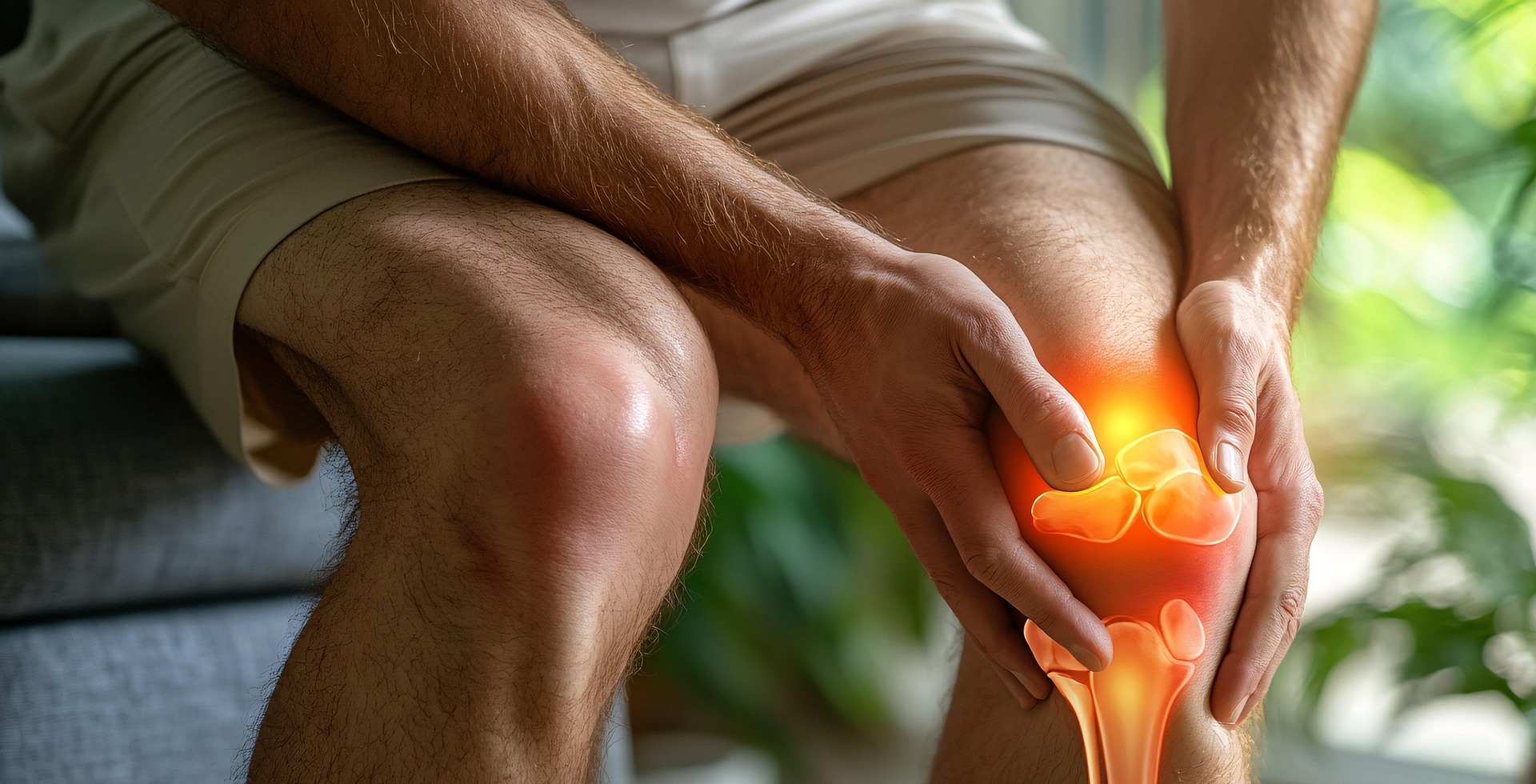
The meniscus is your knee’s shock absorber, two crescents of fibrocartilage that distribute load, protect the joint surface, and stabilise the knee through every step, twist and landing of your life. When a meniscus tears, the most important decision is not whether to operate. It is whether the tear can be repaired and preserved, managed without surgery altogether, or, only when neither is possible, carefully trimmed.
I am a consultant orthopaedic knee surgeon in London with a specialist interest in advanced meniscus and cartilage surgery. My position is simple: I repair and preserve the meniscus wherever it is biologically possible, because the evidence is clear that the more meniscus you keep, the better your knee ages.
Free 60-second assessment
How old are your knees?
Your knees have a biological age, and it is often not the age on your passport. Of the people who have taken this test, 55 per cent found their knees were older than they are, and one in eight by ten years or more. Sixty seconds, free, and you get one number and the single change that would take the most years off it.
Find my Knee Age, free →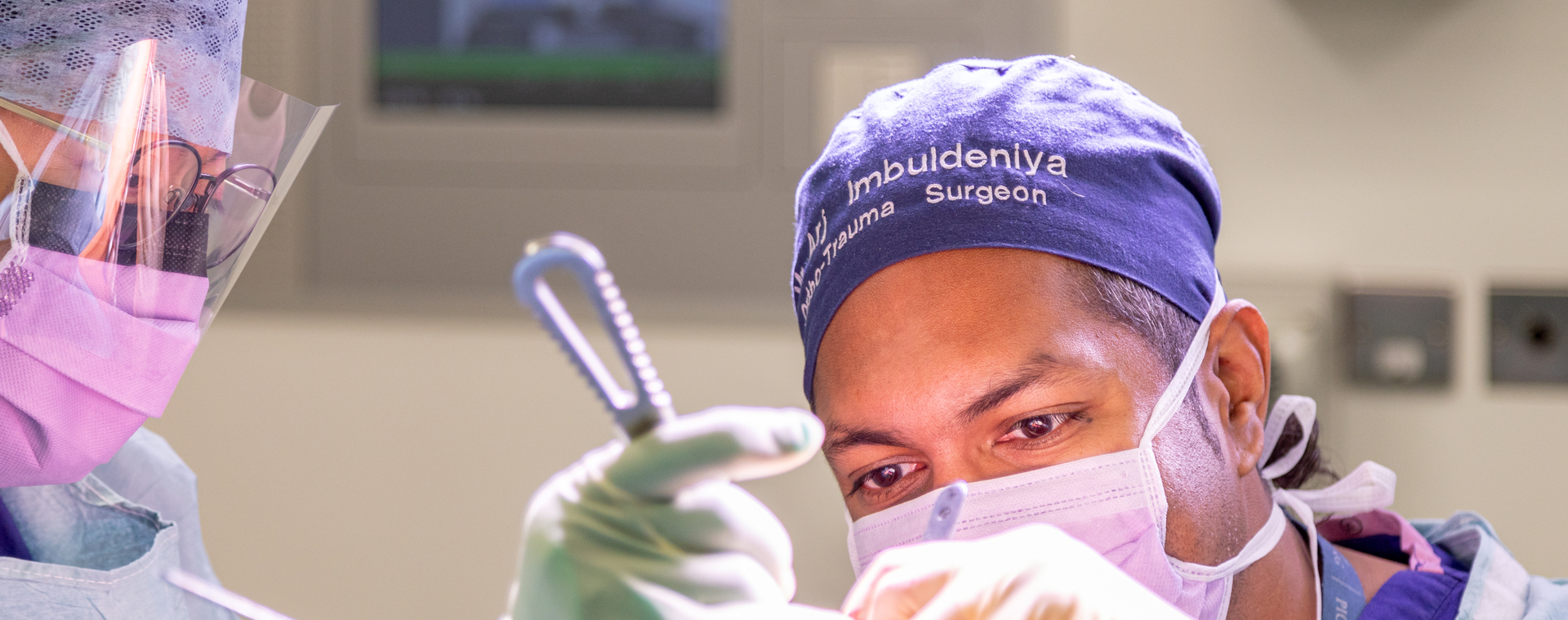
Why preserving your meniscus matters
For decades, the standard answer to a torn meniscus was to remove the damaged portion, a partial meniscectomy. It is a quick operation with a fast early recovery, and it still has a limited place. But we now understand its long-term cost. Every segment of meniscus removed increases the contact pressure on the articular cartilage beneath it, and a knee that loses meaningful meniscal tissue in its thirties or forties carries a measurably higher risk of osteoarthritis in its fifties and sixties.
A successful repair, by contrast, restores the anatomy you were born with. The recovery is slower, healing tissue must be protected, but the knee you get back is structurally whole. For a younger or active patient, and increasingly for the right tear in older patients too, that trade is worth making. This is joint longevity thinking applied to a single decision: the choice made in theatre today shapes the joint you are living with in twenty years.
As a meniscus specialist I would far rather repair and preserve your meniscus than remove it, and the honest framework below explains when each is the right call.
Repair, removal, or no surgery at all, an honest framework
Meniscus care goes wrong in two opposite directions. Some patients are rushed into surgery for degenerative tears that large, well-conducted trials tell us do just as well with structured strength rehabilitation, an operation they never needed. Others are held in months of physiotherapy for an unstable, repairable tear while the window in which it can be successfully repaired quietly closes, an operation they urgently needed, delayed until it was no longer possible.
Both failures come from the same root: the decision being made by someone who can only offer one of the options. As a surgeon who both operates at a high volume and runs a structured non-surgical programme, I have no incentive to push you in either direction. Around 90% of patients who came thinking they needed surgery didn’t end up needing it. When repair is the right answer, I will tell you plainly, and when it isn’t, I will tell you that too.
At a Glance
Benefits of Arthroscopic Meniscus Repair Treatment
-
Pain reduction & symptom relief Helps stop mechanical symptoms such as locking or giving way.
-
Joint preservation Repairing viable meniscus can slow future osteoarthritis and degeneration.
-
Minimally invasive 1 cm portals, less tissue disruption and typically faster recovery.
-
Tailored technique Four complementary repair methods chosen to suit tear pattern and location.
-
Early mobilisation Same-day walking in most cases with a clear rehab plan.
Which tears can be repaired?
Repairability is a biological question before it is a technical one. The outer third of the meniscus has a blood supply and heals well; tears here, particularly fresh, traumatic, vertical tears in younger patients, are excellent repair candidates. Tears extending into the middle zone can often still be repaired with modern techniques and biological augmentation. Certain patterns matter disproportionately: root tears, where the meniscus detaches from its anchor point and the whole structure stops working, behave like a total meniscectomy if left alone and deserve repair in the right patient; ramp lesions at the back of the medial meniscus frequently accompany ACL injuries and are easily missed without deliberate inspection; bucket-handle tears that lock the knee need urgent assessment, because timing determines whether the displaced fragment can be saved.
Age alone does not rule out repair. Tissue quality, tear pattern, alignment, stability and your goals all weigh in the decision, which is why it is made properly in clinic, with your scan and your examination together, not from an MRI report alone.
Tears that cause mechanical symptoms, a knee that locks, catches or gives way, are often the ones where timely surgical assessment matters most, because a trapped fragment can damage the joint surface it moves against.
Root tears deserve particular mention. When the meniscus tears at its root, the anchor point where it attaches to the bone, it stops working as a shock absorber altogether, and the joint begins to wear as if the meniscus were not there. Root tears are frequently missed on scans and in clinic, yet repairing them, where the joint surface still allows it, is one of the most valuable operations in knee preservation. Meniscus repair, including root repair, is one of my specialist interests.
And as with every decision in my practice, the plan is bespoke: no two meniscus tears, and no two people carrying them, are ever quite the same, so no two treatment pathways are either.
Key Information About Private Meniscus Tear Treatment in London
Surgery isn’t always necessary. First-line care is physiotherapy. AMR is considered when symptoms persist (pain, tenderness, locking, giving way, trouble squatting/turning) and when the tear pattern and location are suitable for repair. Success is higher in patients under 40, without arthritis, with BMI < 30 and good engagement in rehab.
Usually performed by Dr Arj Imbuldeniya under general or spinal anaesthesia. Duration is typically 20 to 60 minutes. Two small portals are made; the knee is irrigated; the tear is assessed and prepared; sutures or devices secure the repair (technique based on tear site: all-inside for posterior horn, outside-in for anterior horn, root repair for root tears, etc.). Local anaesthetic is placed before closure.
Same-day walking and discharge in most cases, often with crutches for comfort. Keep the leg elevated initially and use ice for swelling. Begin guided exercises immediately to restore range and strength. After repair: avoid loading beyond 90° knee flexion while healing; return to sport is typically around 4 months. After partial meniscectomy (if required): no brace, faster ROM, sport in 5 to 6 weeks.
If a tear is not repairable (e.g. avascular white-white zone or poor tissue quality), Arthroscopic Partial Meniscectomy (APM) may be advised to remove the torn fragment. Although easier technically and still common worldwide, repair is preferred whenever feasible to preserve meniscus and protect the joint.
How I repair a meniscus
Repair is performed arthroscopically, keyhole surgery through two or three small incisions, using all-inside suture devices, inside-out techniques, or transtibial pull-through fixation for root tears, selected to suit the tear pattern. Where the biology needs support, I augment the repair: preparing the tear bed to stimulate bleeding and healing, and using high-dose, ultrasound-guided platelet-rich plasma in selected cases to support the healing environment in the weeks that follow. Where a meniscus tear occurs alongside an ACL rupture, I repair both at the same operation; a reconstructed ACL protects the meniscal repair, and a repaired meniscus protects the graft.
Recovery after meniscus repair
Repair asks more patience of you than removal, that is the price of keeping the tissue. Most patients use crutches with protected weight-bearing for the early weeks, often with a brace limiting deep flexion while the repair matures. Structured rehabilitation begins immediately, progressing from range of motion to strength to load tolerance. Most people are walking normally within six weeks, back to most daily activities by three months, and returning to sport between four and six months depending on the tear, the sport and the strength work done along the way. Your rehabilitation is planned with the same care as the operation, because the repair only succeeds if the recovery does.
When surgery is not the answer
If your tear is degenerative, the gradual, fraying pattern common from the mid-forties onwards, and your knee is stable, the honest advice is usually that surgery is not your best first move. A structured programme of strength and load management resolves or controls most of these, and protects you from an operation that the evidence does not support. That assessment, and that programme, are available here too. You will not be sold an operation you do not need.
-
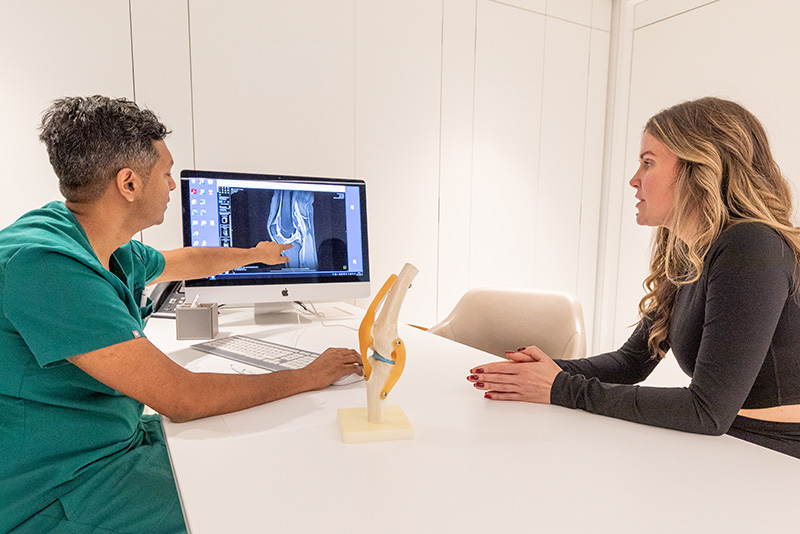
 Initial Consultation Detailed assessment with Dr Arj Imbuldeniya covering symptoms, goals and prior treatment. Indications, options (repair vs partial meniscectomy) and expectations are discussed, with a meniscus-preserving approach where possible.
 -
 Tests and Assessment Imaging (X-ray/MRI) confirms tear pattern, location and suitability for repair. Pre-assessment at the Lister Hospital (Chelsea) or Clementine Churchill Hospital (Harrow) checks medications (including anticoagulants) and plans safe anaesthesia and aftercare.
 -
 The Procedure General or spinal anaesthesia with experienced consultants. Two 1 cm portals are made; the knee is inspected systematically; the tear is prepared to encourage healing and repaired using the most appropriate technique. Local anaesthetic is used at the end. Waterproof dressings and a compression bandage are applied; follow-up is at ~2 weeks for wound check and stitch removal if needed.
Patient stories
Real feedback from our patients
Read feedback from patients who have received treatment for meniscus tears at OrthoLongevity.

Meniscus Repair Excellence
Had a recent surgery to repair a meniscus injury. Dr Arj Imbuldeniya was excellent throughout the process, from the first consultation to post-surgery care. Highly recommend.
James
Torn Meniscus Surgery Success
I recently had surgery to repair a torn meniscus performed by Dr. Imbuldeniya, and I couldn’t be more satisfied with the outcome.
Olga
Worried about a meniscus tear?
Bring your scan, or start from scratch, either way, you will leave with an honest answer about whether your meniscus can be preserved. Consultations with Dr Arj Imbuldeniya are available at Lanserhof at The Arts Club, Mayfair and Cromwell Hospital, London.
Frequently Asked Questions
Tears in the outer, blood-supplied zone can heal, particularly in younger patients, and many degenerative tears become asymptomatic with proper rehabilitation even though the tear itself remains. Unstable tears in the inner zones do not heal unaided, which is why an accurate assessment of your specific tear matters more than any general rule.
Repair stitches the torn tissue back together so it heals and is preserved; meniscectomy removes the torn portion. Removal recovers faster but permanently reduces the knee’s shock absorption and raises long-term arthritis risk. I repair wherever biologically possible.
Typically between forty-five and ninety minutes as a day-case procedure, depending on the tear pattern and whether it is combined with other procedures such as ACL reconstruction.
Not necessarily. Tear pattern, tissue quality and joint condition matter more than your date of birth. Some tears in patients in their fifties are well worth repairing; some tears in younger patients are not repairable. The examination decides, not the birthday.
Promptly, especially if your knee is locking, giving way, or the injury was traumatic. Repairable tears have a window, and a delayed decision can quietly become no decision at all.
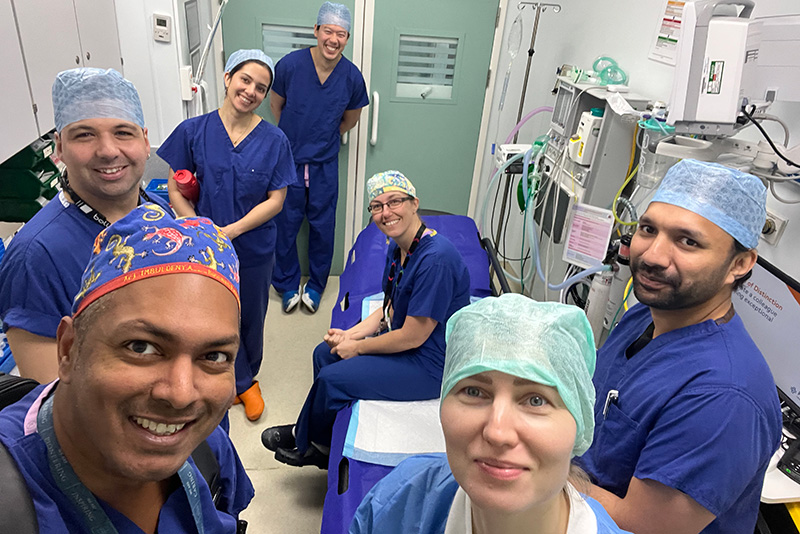
Why Choose OrthoLongevity?
At OrthoLongevity, we deliver care built on innovation, compassion and clinical excellence. Led by Dr Arj Imbuldeniya, our clinic uses advanced therapies within our holistic Ortholongevity™ approach to help patients regain mobility and improve their quality of life. With access to the latest technologies and a dedicated, compassionate team, we focus on finding the right treatment for every individual.
Patient Reviews
What Our Patients Say
Verified Doctify reviews from patients who have received treatment for meniscus tears under the care of Dr Arj Imbuldeniya at OrthoLongevity.