
Request an appointment
Reserve your spot with our team in just minutes.
Other Hip Treatments
Ultrasound Guided Steroid Injections for Arthritis & Hip Pain

What Are Steroid Hip Injections?
Steroid hip injections are a targeted, non-surgical treatment used to reduce pain and inflammation within the hip joint or surrounding structures. They involve injecting a corticosteroid medication directly into the source of inflammation, helping to settle symptoms and improve movement.
These injections are commonly recommended for patients with hip arthritis, bursitis or other inflammatory conditions, particularly where pain is limiting daily activity or slowing progress with rehabilitation. By addressing inflammation at its source, steroid injections can provide effective short-term relief and support a wider treatment plan focused on restoring function and maintaining joint health.

How Cortisone Hip Injections Work
Steroid (cortisone) injections work by delivering a powerful anti-inflammatory medication directly into the hip joint or surrounding bursa. This reduces inflammation, eases pain and can improve your range of motion.
At our clinic, hip joint injections are performed under ultrasound guidance and with local anaesthetic to ensure accurate placement and minimise discomfort.
Targeted Relief for Hip Pain
Benefits of Steroid Hip Injections
-
Rapid pain relief for hip arthritis and bursitis
-
Reduced inflammation and swelling in the hip area
-
Improved mobility and function
-
May reduce reliance on other medicines or stronger painkillers
For many patients, steroid hip injections are part of a wider treatment plan that includes physiotherapy and other supportive care.
Key Information About Steroid Hip Injections
Clear, expert guidance to help you feel confident at every stage.
If you're considering a steroid hip injection, it's natural to have questions about how it works, how long it lasts and what to expect. Below, we’ve answered some of the most common queries to help you make an informed decision about your care.
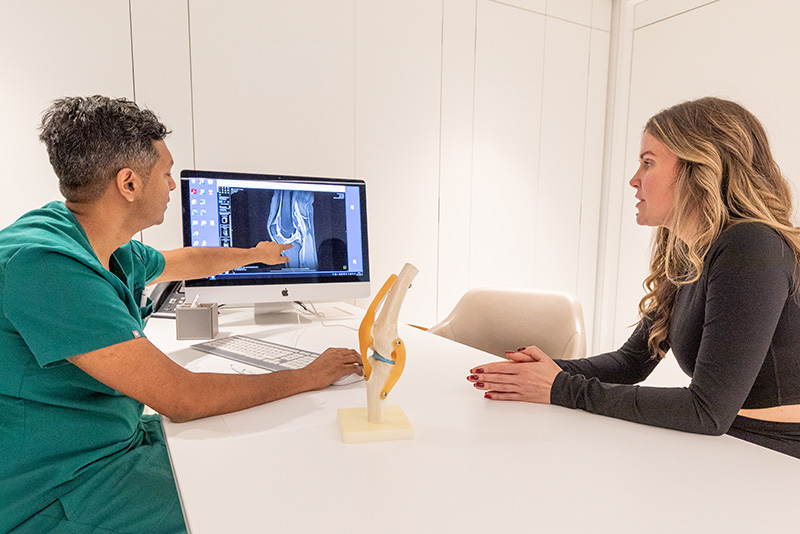
Steroid injections are commonly used to treat hip pain caused by osteoarthritis, rheumatoid arthritis, bursitis and other inflammatory conditions. They are particularly effective where inflammation is a key driver of pain and stiffness. In many cases, they can help patients regain comfort and mobility without needing more invasive treatment.
Relief can vary depending on the individual and the underlying condition. Many patients notice an improvement within a few days, with benefits lasting from several weeks to a few months. While not a permanent solution, injections can provide a valuable window of reduced pain to support rehabilitation and physiotherapy.
Steroid hip injections are generally safe when performed by an experienced specialist under ultrasound guidance. The procedure is quick, and most patients return to normal daily activities within 24 to 48 hours. You may be advised to rest the joint briefly after treatment before gradually returning to your usual routine.
Potential Side Effects
Steroid hip injections are generally safe when performed by an experienced specialist. However, as with any joint injection, there are some risks and side effects:
- Mild discomfort or bruising at the injection site
- Temporary increase in pain for 24 to 48 hours
- Rare risk of infection
- Rare allergic reaction to the medication or local anaesthetic
- Repeated injections may weaken cartilage over time, which is why careful medical advice is important
Steroid injections used in the hip are different from anabolic steroids used for bodybuilding, they are anti-inflammatory medicines for targeted pain relief.
What to Expect During the Procedure
Your cortisone hip injection will be carried out in our clinic as a quick outpatient procedure:
-
 Your specialist will clean the hip area and use local anaesthetic to numb the injection site.
 -
 Using ultrasound, a fine needle is guided into the hip joint or bursa.
 -
 The steroid medication is injected to target inflammation directly.
The procedure usually takes under 20 minutes. You can usually go home shortly afterwards.
Why Choose OrthoLongevity?
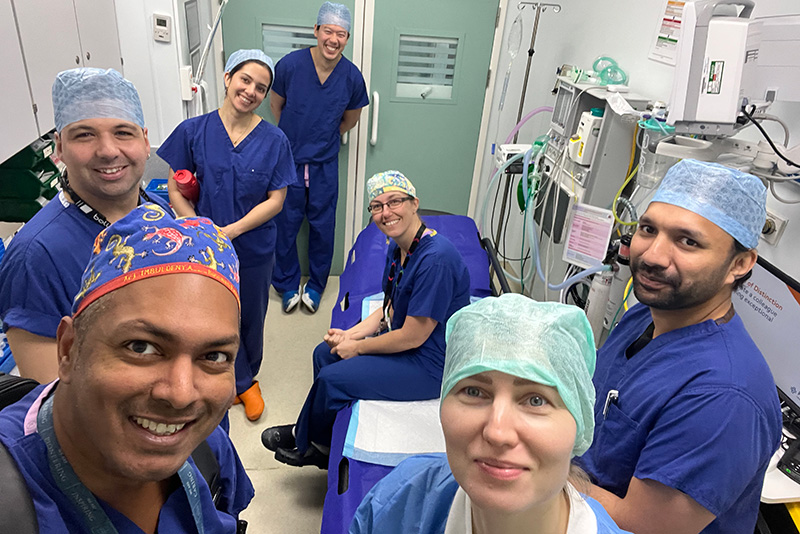
At OrthoLongevity, we deliver care built on innovation, compassion and clinical excellence. Led by Dr Arj Imbuldeniya, our clinic uses advanced therapies within our holistic Ortholongevity™ approach to help patients regain mobility and improve their quality of life. With access to the latest technologies and a dedicated, compassionate team, we focus on finding the right treatment for every individual.
Real Outcomes, Real Patients
Every patient journey is unique. Explore real stories from people we’ve treated, from first consultation through to recovery, and how personalised care has helped them move forward with confidence.

Guided through every step
Every detail was explained and my injections were given in a sensitive and gentle way.
Hip Injections Patient
Options explained
From our very first meeting Dr Arj Imbuldeniya inspired me with confidence.
Ms Boulter
Book Your Consultation
TBC If you're tired of living with knee pain and are interested in learning more about how Arthrosamid® could help, book a consultation today with Dr Imbuldeniya at OrthoLongevity in Mayfair. Our team of experts is here to guide you through your treatment options and provide you with a personalised plan to get you back on your feet.
Frequently Asked Questions
Most patients feel improvement within a few days, with full benefit usually after one to two weeks.
Relief can last from several weeks to a few months. This varies depending on the underlying cause and your overall health.
To minimise risks, we usually limit steroid injections to 3 to 4 per joint each year.
Possible side effects include mild pain at the injection site, temporary flare-ups, infection (rare) or allergic reaction. Your doctor will discuss these before treatment.
Rest the hip for 24 to 48 hours. Avoid strenuous activities and follow your doctor’s physiotherapy advice for the best results.
Yes, many patients combine injections with physiotherapy or other treatments to maintain hip strength and mobility.
You can, but if local anaesthetic was used, your hip may feel numb temporarily. If in doubt, arrange a lift home.
Independent Reviews
Rated by Our Patients
We’re proud of the feedback we receive. Read verified reviews from patients on Doctify, reflecting their experience of our care, communication and clinical outcomes.