
Request an appointment
Reserve your spot with our team in just minutes.
Other Hip Treatments
Strength Training & Nutrition for Knee Health
Many people experience knee pain due to injury, ageing or knee osteoarthritis. As part of our commitment to long-term joint preservation, we provide knee nutrition & conditioning advice from a knee specialist, helping patients reduce pain, improve mobility and support durable joint health.
Optimising strength and nutrition is not simply about symptom relief. It is about maintaining healthy joints, reducing pain and stiffness, supporting cartilage health and protecting overall function for the long term.
What is the Treatment
This service provides structured, evidence-based knee nutrition & conditioning advice from a knee specialist, tailored to your individual joint health, symptoms and activity goals.
It combines targeted strength conditioning programmes with joint-supportive nutritional guidance, anti-inflammatory dietary strategies, weight and metabolic health considerations, and injury prevention or post-injury optimisation. Each plan is individualised following clinical assessment to ensure it aligns with your diagnosis and long-term joint goals.
Where appropriate, this treatment may form part of a wider Ortholongevity™ approach focused on preserving joint function and delaying or avoiding surgery.
How it Works
Knee pain is often influenced by two modifiable factors: the mechanical load placed on the joint and the inflammatory environment surrounding it.
By improving muscle strength and joint stability, we reduce excessive strain on the knee. By optimising nutrition and hydration, we support cartilage cell health, reduce inflammatory drivers and promote better tissue recovery.
This dual approach improves knee stability, reduces joint overload, enhances mobility and may slow progression of degenerative change where possible.
Why It Matters
Benefits
-
Reduced knee pain and stiffness
-
Improved joint stability and balance
-
Better muscle support around the knee
-
Enhanced mobility and confidence in movement
-
Support for managing knee osteoarthritis
-
Improved long-term joint health
-
Potential delay or avoidance of surgical intervention where appropriate
Key Information About Treatment
A balanced diet for knee health should include adequate hydration to support joint lubrication and reduce stiffness. Key nutrients such as Vitamin C, Vitamin D and Omega-3 fatty acids help support cartilage health and inflammation control. Healthy fats and quality proteins assist muscle recovery and joint tissue repair.
Anti-inflammatory foods including turmeric, ginger, broccoli, leafy vegetables and berries may help reduce joint pain and swelling. A Mediterranean-style dietary pattern rich in olive oil, nuts and seeds, fatty fish and dairy products can support both bone and joint health. Calcium from dairy, leafy greens and fortified foods contributes to bone integrity. In selected patients with knee osteoarthritis, glucosamine and chondroitin may support cartilage integrity.
All nutritional advice is tailored during consultation based on your clinical findings and lifestyle.
Muscle strength around the knee joint is essential for stability, mobility and injury prevention. Strengthening the core, gluteal muscles, quadriceps, hamstrings and calf muscles improves joint support and reduces strain across the knee.
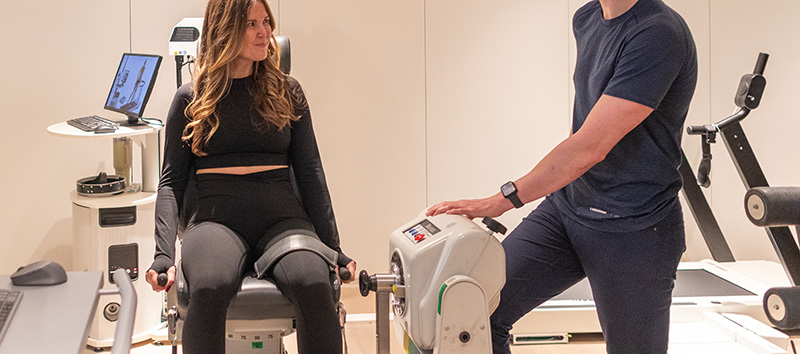
Programmes typically incorporate twice-weekly strength training, proprioception and balance work, and endurance-based or low-impact cardiovascular exercise. Where appropriate, weight optimisation is also addressed to reduce joint load. Each conditioning plan is adapted to your symptoms, imaging findings and activity level.
Potential Side Effects
As this is a non-invasive, conservative approach, risks are minimal. However, over-training can temporarily increase discomfort, rapid dietary changes may cause short-term digestive symptoms, and incorrect exercise technique can aggravate an existing injury. Specialist guidance helps minimise these risks and ensures exercises are progressed safely.
What to Expect from Treatment
-
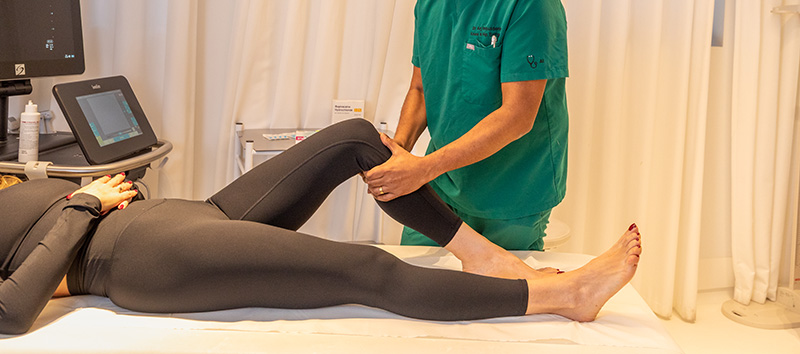
Detailed assessment of your knee condition and medical history -

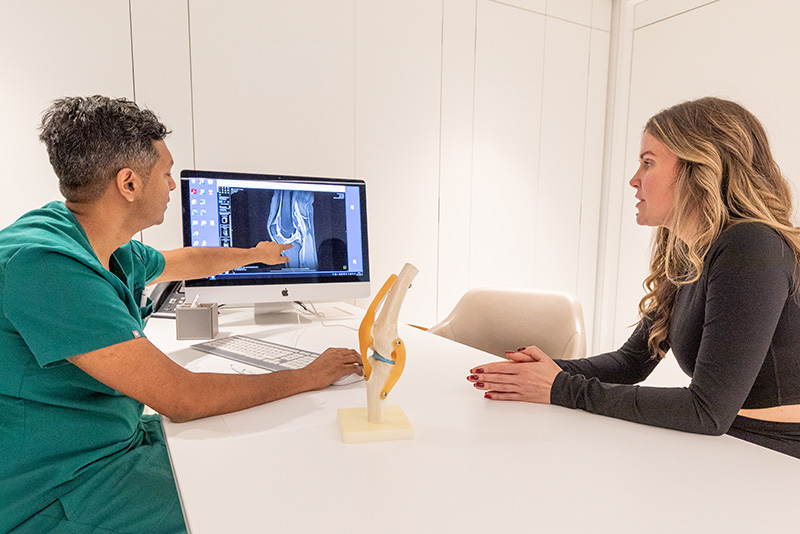
Review of imaging where relevant -
Discussion of your activity levels, goals and dietary patterns -
Development of a structured, progressive conditioning and nutrition strategy -
Follow-up reviews to monitor progress and adjust your plan
Your programme will evolve as your strength improves and symptoms change, ensuring continued progression and long-term joint protection.
Book Your Specialist Consultation
If hip pain is limiting your movement or quality of life, a specialist consultation can help clarify your options.
Book a consultation with Dr Arjuna Imbuldeniya to discuss whether PRP hip injections are right for you.
Why Choose The West London Knee and Hip Clinic?
At The West London Knee and Hip Clinic, we deliver care built on innovation, compassion and clinical excellence. Led by Mr Arjuna Imbuldeniya, our clinic uses advanced therapies within our holistic Ortholongevity™ approach to help patients regain mobility and improve their quality of life. With access to the latest technologies and a dedicated, compassionate team, we focus on finding the right treatment for every individual.
What Our Patients Say
Read verified feedback from patients who have received specialist knee care at our clinic.
Structured care and practical guidance
I’m glad that I met Dr. Imbuldeniya for my knee problem. The consultation with him has always been very well structured, and he gave me a practical maintenance plan on my knee. I highly recommend him
J.H
A focused plan with real results
Dr.Imbuldeniya recommended a programme of focused physio and weight-training. This has helped considerably - my knees are now virtually pain-free.
Ms Gibbons
Frequently Asked Questions
Yes. Diet influences inflammation, tissue repair and body weight, all of which affect knee joint loading and symptoms.
Yes. Strength and nutrition optimisation form a key part of conservative management for knee osteoarthritis.
In some cases, optimising strength and metabolic health may delay or reduce the need for surgery. Where surgical treatment is required, conditioning improves outcomes.
Many patients notice improvements in strength and confidence within 6–8 weeks, though long-term joint preservation requires sustained commitment.
Patient Outcomes
Real Results from Personalised Knee Care
Patient feedback highlighting the impact of structured conditioning, clear guidance and specialist-led plans designed to reduce pain, improve movement and support long-term joint health.