
Request an appointment
Reserve your spot with our team in just minutes.
Other Hip Treatments
Hip Replacement Recovery in London: What to Expect
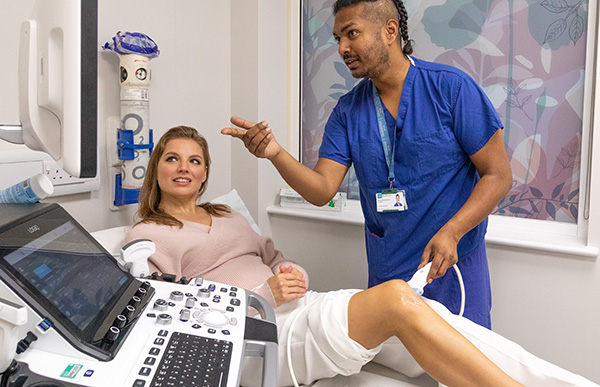
Most people are up and walking with support on the day of a hip replacement and home within one to three days. With a muscle-sparing anterior approach, the early weeks are often quicker because the muscles around the hip are parted rather than cut. Most patients walk without aids within a few weeks and are back to normal daily life by six to twelve weeks, with the joint continuing to settle over the first year.
How long does it take to recover from a hip replacement?
Recovery happens in stages, and knowing the stages takes the anxiety out of it. In the first days you will stand and walk with support, usually on the same day as your operation, and most people go home within one to three days. Over the first two to six weeks you move from crutches or sticks to walking unaided as the soft tissues heal and confidence returns. By six to twelve weeks most patients are back to ordinary daily life, driving and light activity. The joint then continues to settle and strengthen over the remainder of the first year. These are typical milestones, not a timetable you are failing if you sit slightly behind them, because recovery is personal.
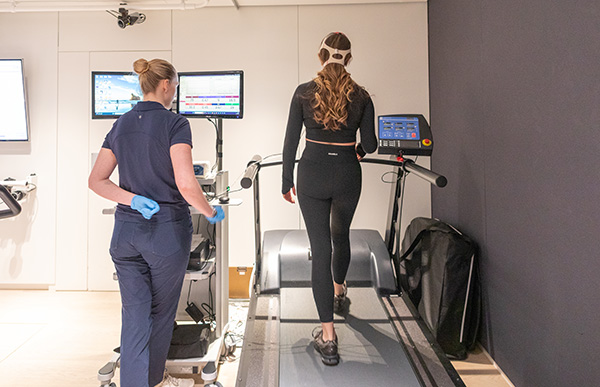
Recovery week by week: a realistic picture
The first fortnight is about the basics done well: managing pain sensibly, protecting the wound, moving little and often, and doing the gentle exercises that keep the hip mobile and the muscles switched on. Weeks two to six are where independence returns, sticks are put away and walking distance builds. From six weeks onward the focus shifts from getting through the day to getting stronger, rebuilding the muscle that surgery and the arthritis before it will have cost you. Formal strengthening is what turns a hip that works into a hip you forget about. I would rather you did less, earlier and consistently, than too much in bursts.
Why the surgical approach affects your recovery
How the hip is reached matters to how quickly you recover in the early weeks. A muscle-sparing anterior approach works between the muscles rather than cutting through them, which tends to mean less early pain and a faster return to comfortable walking in suitable patients. It is not right for everyone, and by around a year most well-done hip replacements reach a similar destination whichever approach is used. The honest position is that the approach buys you a smoother start, and that is worth having, but it is the operation being done well and the rehabilitation being done properly that decide the long-term result.
At a Glance
Getting the most from your recovery
The patients who recover best are rarely the fittest to start with. They are the ones who follow the plan, do the strengthening and are honest about how it is going. Your plan is written around you: your starting strength, your other health, your home and stairs, your work, and who you are caring for while you heal. Two people can have the same operation on the same day and need quite different recoveries, and pretending otherwise helps nobody. My job is to set milestones that are realistic for your life, not for an ideal patient who does not exist.
When to seek advice during your recovery
Some things are normal and some are not, and knowing the difference lets you relax into the rest. Swelling, bruising and tiredness are expected and settle with time. Increasing pain rather than easing pain, redness or heat around the wound, a fever, or a calf that becomes swollen and painful are reasons to make contact promptly rather than wait and see. You will always have a direct route back to my team, because recovery goes better when you are not left guessing.
Frequently Asked Questions
Most people walk with support on the day of surgery, go home within one to three days, and are walking unaided within a few weeks. By six to twelve weeks most are back to normal daily life, with the joint continuing to strengthen over the first year.
Usually one to three days. Some suitable patients go home the day after surgery. It depends on your general health, how the operation goes and how quickly you are safely mobile and comfortable.
Most patients move from crutches or sticks to walking unaided somewhere between two and six weeks, guided by comfort and confidence rather than a fixed date. A muscle-sparing approach can bring this forward in suitable patients.
Typically around six weeks, once you can move freely, are off strong painkillers and can perform an emergency stop safely. It is worth checking with your insurer, and the exact timing is individual.
It often means a smoother early recovery, with less early pain and quicker comfortable walking in suitable patients, because the muscles are spared rather than cut. By around a year most well-done hip replacements reach a similar result whichever approach was used.
Follow the plan, do the strengthening consistently, and build up steadily rather than in bursts. The plan is tailored to your starting point and your life. You can discuss yours on 0207 859 4016 or at admin@ortholongevity.co.uk.
Why Choose OrthoLongevity?
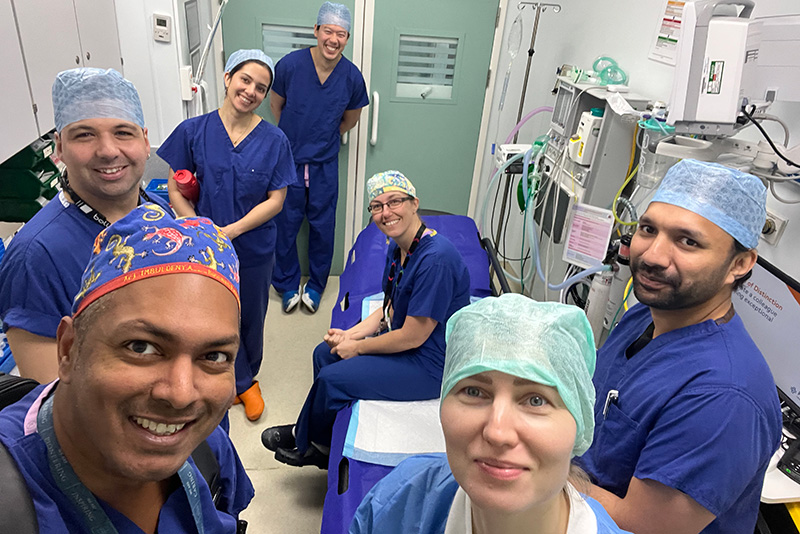
At OrthoLongevity, we deliver care built on innovation, compassion and clinical excellence. Led by Dr Arj Imbuldeniya, our clinic uses advanced therapies within our holistic Ortholongevity™ approach to help patients regain mobility and improve their quality of life. With access to the latest technologies and a dedicated, compassionate team, we focus on finding the right treatment for every individual.
Patient Reviews
What Our Patients Say
Verified Doctify reviews from patients treated by Dr Arj Imbuldeniya at OrthoLongevity.