
Request an appointment
Reserve your spot with our team in just minutes.
Other Hip Treatments
Clicking & Snapping Hip Treatment in London
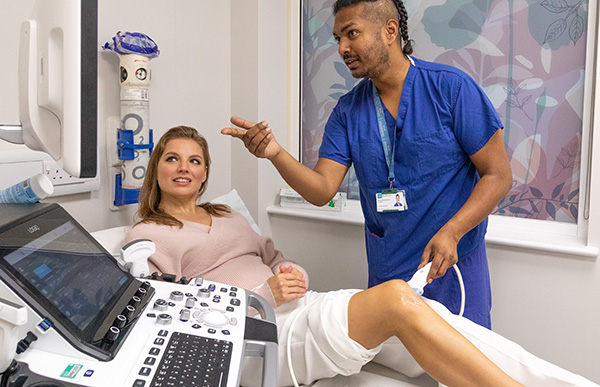
A clicking or snapping hip is usually a tendon moving over bone, not a joint falling apart. Most cases are harmless and settle with the right movement and load work. When a click comes with pain, catching or a sense of the hip giving way, it can point to a labral tear or impingement that deserves a proper look. I sort the noise from the signal, then treat only what needs treating.
Why does my hip click?
Most hip clicking is mechanical and harmless. A tight tendon, usually the iliotibial band on the outside of the hip or the iliopsoas at the front, flicks across a ridge of bone as you move, and you feel or hear a snap. It is common in dancers, runners and anyone who has ramped up their training or who spends long hours sitting. The noise itself is not damage. It is a tendon doing something slightly noisy on its way past bone. The reassurance most patients need to hear is that a hip can be entirely healthy and still click all day long.
External, internal or inside the joint: the three kinds of snapping hip
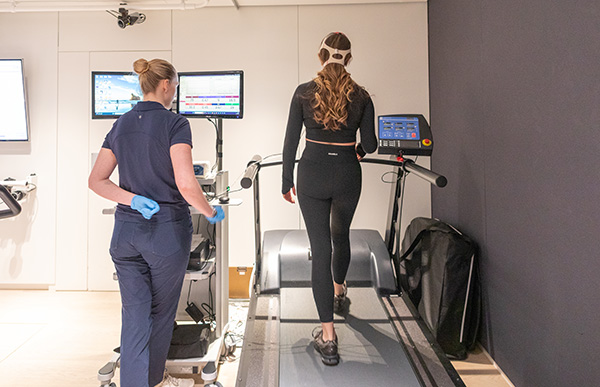
There are three patterns, and telling them apart is the whole game. External snapping comes from the iliotibial band on the outer hip and is often the one you can reproduce yourself by rotating the leg. Internal snapping comes from the iliopsoas tendon at the front of the groin and tends to click as you lift the knee up from a bent position. The third kind comes from inside the joint itself, usually a labral tear or a loose fragment, and this is the one that matters. The first two are noises. The third can be a signal.
When a clicking hip is nothing to worry about
If your hip clicks but does not hurt, does not catch and does not give way, it almost never needs surgery and often needs no treatment at all. A painless click is a mechanical quirk, not a diagnosis. Where it does bother you, the fix is rarely the joint and almost always the soft tissue around it: releasing a tight band, rebalancing the muscles that control the hip, and correcting the training or sitting pattern that set it off. This is unglamorous work and it is usually enough.
At a Glance
When a clicking hip needs a proper look
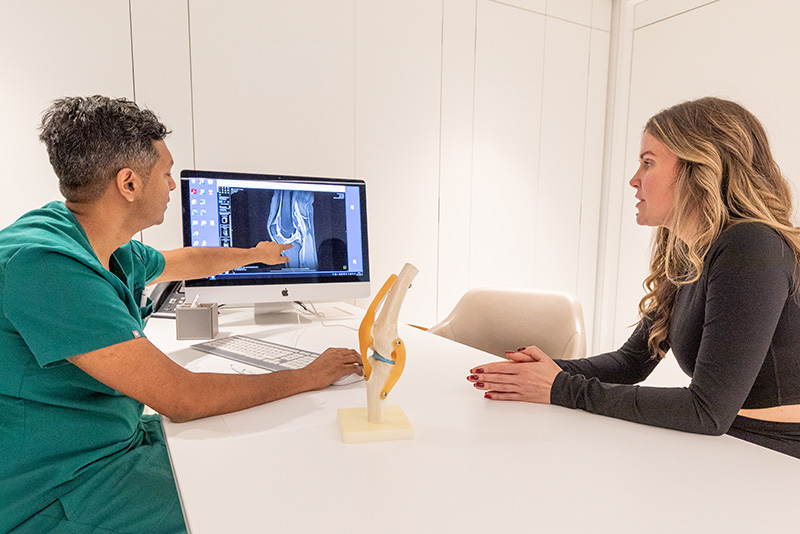
A click that comes with pain, catching, locking or a feeling that the hip might give way is worth investigating. Those symptoms can point to a labral tear or to hip impingement, where the shape of the ball and socket pinches the labrum as the joint moves. Here I would examine you and, where the story fits, arrange a scan to look inside the joint rather than guess. This is a two-sided failure I see constantly. Painless clicks get sent for scans and surgery they never needed, while genuinely torn labra get dismissed as harmless noise for years. The job is to know which one is sitting in front of me.
How I treat a snapping hip
Treatment follows the cause, not the sound. For a tight-band external snap or an iliopsoas internal snap, the pathway is targeted physiotherapy to restore length and control, sensible load management, and where a specific tendon or bursa is inflamed and will not settle, an ultrasound-guided injection to calm it while the rehabilitation does the lasting work. For a true cause inside the joint, the plan is built around the scan findings and may involve hip-preserving keyhole surgery in the right, carefully selected patient. No two snapping hips leave with the same plan, because no two patients arrive with the same joint, the same training history or the same life to fit their recovery around. That is deliberate, not incidental.
Frequently Asked Questions
Usually not. A hip that clicks without pain, catching or giving way is almost always a harmless tendon movement and needs no treatment. It becomes worth investigating when the click comes with pain or a sense that the hip might give way.
Because a tendon is flicking over bone as the joint moves. The iliotibial band on the outer hip and the iliopsoas tendon at the front are the two usual culprits, and both are soft-tissue issues rather than joint damage.
Often, yes. Many snapping hips settle once the tight tendon is released, the muscles around the hip are rebalanced and the training or sitting pattern that triggered it is corrected. Structured physiotherapy speeds this up.
See someone if the click is painful, if the hip catches, locks or feels like it might give way, or if it is stopping you training or sleeping. Those features can signal a labral tear or impingement that benefits from a scan and a proper assessment.
Rarely. The great majority are treated without surgery. Surgery is only considered when a scan shows a cause inside the joint, such as a labral tear in a suitable patient, and even then it is keyhole and hip-preserving, not a replacement.
It depends on the cause. For soft-tissue snapping it is physiotherapy, load management and occasionally an ultrasound-guided injection. For a cause inside the joint it is guided by the scan. You can book an assessment on 0207 859 4016 or at admin@ortholongevity.co.uk.
Why Choose OrthoLongevity?
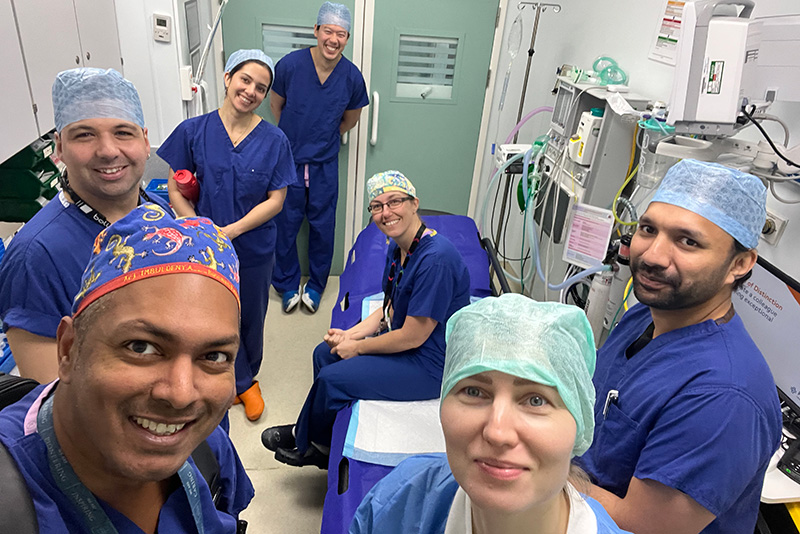
At OrthoLongevity, we deliver care built on innovation, compassion and clinical excellence. Led by Dr Arj Imbuldeniya, our clinic uses advanced therapies within our holistic Ortholongevity™ approach to help patients regain mobility and improve their quality of life. With access to the latest technologies and a dedicated, compassionate team, we focus on finding the right treatment for every individual.
Patient Reviews
What Our Patients Say
Verified Doctify reviews from patients treated by Dr Arj Imbuldeniya at OrthoLongevity.