
Request an appointment
Reserve your spot with our team in just minutes.
Other Knee Treatments
Patellar Instability Treatment in London
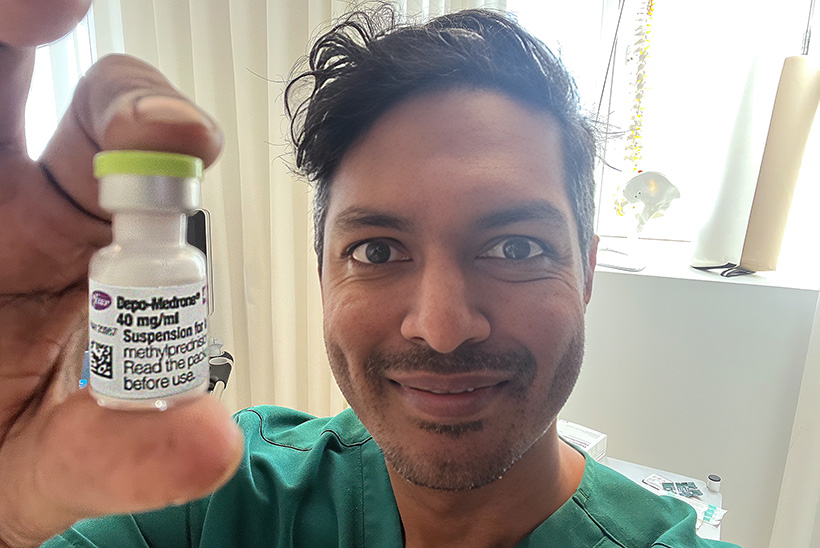
Restoring Strength, Alignment and Confidence to Your Knee
Kneecap instability, also known as patellar instability, occurs when the kneecap moves out of its natural position in the femoral groove. This can cause discomfort, weakness, or even dislocation. While for some patients it’s a one-time event caused by trauma, others experience recurring kneecap dislocations due to muscle imbalance, ligament laxity, or structural misalignment.
At OrthoLongevity, we provide accurate diagnosis and personalised treatment, from physiotherapy to advanced reconstruction, to restore stability and prevent further injury.
Free 60-second assessment
How old are your knees?
Your knees have a biological age, and it is often not the age on your passport. Of the people who have taken this test, 55 per cent found their knees were older than they are, and one in eight by ten years or more. Sixty seconds, free, and you get one number and the single change that would take the most years off it.
Find my Knee Age, free →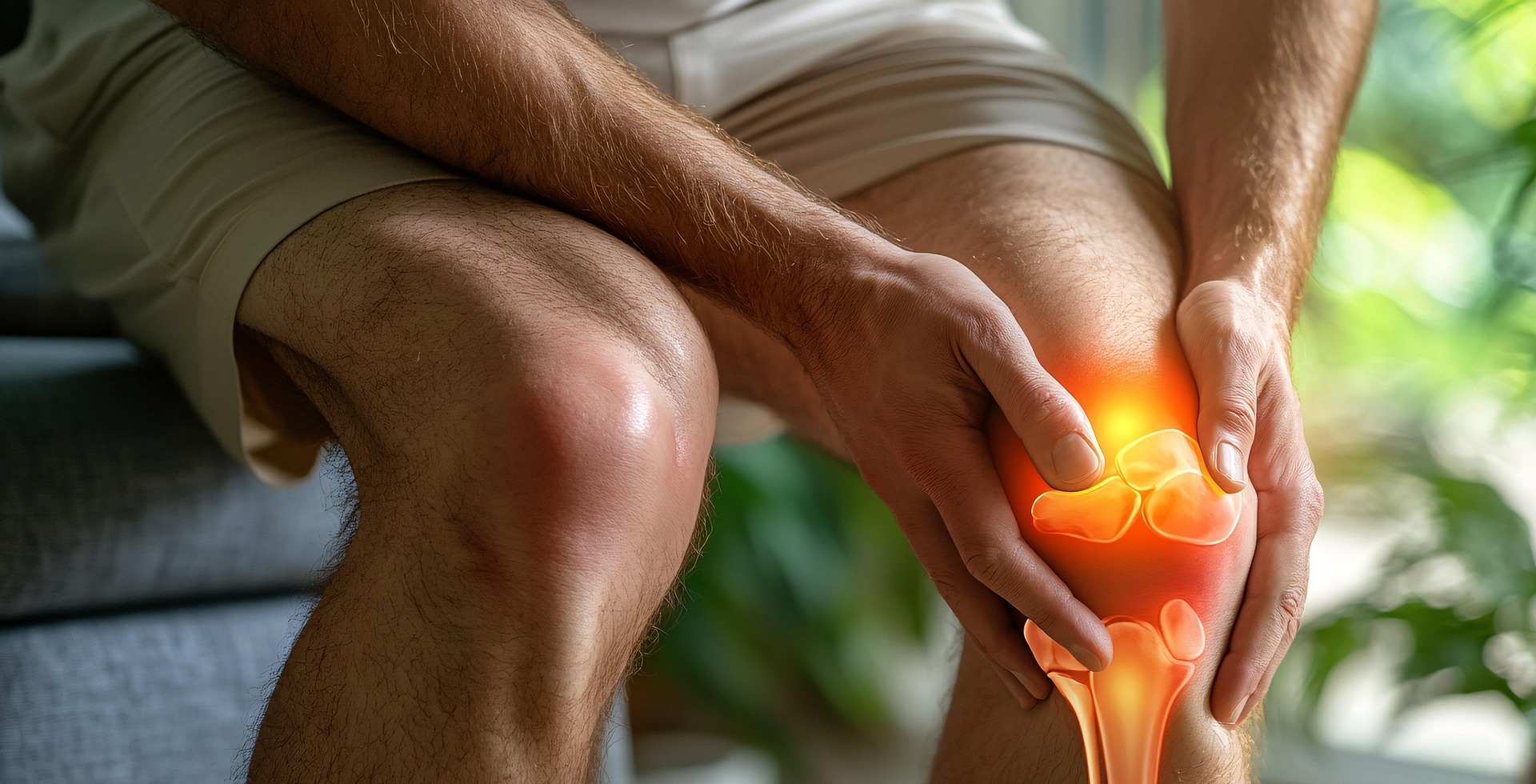
Understanding Kneecap Instability
The kneecap (patella) is designed to glide smoothly in a groove at the end of the thighbone (femur). When this movement is disrupted, the kneecap may shift out of alignment, a condition called patellar maltracking, or in more severe cases, dislocate completely.
This instability can cause sharp pain, swelling, and difficulty walking. Over time, repeated dislocations can damage the cartilage behind the patella, leading to long-term pain and early arthritis if left untreated.
What Is the Treatment?
Treatment for kneecap instability focuses on restoring proper alignment and control of the patella as it moves within the knee joint. The aim is to prevent further episodes of slipping or dislocation, reduce pain and swelling, and protect the cartilage behind the kneecap from long-term damage.
At OrthoLongevity, treatment is always tailored to the underlying cause of instability. This may include targeted physiotherapy to correct muscle imbalance and improve control, bracing to support patellar tracking, or surgical intervention where structural factors are contributing to recurrent instability. Surgery is only considered when non-surgical options are unlikely to provide lasting stability.
How the Treatment Works
Treatment begins with a detailed assessment to understand why the kneecap is unstable. This includes analysing alignment, muscle strength, ligament integrity and imaging such as X-rays or MRI where needed. Addressing the root cause is key to achieving a stable, long-term outcome.
Non-surgical treatment typically works by strengthening the muscles that guide the kneecap, improving movement patterns and reducing stress on the joint. Where surgery is required, procedures are designed to stabilise the kneecap by reconstructing or tightening key ligaments, correcting alignment, or addressing cartilage damage. In all cases, treatment is supported by a structured rehabilitation programme to restore confidence, strength and normal knee function.
Common Symptoms of Patellar Instability
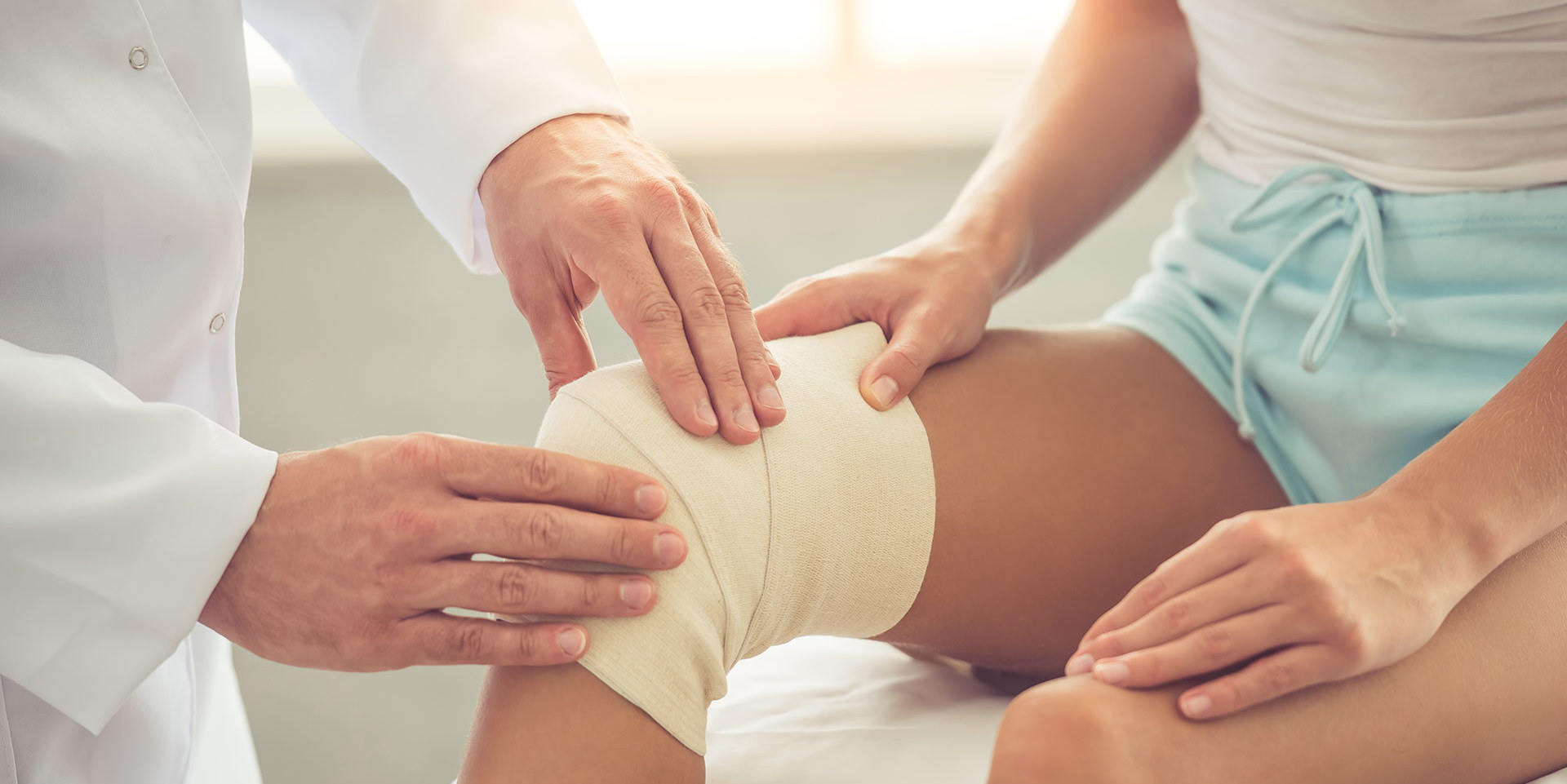
Typical symptoms include:
- Knee pain or discomfort during movement
- A feeling that the kneecap is slipping or shifting out of place
- Swelling or tenderness around the joint
- Difficulty bearing weight or climbing stairs
- Episodes of full kneecap dislocation
Symptoms often worsen during twisting, squatting, or rapid directional changes, and can even occur during normal activities such as standing or walking downhill.
Stability Matters
Benefits of Kneecap Instability Treatment
-
Prevents repeat dislocations Strengthening and stabilisation reduce future risk.
-
Restores knee function Corrects misalignment and improves patellar tracking.
-
Reduces pain and swelling Relieves strain on ligaments and cartilage.
-
Protects long-term joint health Prevents cartilage wear and patellofemoral arthritis
-
Personalised rehabilitation Every treatment plan is tailored to the individual.
A Specialist Approach to Kneecap Stability
At OrthoLongevity, we use a detailed, stepwise approach to patellar instability treatment in London, combining advanced diagnostics, physiotherapy, and where required, keyhole or ligament reconstruction surgery. Under the care of Consultant Orthopaedic Surgeon Dr Arj Imbuldeniya, patients benefit from expert-led assessment and evidence-based interventions designed to restore long-term confidence in their knee stability.
Key Information About Private Patellar Instability Treatment in London
It may develop from patellar maltracking (misalignment), structural irregularities in the femoral groove, or weakness in the surrounding thigh muscles and ligaments. Previous trauma or dislocation can also contribute.
Diagnosis includes a physical examination to assess patellar movement and ligament strength, alongside imaging such as X-rays or MRI scans to evaluate bone shape, cartilage condition, and ligament integrity.
Yes. Many patients respond well to non-surgical treatments such as physiotherapy, activity modification, and custom knee bracing. Strengthening the quadriceps and gluteal muscles can significantly improve patellar tracking and reduce instability.
If instability continues despite rehabilitation, or if the kneecap has dislocated multiple times, minimally invasive surgery such as medial patellofemoral ligament (MPFL) reconstruction or osteotomy may be recommended to realign and stabilise the knee.
Surgical and Non-Surgical Treatment Options
Non-Surgical Treatments
- Physiotherapy: Strengthens thigh, hip and core muscles to correct imbalances.
- Custom bracing: Helps guide and support the kneecap during movement.
- Activity modification: Reduces pressure on the joint during recovery.
- Medication: Pain relief such as paracetamol or anti-inflammatories may be used short-term.
Surgical Treatments
- MPFL reconstruction: Rebuilds the main ligament that holds the kneecap in place.
- Tibial tubercle osteotomy: Realigns the patella to improve tracking and stability.
- Cartilage repair: Addresses any damage caused by repeated dislocation.
Each treatment plan is personalised to the patient’s anatomy, activity level, and long-term goals.
What to Expect from Your Treatment
Every stage of your treatment is designed for safety, precision, and comfort.
-
 Initial Consultation Your consultation with Dr Arj Imbuldeniya begins with a detailed assessment of your knee mechanics, ligament strength, and alignment. You’ll discuss your symptoms, medical history, and goals for recovery.
 -
 Tests and Assessment Diagnostic imaging such as X-rays or MRI helps assess bone shape and ligament health. This information guides whether physiotherapy, bracing, or surgical correction will be most effective.
 -
 The Procedure Non-surgical management often begins with targeted physiotherapy and activity modification. If surgery is required, procedures such as MPFL reconstruction are performed arthroscopically and typically followed by a structured rehabilitation programme. Most patients return to normal activity within 3 to 6 months, depending on the treatment plan.
Patient stories
Real feedback from our patients
Independent patient feedback on personalised treatment for kneecap instability.

Kneecap instability pain relieved after arthroscopy
After an arthroscopy with coblation therapy to the medial patellar facet and apex, I'm no longer in pain.
John Askew
"Patellar instability recovery: 800km Camino pain-free "
A few months later, I was able to trek 800km across Spain on the Camino de Santiago de Compostella without any pain
Mr A
Book Your Consultation
If you’re experiencing kneecap instability or patellar dislocation, contact OrthoLongevity to arrange an expert consultation. Dr Arj Imbuldeniya and his multidisciplinary team will assess your condition, explain your options, and create a treatment plan to restore strength, stability and confidence in your knee.
Frequently Asked Questions
Here are some of the most common questions we’re asked in clinic:
Instability refers to the kneecap feeling as though it might slip out, whereas dislocation means the patella has moved completely out of its groove.
Yes, but only under professional supervision. Physiotherapists can prescribe low-impact, strengthening exercises that support proper patellar tracking.
No. Many patients recover fully with physiotherapy and muscle retraining, particularly after a first-time dislocation.
Recovery varies, but most patients resume light activity within 6 to 8 weeks and full activity by 3 to 6 months, depending on the procedure and physiotherapy progress.
Why Choose OrthoLongevity?
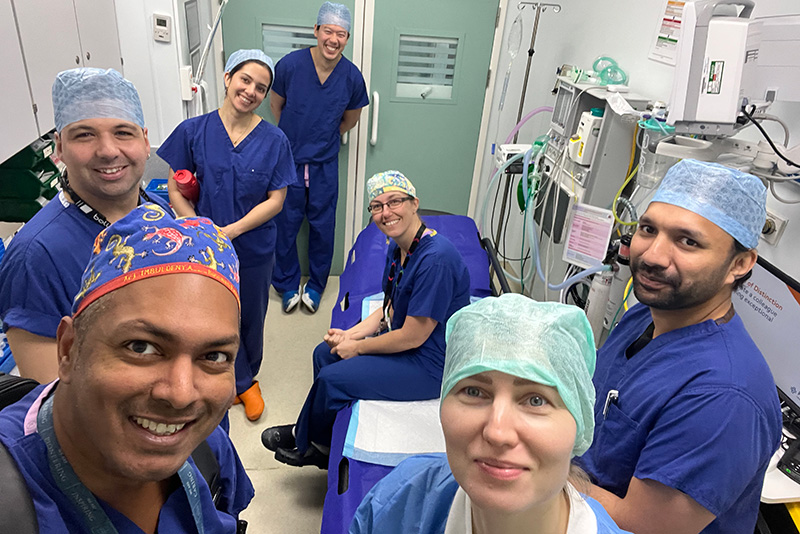
At OrthoLongevity, we deliver care built on innovation, compassion and clinical excellence. Led by Dr Arj Imbuldeniya, our clinic uses advanced therapies within our holistic Ortholongevity™ approach to help patients regain mobility and improve their quality of life. With access to the latest technologies and a dedicated, compassionate team, we focus on finding the right treatment for every individual.
Kneecap Instability Feedback
Experiences of Restoring Knee Stability
Doctify-verified reviews from patients treated for kneecap instability and recurrent dislocation under the care of Dr Arj Imbuldeniya at OrthoLongevity.