

Request an appointment
Reserve your spot with our team in just minutes.
Other Knee Treatments
Anterior Knee Pain Treatment in London
Comprehensive Care for Patellofemoral Pain Syndrome
Anterior knee pain — also known as patellofemoral pain syndrome (PFPS) — is one of the most common causes of discomfort at the front of the knee. It can affect athletes and non-athletes alike, making everyday movements like climbing stairs, kneeling, or standing from a chair painful and limiting. At The West London Knee and Hip Clinic, we provide evidence-based, personalised treatment to relieve pain, restore movement, and prevent recurrence.
Understanding Anterior Knee Pain
Anterior knee pain refers to pain around or behind the kneecap (patella), often due to irritation between the patella and the femur (thigh bone). This condition is sometimes called chondromalacia patellae, meaning softening or wear of the cartilage beneath the kneecap.
It can develop through overuse, muscle imbalance, injury, or altered biomechanics of the leg. The kneecap may click, grind, or grate — sometimes painlessly, but often with tenderness, swelling, or a dull ache.
Although common, anterior knee pain can significantly affect quality of life if left untreated. Early diagnosis and targeted treatment are key to avoiding long-term damage.
Common Symptoms of Anterior Knee Pain
Typical symptoms include:
- Discomfort or tenderness around the kneecap
- Pain when climbing stairs, kneeling, or rising from sitting
- A grinding or popping sensation in the joint
- Swelling or inflammation around the patellofemoral joint
These symptoms can worsen with physical activity or prolonged sitting with bent knees. Identifying the cause early helps prevent further cartilage or tendon irritation.
Benefits of Early Treatment for Anterior Knee Pain
-
Pain relief Targeted physiotherapy and pain management reduce discomfort and inflammation.
-
Improved mobility Strengthening key muscle groups restores knee tracking and stability.
-
Prevention of future injury Correcting biomechanical imbalances helps avoid recurrence.
-
Non-surgical recovery Most cases are treated successfully with rehabilitation and exercise.
-
Enhanced quality of life Reduced pain enables a return to sport and daily activity.
A Targeted, Non-Surgical Approach to Knee Pain
Our approach to private anterior knee pain treatment in London focuses on identifying the root cause — not just managing symptoms. Under the expert guidance of Consultant Orthopaedic Surgeon Dr Arjuna Imbuldeniya, we use physiotherapy, strength conditioning, and where necessary, image-guided injections to achieve lasting relief and prevent long-term joint degeneration.
Key Information About Patellofemoral Pain Syndrome Treatment
Diagnosis begins with a thorough clinical examination to assess kneecap position, muscle strength, and movement patterns. Imaging such as X-ray or MRI may be used to rule out arthritis, tendonitis, or cartilage injury.
Treatment focuses on restoring patellar alignment and improving muscle balance. This may include physiotherapy, exercise rehabilitation, taping techniques, and orthotic support.
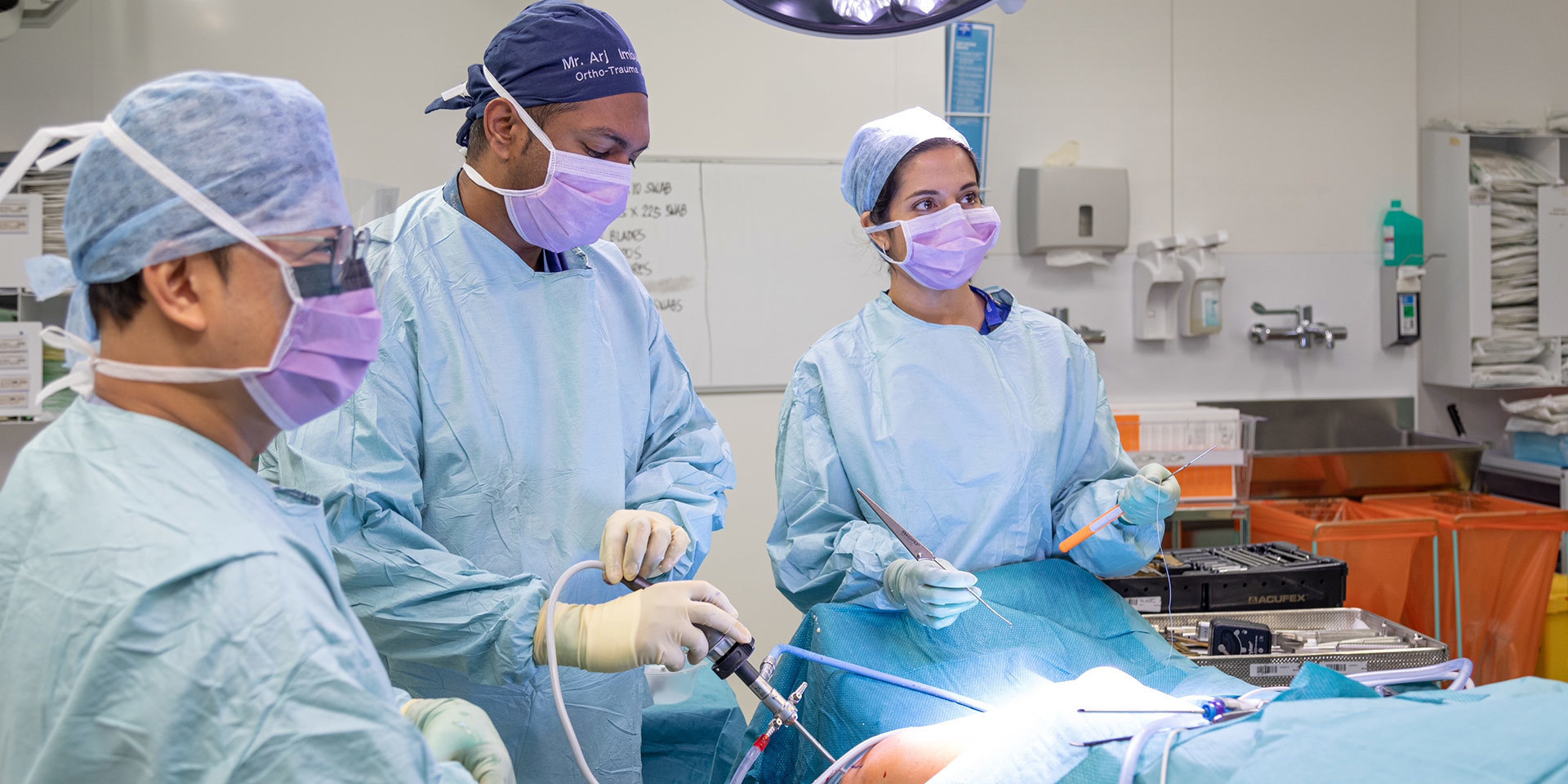
For persistent symptoms, advanced options such as guided tendon injections or, in rare cases, keyhole surgery may be recommended to address underlying structural causes.
If your knee pain has lasted more than a few weeks, interferes with movement, or causes grinding and swelling, you should seek professional assessment to prevent worsening of the condition.
Potential Causes and Risk Factors
Anterior knee pain often stems from a combination of overuse and imbalance in the surrounding muscles — particularly the quadriceps, hamstrings, gluteals, and calf muscles. Flat feet, poor footwear, or misalignment of the kneecap can also contribute.
It is especially common among runners, cyclists, and those engaged in repetitive knee-bending activities, but can occur in anyone. Early management with physiotherapy can prevent chronic pain and future cartilage wear.
What to Expect from Your Private Anterior Knee Pain Treatment in London
Every stage of your treatment is designed for safety, precision, and comfort.
-
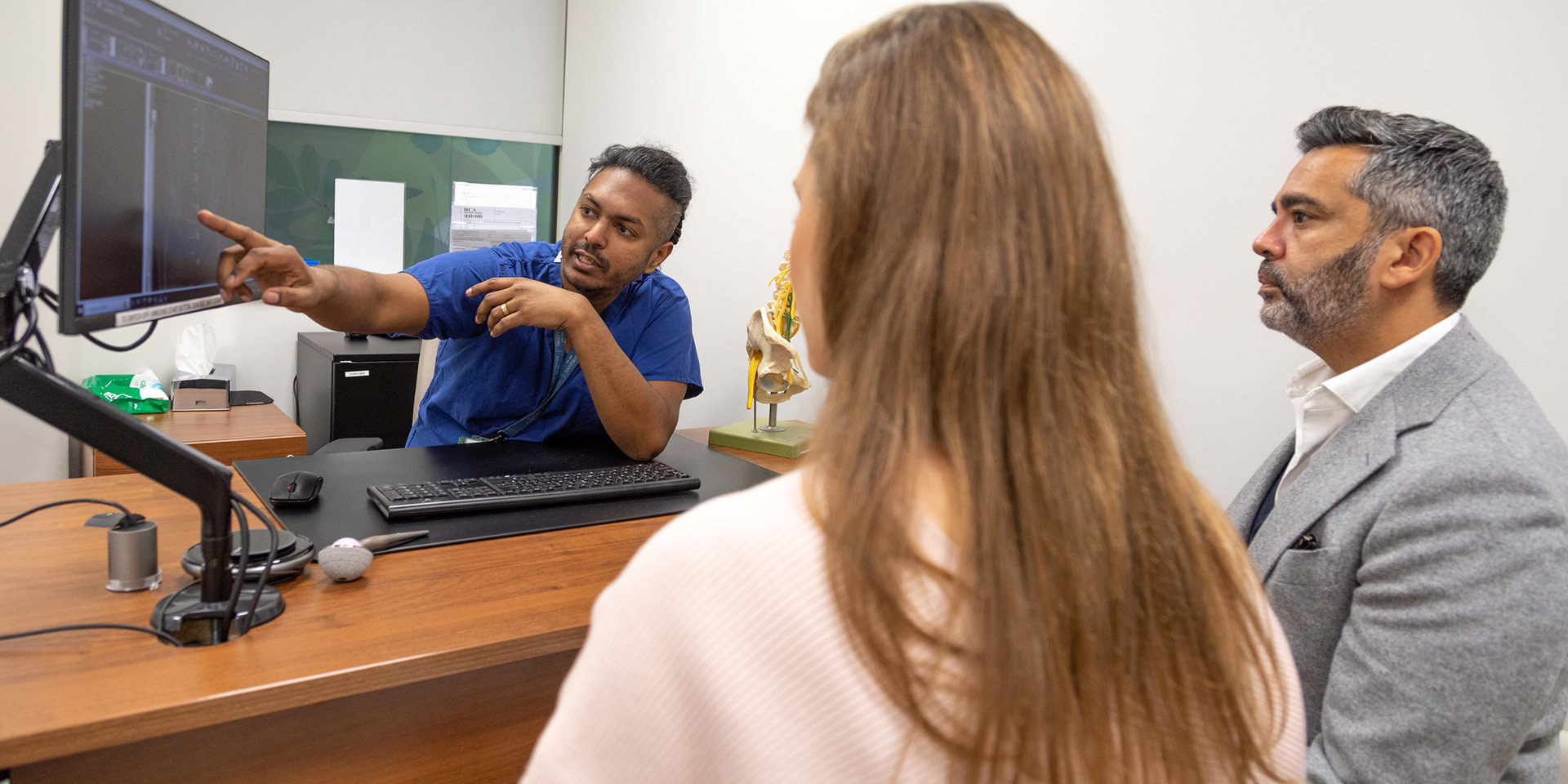
Initial Consultation Your journey begins with a full assessment by Dr Arjuna Imbuldeniya or a member of his multidisciplinary team. They will review your medical history, assess biomechanics, and recommend imaging if required. -

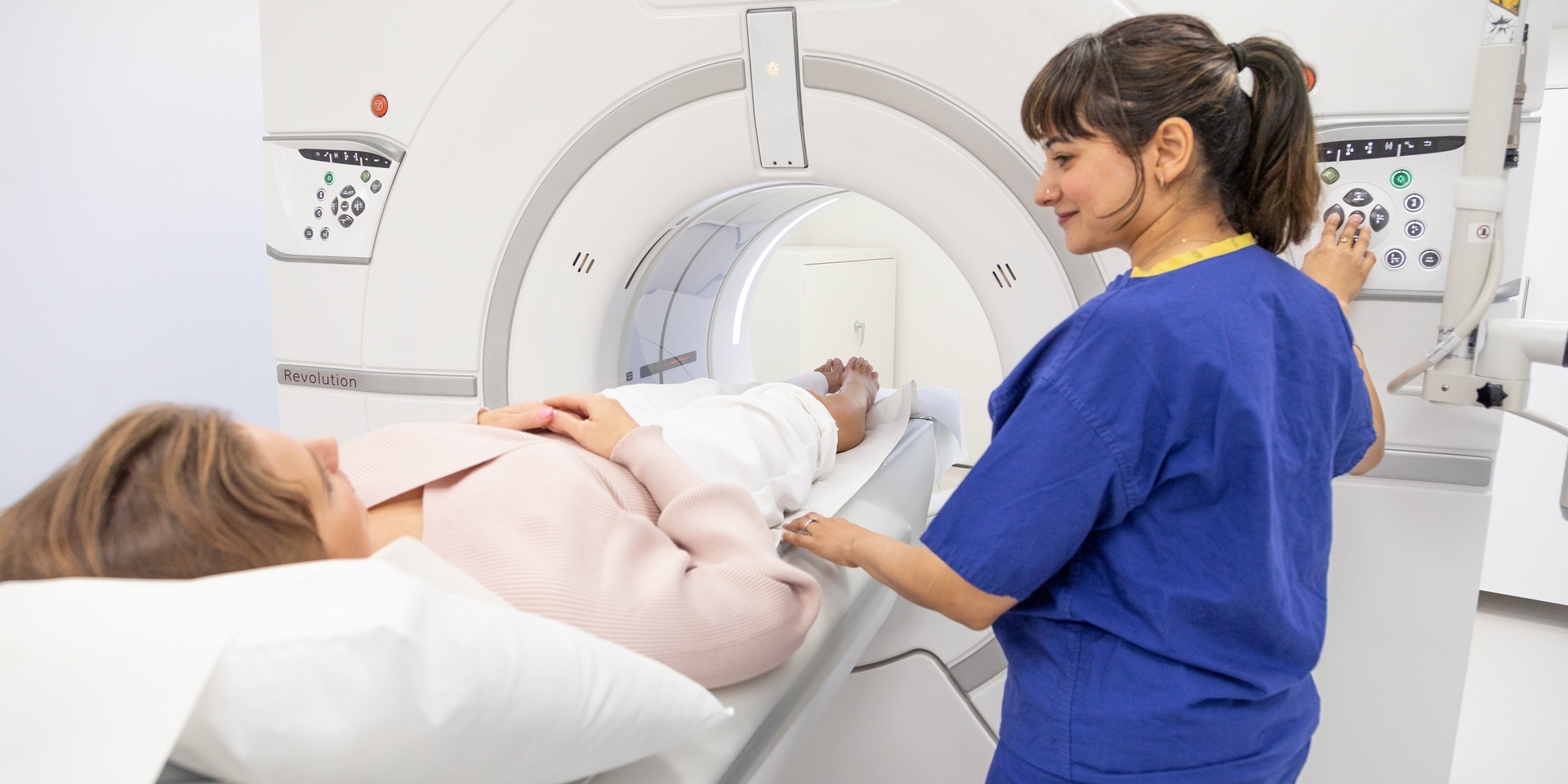
Tests and Assessment Imaging such as X-rays or MRI scans may be performed to evaluate cartilage condition and rule out arthritis or meniscus damage. Gait and alignment assessments are often included to pinpoint muscle or tracking issues. -

The Procedure Most cases are treated non-surgically with physiotherapy, stretching and strengthening exercises, and pain management strategies. If symptoms persist, advanced interventions such as PRP injections or arthroscopic realignment procedures can be considered.

Patient stories
Real feedback from our patients
Hear from our patients about their experiences and how our physiotherapy care helped them regain their health.
Back to running
I love this doctor! He made me recover from my knee pain.
He is also caring and very kind!
Ms Malpica
Knee recovery
I have had a problem with knee pain and was referred to Dr Imbuldeniya. I was very satisfied with both the initial consulation and the follow-up
Vanesa Malpica
Frequently Asked Questions
Many patients considering robotic-assisted surgery want to understand what to expect before treatment. Here are some of the most common questions we’re asked in clinic:
Mild cases may improve with rest and physiotherapy, but persistent pain should always be assessed by a specialist.
Low-impact activities like swimming or cycling are usually safe. Your physiotherapist will guide appropriate exercise modifications.
While both cause discomfort, patellofemoral pain syndrome typically affects the kneecap’s movement, not the whole joint. Arthritis involves cartilage loss throughout the knee.
Surgery is rarely required, but in severe cases involving structural abnormalities or cartilage damage, minimally invasive keyhole procedures can help.
Why Choose The West London Knee and Hip Clinic?
At The West London Knee and Hip Clinic, we take a holistic, patient-focused approach to managing knee pain. Led by Mr Arjuna Imbuldeniya, our clinic brings together expertise in orthopaedics, physiotherapy, and sports medicine to provide comprehensive care tailored to each individual.
Patient Reviews
What Our Patients Say
Independent feedback from patients treated for running-related knee pain at The West London Knee & Hip Clinic.