
Request an appointment
Reserve your spot with our team in just minutes.
Other Knee Treatments
Kneecap Pain, Clicking & Instability Treatment in London
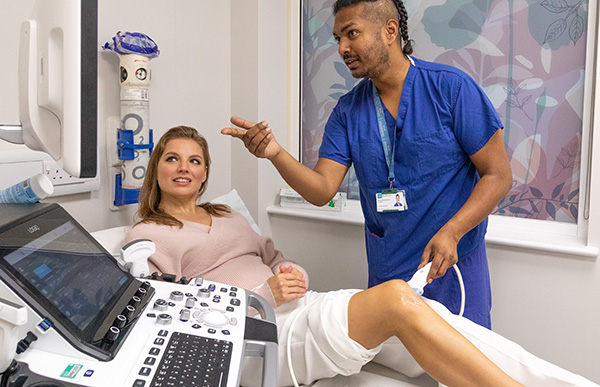
Dr Arj Imbuldeniya, Consultant Orthopaedic Knee and Hip Surgeon, assesses and treats the full range of patellofemoral problems: pain at the front of the knee, clicking and grinding, kneecap subluxation and dislocation, and trochlear dysplasia. Most patients never need an operation; those who do get modern, precisely planned surgery at the right time.
The most dismissed pain in the knee
Kneecap pain is the pain patients apologise for. It rarely shows on an X-ray, it comes and goes, and many people have been told, sometimes for years, that nothing is wrong. Yet it is real, it is common, and it quietly takes things away: stairs, running, kneeling on the floor with your children. The front of the knee is where I see more untreated, undertreated and mistreated problems than anywhere else in the joint, in both directions: people offered surgery they never needed, and people left to struggle when a precise diagnosis would have changed everything.
What is patellofemoral pain?
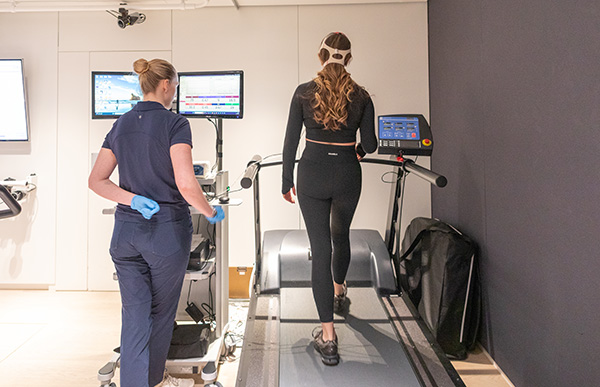
The kneecap runs in a groove on the front of the thigh bone, loaded with several times your body weight every time you climb a stair. Patellofemoral pain arises when that loading goes wrong: the kneecap tracking slightly off line, the tissues around it becoming irritated, or the cartilage behind it starting to complain. The cause is rarely one thing. It is the combination of your anatomy, your strength, your training and your life, which is why the plan has to be built for you rather than copied from a protocol.
Knee clicking, grinding and creaking: when it matters
Most clicking is innocent. Joints are wet machines and they make noise, and a creaking knee that does not hurt, swell or give way almost never needs treatment. The noises that matter are the ones with company: pain behind the kneecap, swelling after activity, or the sense of something catching or shifting. Those symptoms deserve a proper examination and, where needed, the right imaging, because the earlier a tracking or cartilage problem is understood, the more can be done about it without an operation.
At a Glance
Kneecap dislocation and subluxation
A dislocating kneecap is frightening, painful, and more consequential than it is often treated as, because cartilage can be damaged each time it happens. A first dislocation needs assessment and imaging, and usually settles with structured rehabilitation. Recurrent instability is different: each episode raises the chance of the next, and the right response depends on why your kneecap dislocates, your ligaments, your alignment, the shape of your groove, not just the fact that it does. You can read the detail of how I assess and treat a dislocating or unstable kneecap, from rehabilitation to stabilising surgery, on the dedicated patellar instability treatment page.
Trochlear dysplasia: when the groove is the problem
In some knees the groove the kneecap runs in is shallow or misshapen from the start. That is trochlear dysplasia, and it explains why some people dislocate a kneecap stepping off a kerb while others never will in a lifetime of sport. If your kneecap problems keep returning despite good rehabilitation, the shape of your anatomy needs to be part of the conversation, and that assessment is exactly what a specialist opinion is for.
Treatment without surgery
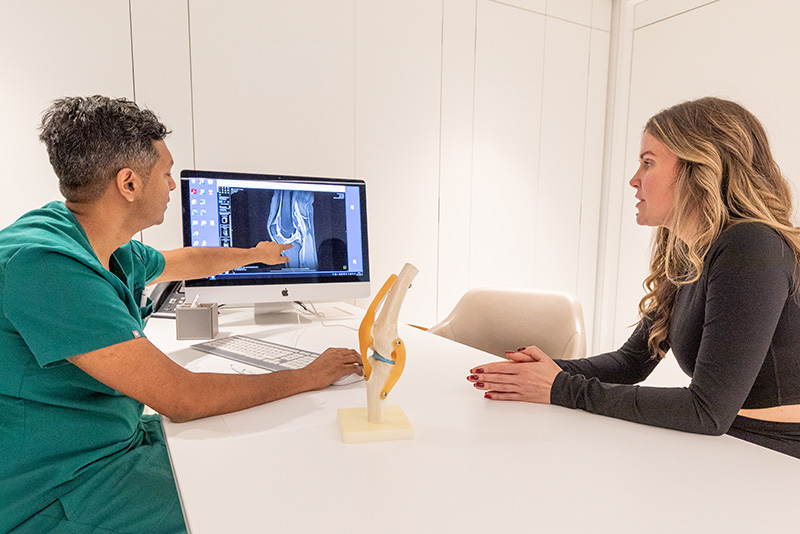
Most patellofemoral problems respond to biology and mechanics done properly: building strength around the hip and knee, correcting how the leg loads, managing training, and treating irritated tissue where needed. It is unglamorous and it works. You can read more about the foundations on the anterior knee pain and strength and nutrition pages, and this is always where we start unless there is a clear structural reason not to.
When surgery is the right answer
Some kneecaps need an operation: the recurrently dislocating knee whose anatomy will not be rehabilitated into stability, the cartilage injury that keeps flaring, or the isolated kneecap arthritis that has genuinely run out of road, where a precisely planned partial resurfacing can transform life. When surgery is right I say so plainly and do it properly. When it is not, I will protect you from it.
Start with your knee's biological age
If you are unsure where your knee sits on this spectrum, here is the practical place to start. The Knee Age quiz takes sixty seconds, scores the factors that drive knee ageing, and tells you your knee's biological age against the age on your passport. It costs nothing, and it turns a vague worry into something you can act on.
Frequently Asked Questions
Painless clicking is usually soft tissue moving normally over the joint and is rarely anything to fear. Clicking or grinding that comes with pain, swelling or a feeling of the kneecap catching deserves proper assessment, because it can point to a tracking or cartilage problem that is very treatable when caught early.
A first dislocation needs proper assessment and imaging, because the injury can damage cartilage as the kneecap comes out and goes back in. Many settle well with structured rehabilitation; some knees, particularly where the anatomy makes dislocation easy, need more than that.
Usually, yes. Most patellofemoral pain responds to a properly built programme of strength work around the hip and knee, load management and, where needed, targeted treatment of the irritated tissue. Surgery is for the specific minority whose anatomy or instability demands it.
It means the groove the kneecap runs in is shallower than it should be, so the kneecap has less to hold it. It is a common finding behind recurrent dislocation, and knowing whether you have it, and how severe it is, changes the right treatment plan entirely.
Book a consultation and bring any imaging you have. I will examine how your kneecap moves and loads, arrange the right scans where needed, and give you an honest plan. Call 0207 859 4016 or email admin@ortholongevity.co.uk.
Why Choose OrthoLongevity?
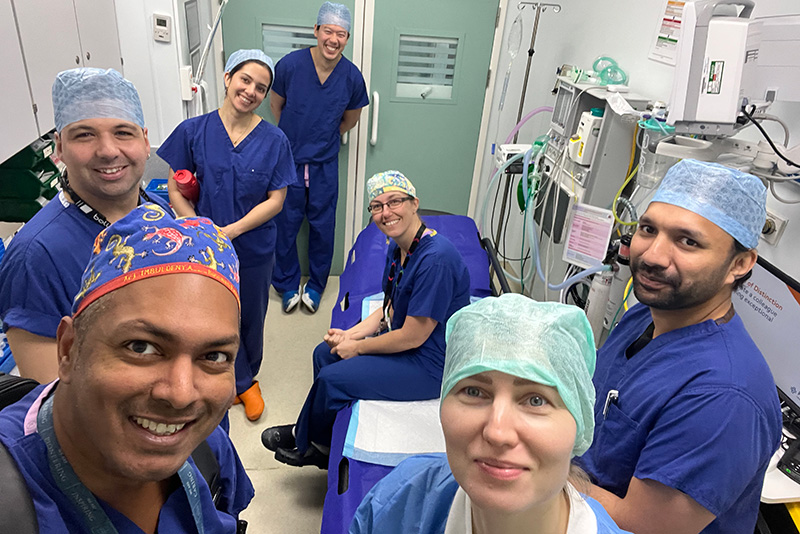
At OrthoLongevity, we deliver care built on innovation, compassion and clinical excellence. Led by Dr Arj Imbuldeniya, our clinic uses advanced therapies within our holistic Ortholongevity™ approach to help patients regain mobility and improve their quality of life. With access to the latest technologies and a dedicated, compassionate team, we focus on finding the right treatment for every individual.
Patient Reviews
What Our Patients Say
Verified Doctify reviews from patients treated by Dr Arj Imbuldeniya at OrthoLongevity.