
What Is a Pre-Assessment Clinic?
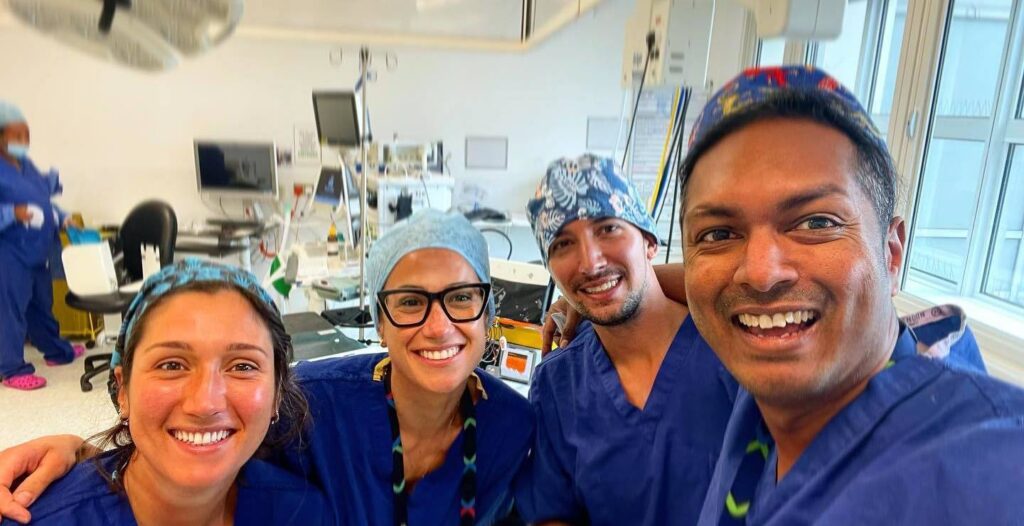
Enhancing Patient Safety: The Significance of Pre-Assessment Clinics in Modern Healthcare
In the realm of modern healthcare, pre-assessment clinics play a pivotal role in optimising patient outcomes before undergoing medical procedures. These clinics, run by the pre-assessment teams at the hospitals where Dr Arj operates, are specially designed to gather essential information about a patient’s medical history, conduct thorough assessments, and perform necessary tests prior to any surgical or medical intervention.
What is a Pre-Assessment Clinic?
A pre-assessment clinic is a dedicated medical clinic within a larger healthcare institution that is solely responsible for evaluating patients’ health status before they undergo surgery or other significant medical procedures. It serves as a preparatory phase, where patients are thoroughly screened and examined to identify any potential risks or complications that may arise during the intended intervention. The primary objective is to ensure the patient is in the best possible condition before undergoing the procedure, mitigating any avoidable complications, and maximising the chances of a successful outcome.
Hospital Pre-Assessment: Prioritising Patient Safety
For OrthoLongevity patients, pre-assessment is carried out by the hospital’s pre-assessment team of healthcare professionals, including nurses, physicians, anaesthetists, and other specialists. They work collaboratively to gather and review pertinent patient information. The process begins with a thorough review of the patient’s medical history, including any chronic illnesses, allergies, or past surgeries. This comprehensive evaluation helps the team tailor the upcoming procedure to suit the patient’s specific needs and health status.
The Pre-Assessment Process: Thorough and Meticulous
The hospital pre-assessment team works with a thorough and meticulous approach, leaving no stone unturned in evaluating a patient’s suitability for surgery. Every patient undergoes a series of essential evaluations and examinations, ensuring they are well-prepared for their upcoming procedure.
Comprehensive Medical History Review
The journey begins with a comprehensive medical history review. Patients are encouraged to provide detailed information about their health background, including past surgeries, allergies, chronic illnesses, and current medications. This valuable information forms the basis of the pre-assessment process, allowing the medical team to tailor the upcoming surgery to suit the individual patient’s specific needs and health status.
Vital Health Metrics Assessment
During the pre-assessment, vital health metrics are diligently assessed to gain a holistic understanding of the patient’s current well-being. Blood pressure, pulse rate, height, weight, and temperature are measured to ascertain the patient’s overall health condition. This critical data assists the medical team in identifying any potential health concerns that need further attention.
Comprehensive Physical Examination
A comprehensive physical examination is conducted by the hospital’s skilled healthcare professionals. This examination enables the team to identify any signs of infection, inflammation, or other medical issues that might need further investigation. The thorough physical examination is a crucial step in assessing the patient’s fitness for the proposed surgical procedure.
MRSA and Covid Swabs for Infection Control
Infection control is taken very seriously. As part of the pre-assessment process, patients have MRSA swabs, and other swabs such as Covid where the hospital requires them. These tests help detect any presence of Methicillin-Resistant Staphylococcus Aureus (MRSA) before proceeding with the surgery. Stringent infection control measures prioritise patient safety at every stage of their surgical journey.
Additional Tests and Scans as Needed
Depending on the individual patient’s medical history and specific requirements, some may need additional tests to ensure their safety during surgery. These additional tests may include blood tests, Electrocardiograms (ECG), chest X-rays, or other scans. The results from these tests provide vital insights, enabling the medical team to make well-informed decisions and tailor the surgical approach accordingly.
A Personalised Approach to Patient Care
OrthoLongevity firmly believes in delivering patient-centred care. Each patient is unique, and their healthcare needs should be treated with utmost individuality. By conducting a comprehensive pre-assessment, the medical team can create personalised treatment plans, ensuring that patients are optimally prepared for their surgery.
Mitigating Risks and Enhancing Patient Safety
The overarching goal of pre-assessment clinics is to mitigate potential risks and complications associated with medical procedures. By identifying and addressing any underlying health issues before the intervention, healthcare providers can significantly reduce the likelihood of adverse outcomes. Moreover, patients with chronic conditions or complex medical histories can be better prepared, allowing the medical team to develop appropriate contingency plans.
Pre-assessment clinics play a central role in prioritising patient safety and enhancing surgical outcomes.
By adhering to a meticulous and thorough evaluation process, including medical history reviews, vital health metrics assessments, physical examinations, MRSA screening and additional tests as required, pre-assessment helps ensure that each patient is in the best possible condition before undergoing surgery.
With a commitment to patient-centred care and infection control, OrthoLongevity aims to make every patient’s surgical journey as safe as possible.

Dr Arj Imbuldeniya is a Consultant Orthopaedic Knee and Hip Surgeon with over 25 years of clinical experience and the founder of OrthoLongevity™ — a surgeon-led approach to joint health that integrates orthopaedic precision with longevity medicine.
Trained at St Bartholomew's and The Royal London Hospital Medical School, he completed specialist fellowship training in Sydney, Barcelona, and Munich. He is a Fellow of the Royal College of Surgeons of England and holds a Masters in Global Health Policy from Imperial College London. He was appointed NHS Consultant at Chelsea and Westminster NHS Foundation Trust in 2015.
Over the last two years, 8 in 10 of the patients he saw did not go on to surgery — not by chance, but through accurate diagnosis, biological optimisation, and a structured pathway that addresses the root cause of joint decline rather than its symptoms. For those who need surgery, it is performed on a patient who has been biologically prepared for it.
He consults privately at Lanserhof at The Arts Club in Mayfair and across leading London hospitals.