
Request an appointment
Reserve your spot with our team in just minutes.
Other Knee Treatments
Private ACL Surgery in London
ACL reconstruction in London with Dr Arj Imbuldeniya, consultant knee surgeon with a specialist interest in female ACL and revision ACL surgery. He plans graft choice, fixation and rehabilitation around the individual knee rather than a single template, using large-diameter grafts, internal brace augmentation and lateral tenodesis where indicated to build a knee that stays stable through a lifetime of sport.
Free 60-second assessment
How old are your knees?
Your knees have a biological age, and it is often not the age on your passport. Of the people who have taken this test, 55 per cent found their knees were older than they are, and one in eight by ten years or more. Sixty seconds, free, and you get one number and the single change that would take the most years off it.
Find my Knee Age, free →Restoring Strength, Stability and Confidence After ACL Injury
An anterior cruciate ligament (ACL) injury can be life-changing, affecting your movement, balance and quality of life. At OrthoLongevity, we specialise in accurate diagnosis and advanced ACL repair and reconstruction surgery, helping patients recover stability, rebuild strength and safely return to sport.
What Is the Treatment?
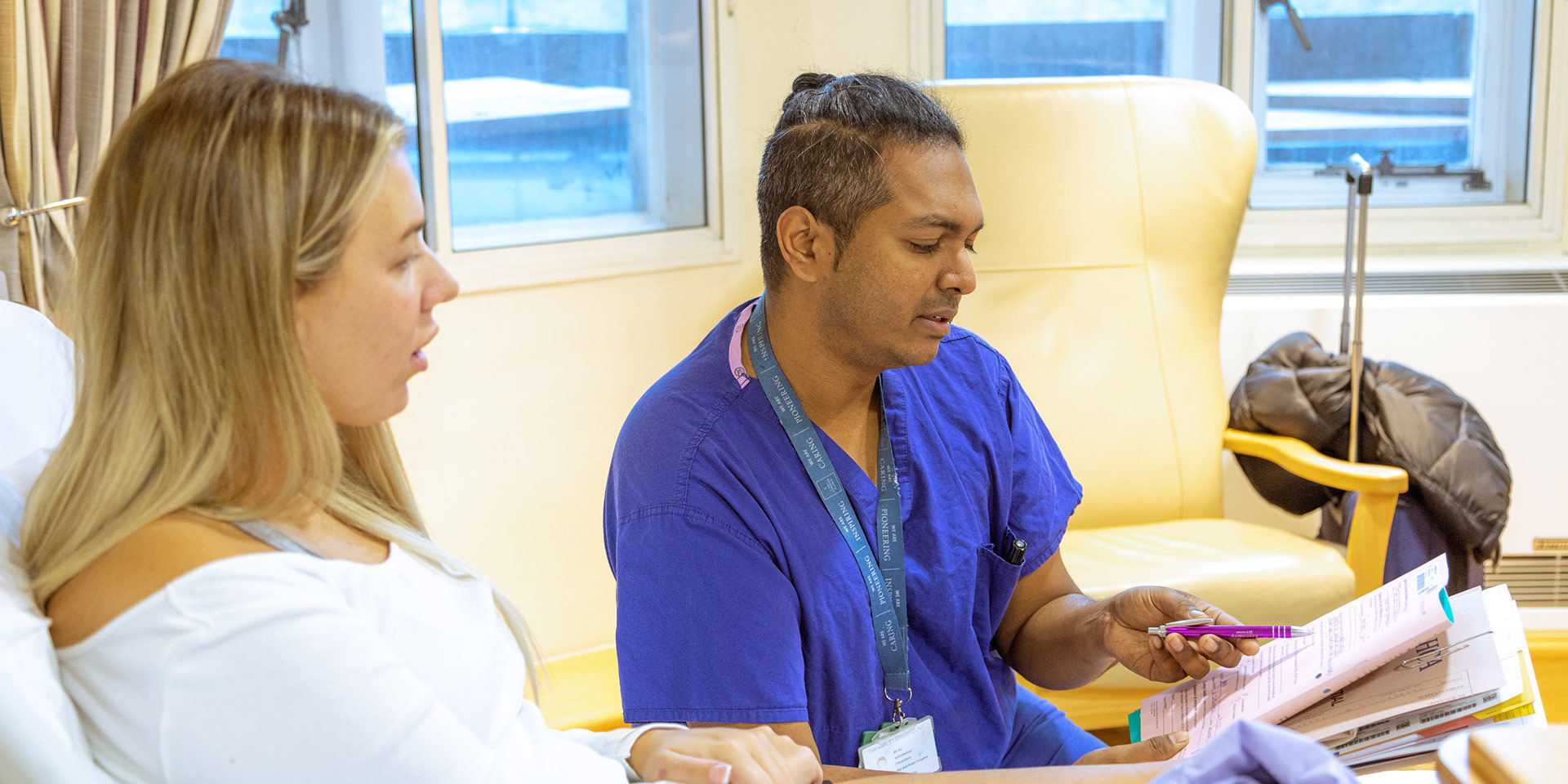
ACL injury treatment is tailored to the individual, based on symptoms, activity level, and stability of the knee. Some patients can recover with structured physiotherapy focused on strength and control. Where instability persists, ACL reconstruction surgery may be recommended to restore knee stability and protect the joint from further damage.
All treatment decisions are made following careful assessment and discussion, with the aim of restoring confidence, function, and long-term knee health.
Understanding ACL Injuries
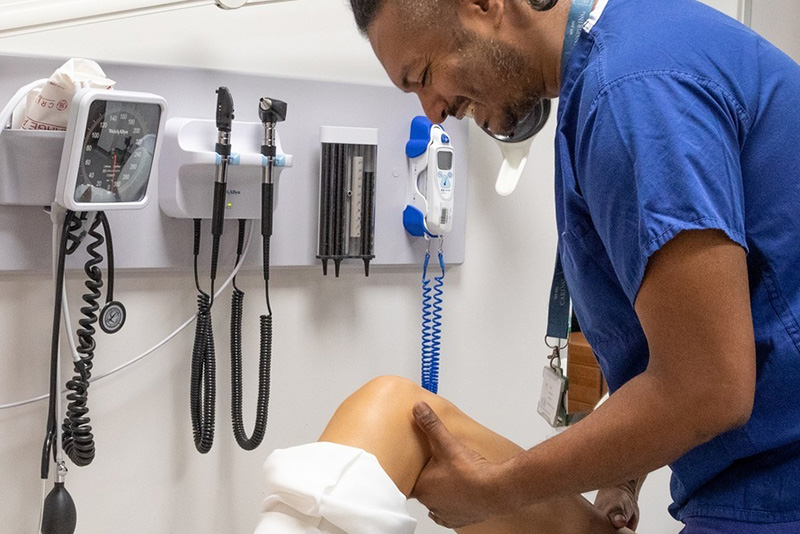
The ACL is one of the four main ligaments that stabilise the knee, connecting the femur (thigh bone) to the tibia (shin bone) and preventing the shin from moving too far forward. ACL tears typically occur during sport or activity involving sudden stops, twists, or changes of direction.
Most ACL injuries are non-contact, often causing a distinct popping sound, immediate swelling, and instability. The knee may feel as if it will “give way,” especially when turning, descending stairs, or running.
Women are statistically more prone to ACL tears than men due to differences in knee anatomy and biomechanics, making specialist experience in female athlete care particularly important.
What Causes an ACL Tear?
ACL injuries most often occur during:
- Rapid pivots, twists or sudden stops
- Landing awkwardly after a jump
- Direct impact to the knee (e.g. football or rugby tackles)
- Poor landing mechanics or uneven ground
The severity can range from minor sprains to complete ruptures. While some partial tears can heal with physiotherapy, a complete ACL tear often requires surgical reconstruction to restore knee function and prevent long-term instability.
Why This Approach Is Used
Benefits of ACL Reconstruction Surgery
-
Restores stability Rebuilds the knee’s internal support for normal function and activity.
-
Reduces pain and instability Prevents the knee from “giving way.”
-
Protects long-term joint health Reduces risk of further cartilage or meniscus damage.
-
Improves confidence and mobility Enables safe return to sport and physical activity.
-
Personalised care Surgery and rehab tailored to each patient’s sport, lifestyle and goals.
A Specialist Approach to ACL Treatment
At OrthoLongevity, ACL injuries are treated using the latest evidence-based techniques, from rehabilitation-led care to complex reconstructions. Under the expert guidance of Consultant Orthopaedic Surgeon Dr Arj Imbuldeniya, patients benefit from a comprehensive, multidisciplinary pathway, from diagnosis through recovery, designed to achieve long-term knee health and performance.
Female ACL reconstruction
Women are statistically more prone to ACL injury than men, and the reasons are anatomical, hormonal and neuromuscular rather than a matter of training alone. Despite this, most ACL surgery is planned exactly the same way for every patient. My practice takes the opposite view. Female ACL reconstruction is a distinct clinical problem, and I plan graft choice, fixation and rehabilitation around the specific demands of the female knee. In practice that means a large-diameter graft, typically 9 to 10mm, taken from a single hamstring tendon, ideally the gracilis so the semitendinosus is preserved, where the femoral notch can accommodate it. The reconstruction is supported by internal brace augmentation and a lateral extra-articular tenodesis of the Ellison type to protect the graft while it matures. Where limb alignment is contributing to instability I correct it, although alignment surgery is normally reserved for the revision cases I see as second or third opinions. The aim is not simply a stable knee at six months, but a knee that stays stable through a lifetime of sport.
Revision ACL surgery
Some patients come to me after an ACL reconstruction that has failed: a re-rupture, a stretched graft, or a knee that never felt trusted again. Revision ACL surgery is more complex than first-time reconstruction. Tunnel position, bone stock and the cause of the original failure all have to be understood before any decision is made, which is why revision cases begin with detailed imaging and an honest conversation about what went wrong the first time. I take on revision ACL work regularly, and the first consultation is always about diagnosis before it is about surgery.
Key Information About Private ACL Reconstruction Surgery in London
ACL reconstruction replaces the torn ligament with a graft made from either your own tissue (autograft) or donor tissue (allograft). Common options include hamstring tendons, quadriceps tendon, or patellar tendon. The graft is fixed in place using surgical screws, strong cords, or suspensory buttons under precise tension to restore stability.
The operation is performed under general or spinal anaesthetic. Using minimally invasive arthroscopic (keyhole) techniques, the damaged ACL is removed and the new graft is positioned accurately inside the knee joint. The surgeon inspects the joint in high-definition 4K and can repair other structures, such as meniscus tears, at the same time.
Most patients walk comfortably after 2 weeks, begin jogging after 3 months, and return to pivoting or high-impact sport after 12 months, once the graft has matured through a process known as ligamentisation.
In some cases of partial tears or low-demand activity, non-surgical management with physiotherapy, bracing, and strength training may be appropriate. Your consultant will help determine the best route for you.
Risks and Potential Complications
ACL reconstruction is a safe and well-established operation, but, as with all surgery, carries small risks (around 1 in 100). These can include infection, swelling, stiffness, blood clots (DVT), graft failure, or temporary numbness around the incision site.
All risks are carefully discussed before surgery to help you make an informed decision. At OrthoLongevity, we maintain rigorous infection control, use advanced graft fixation systems, and provide structured rehabilitation to minimise complications.
What to Expect from Your Private ACL Surgery in London
Every stage of your treatment is designed for safety, precision, and comfort.
-
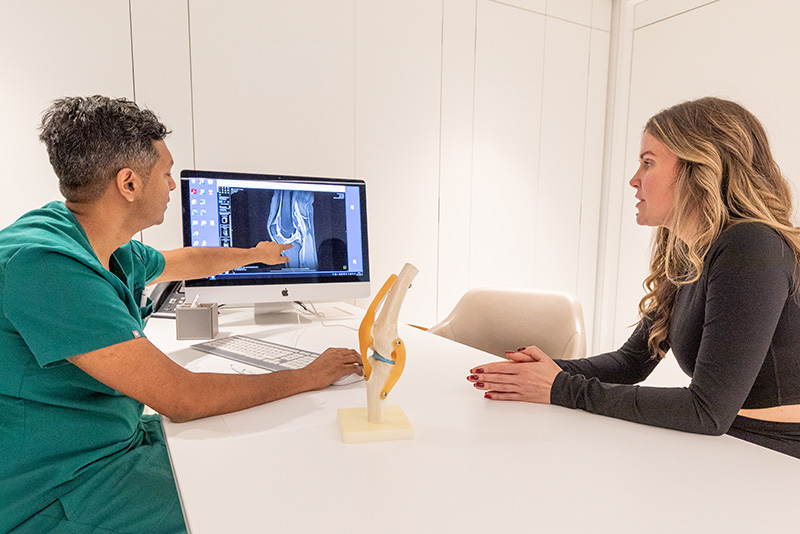
 Initial Consultation Your assessment with Dr Arj Imbuldeniya includes a detailed clinical exam, imaging review (MRI, X-ray), and discussion of your activity goals. If surgery is required, graft type and fixation method will be explained, and a rehabilitation plan agreed with your physiotherapist.
 -
 Tests and Assessment Preoperative assessment ensures safety and readiness for anaesthetic. Imaging confirms the extent of the ACL injury and identifies any associated meniscus or cartilage damage.
 -
 The Procedure Surgery is performed arthroscopically using small incisions around the knee. The torn ligament is removed, the graft harvested and secured, and the new ACL anchored precisely in place. The operation lasts around 1 to 2 hours, and most patients return home the same day.
Patient stories
Real feedback from our patients
Verified reviews from patients treated for knee instability and ACL injuries.

ACL reconstruction success
I had the best experience with Mr. Imbuldeniya for my ACL reconstruction surgery.
Cassandra Jones
ACL surgery recovery
Really cannot recommend Arj enough. He operated on my knee in 2023, performing an ACL reconstruction.
Abhinand Sundaram
Book Your Consultation
If you’ve suffered an ACL tear or instability and want to explore options for ACL reconstruction surgery in London, book a consultation with Dr Arj Imbuldeniya at OrthoLongevity. Our specialist team will guide you through diagnosis, treatment and rehabilitation to help you return to sport, stronger, more stable and pain-free.
Frequently Asked Questions
Many patients considering robotic-assisted surgery want to understand what to expect before treatment. Here are some of the most common questions we’re asked in clinic:
Physiotherapy typically begins within a few days to restore motion and control swelling. Strength and stability exercises are added gradually under professional supervision.
Yes, in many cases, a knee brace is worn in early recovery, especially if other repairs (e.g. meniscus) were performed. Your surgeon and physiotherapist will advise on duration.
Most patients achieve excellent outcomes, returning to normal activity and sport with proper rehab. Consistent physiotherapy and adherence to your programme are key.
Success rates exceed 90% for restoring stability and returning to activity when performed by experienced surgeons using modern techniques.
Why Choose OrthoLongevity?
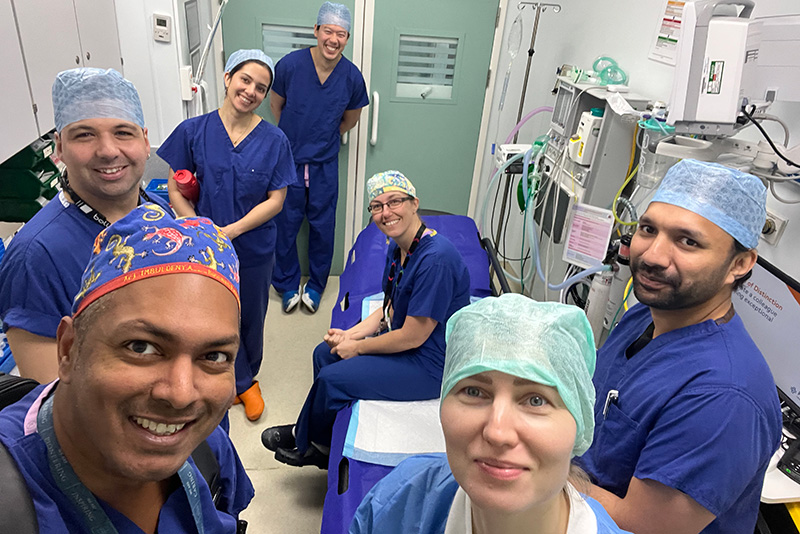
At OrthoLongevity, we deliver care built on innovation, compassion and clinical excellence. Led by Dr Arj Imbuldeniya, our clinic uses advanced therapies within our holistic Ortholongevity™ approach to help patients regain mobility and improve their quality of life. With access to the latest technologies and a dedicated, compassionate team, we focus on finding the right treatment for every individual.
Patient Experience
ACL Treatment Under Specialist Care
Independent Doctify reviews reflecting consultant-led assessment, treatment and rehabilitation for ACL injuries.